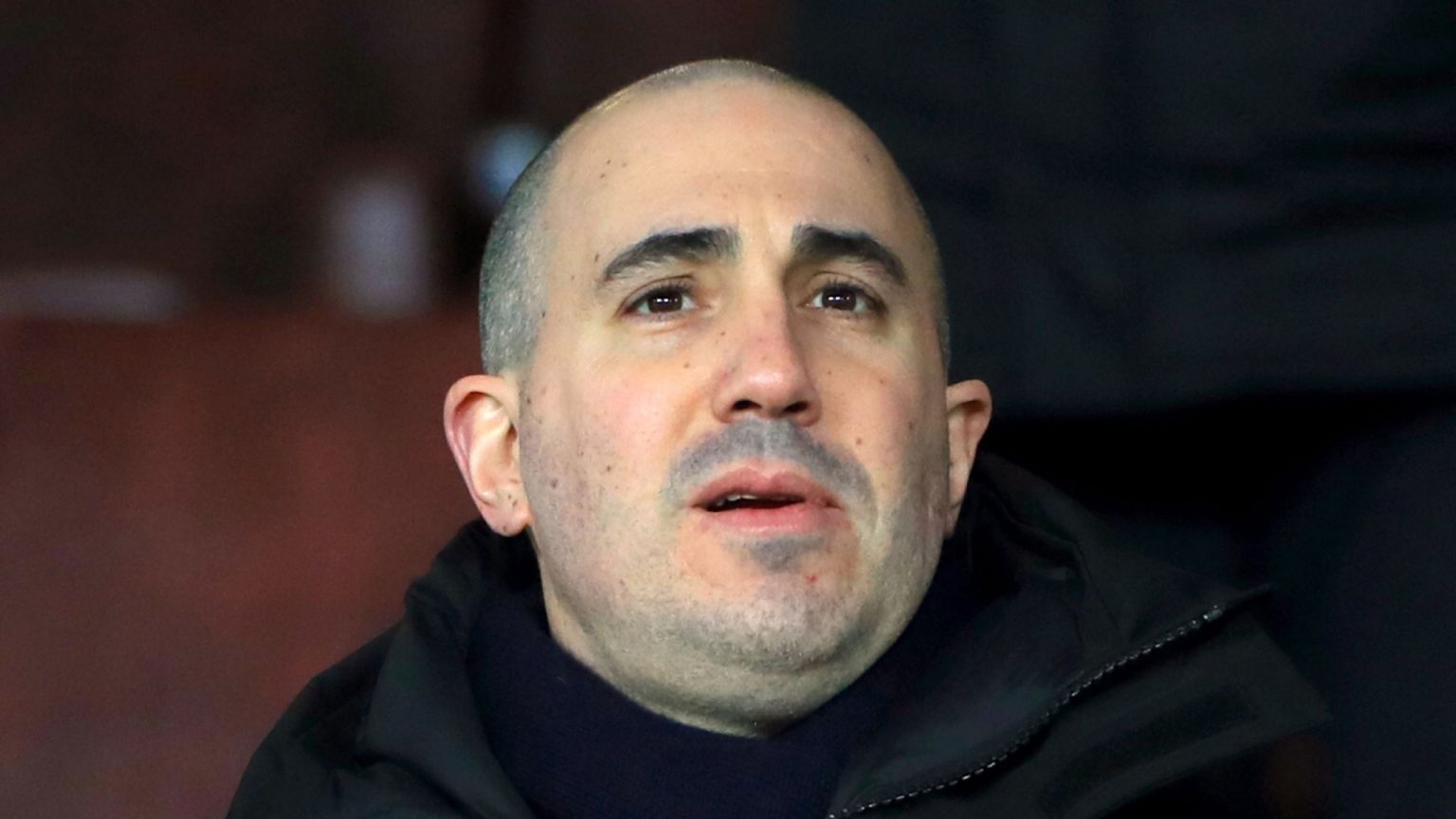
Chief executive Omar Berrada says the financial benefits of Manchester United’s off-pitch restructuring are beginning to show, after the club posted a £32.6 million operating profit for the six months ending 31 December 2025.
The result marks a significant turnaround from the £3.9 million loss recorded during the same period a year earlier, reflecting the impact of sweeping cost-cutting measures introduced under the new leadership structure.
However, despite the improved profitability, United’s overall debt burden has surged to £1.29 billion. During the reporting period, the club drew down an additional £25 million from its revolving credit facility, bringing the total to £295.7 million.
Combined with legacy debt stemming from the Glazer family’s takeover and over £500 million in additional liabilities — largely unpaid transfer fees — the club’s financial obligations remain substantial.
Net finance costs fell sharply to £13.9 million, down from £37.6 million the previous year, offering some relief amid the heavy debt load.
In August 2025, respected football finance analyst Swiss Ramble ranked both Everton and Tottenham Hotspur above United in his debt league table, although both clubs borrowed heavily to finance new stadium projects.
United are yet to clarify how they intend to fund their proposed new stadium, expected to cost more than £2 billion — a figure that underlines the importance of returning to the UEFA Champions League after a two-year absence.
Total revenue for the six-month period stood at £190.3 million. Commercial revenue dipped 8 per cent year-on-year to £78.5 million, while wages dropped by 9 per cent to £75.1 million, reflecting tighter financial controls.
Since acquiring a 29 per cent stake in the club two years ago, Jim Ratcliffe has overseen sweeping reforms, including two rounds of redundancies that eliminated approximately 450 jobs. Staff benefits such as the subsidised canteen have also been scrapped as part of broader cost-saving efforts.
Club insiders maintain that the restructuring has enabled greater investment in data analytics and performance infrastructure.
There was no disclosure in the financial report regarding the compensation paid to dismiss head coach Ruben Amorim, as his departure occurred after the reporting period.
“We are now seeing the positive financial impact of our off-pitch transformation materialise both in our costs and profitability,” Berrada said.
“We continue to take a football-first approach and today’s results demonstrate the underlying strength of our business as we push for the best football results possible for our men’s and women’s teams.”