Home Blog Page 201

ATPN Calls for Greater Government Commitment to Historical Conservation for National Unity

0

ATPN Calls for Greater Government Commitment to Historical Conservation for National Unity

Enugu, Nigeria – May 30, 2025 — The Association of Tourism Practitioners of Nigeria (ATPN) has called for increased government attention and investment in the preservation of Nigeria’s history, culture, and heritage, emphasizing that these national treasures hold the key to building enduring unity among Nigerians across ethnic and regional lines.

National President ATPN, Prince Adetunji Femi Fadina

Delivering a message on behalf of the National President, Prince Adetunji Femi Fadina, Mr. Ugwu emphasised ATPN’s unwavering commitment to protecting the interests of tourism practitioners nationwide. He affirmed that the Association remains focused on supporting national development through the tourism sector, particularly as a viable non-oil economic driver.

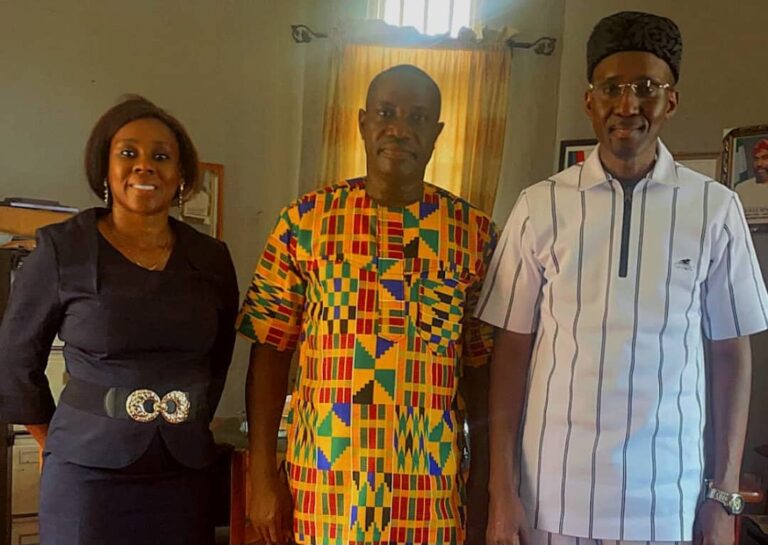
This call was made during a courtesy visit by the Deputy President II of ATPN, Mr. Wilson Uche Ugwu, to the Curator of the Museum of National Unity, Enugu. The visit was part of the association’s broader stakeholder engagement initiative aimed at fostering collaboration across the tourism ecosystem.

“Culture is not just our identity—it is our unifier,” Ugwu stated. “We must encourage synergy among stakeholders and urge the federal government, especially through institutions like the National Commission for Museums and Monuments, to invest more in conserving our cultural assets. This is essential for tourism and the national reawakening of values that bind us together as Nigerians.”

In his response, the Curator, Mr. Duru, welcomed the ATPN delegation warmly and outlined ongoing efforts by the Museum of National Unity to educate and reorient the public through curated exhibitions and cultural programming. He expressed readiness to collaborate with ATPN, noting that the association’s support could amplify the museum’s impact and visibility.

The highlight of the visit was a guided tour of the museum led by Dr. Ijeoma Onyejekwe, who showcased the institution’s commitment to preserving Nigeria’s diverse cultural expressions.

ATPN reiterated its readiness to partner with relevant government agencies and cultural institutions to elevate tourism as a cornerstone of national development and unity. Read More

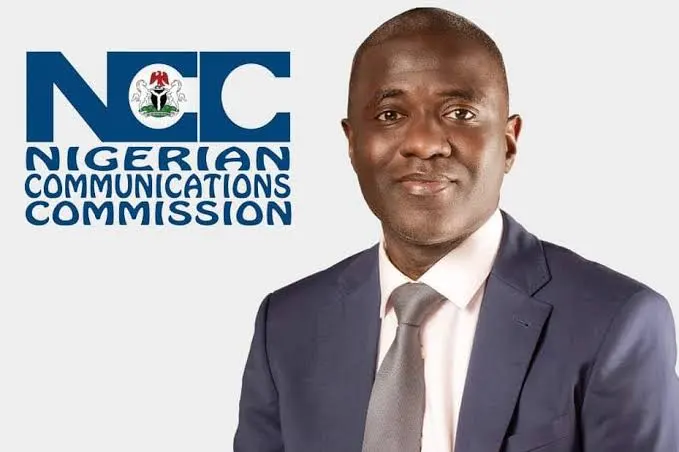
NCC Advances Industry Sustainability, Digital Inclusion Under New Leadership

Dr. Maida is not just setting the pace at NCC—He is laying the groundwork for a telecom future that is transparent, inclusive, and globally competitive

NCC Advances Industry Sustainability, Digital Inclusion Under New Leadership

The Nigerian Communications Commission (NCC) is advancing efforts to foster a more sustainable and inclusive telecommunications sector in Nigeria. Under the leadership of its Chief Executive Officer, Aminu Maida, appointed by President Bola Ahmed Tinubu in October 2023, the Commission has initiated a series of strategic initiatives designed to align the telecom sector with global Environmental, Social, and Governance (ESG) standards.

The NCC’s approach is in line with Nigeria’s broader commitment to adopting International Financial Reporting Standards for environmental and climate-related disclosures, with full compliance targeted by 2027.

In terms of digital inclusion, the Commission has launched the National Broadband Alliance for Nigeria (NBAN), which aims to achieve a 70% broadband penetration rate by the end of 2025. The initiative seeks to extend internet access to underserved areas—including schools, healthcare facilities, and markets—through collaboration with state governments, telecom operators, and infrastructure providers.

The NBAN aligns with Nigeria’s National Broadband Plan (2020–2025) and targets minimum data speeds of 25 Mbps in urban areas and 10 Mbps in rural areas.

The NCC is also promoting digital literacy through partnerships between its Digital Bridge Institute and institutions like Nile University. According to a source familiar with the program, initiatives such as the Advanced Digital Appreciation Programme for Tertiary Institutions (ADAPTI) aim to equip faculty and staff with essential digital skills, including data analysis and productivity tools.

The Commission’s Digital Job Creation for Youths (DJCY) program has reportedly trained over 2,000 young people across Nigeria, providing them with laptops and networking devices to encourage digital entrepreneurship.

Data security and fraud prevention remain high on the NCC’s agenda. The Commission is working with the Central Bank of Nigeria to develop a framework to combat fraud in mobile financial services. An NCC source emphasized the importance of data protection, noting that breaches could have significant consequences for both companies and the industry at large.

In May 2025, the NCC commissioned an e-Health Project at the State Specialist Hospital in Akure, Ondo State. The project aims to leverage ICT to improve healthcare delivery, particularly in rural communities where over 60% of the population reportedly lacks access to functional primary healthcare facilities.

“This attests to our collective efforts to harness the power of ICT to improve and revolutionize the health sector in Nigeria,” Maida said at the event. He added that the initiative could help boost telemedicine adoption in the country.

In a recent move, the NCC directed telecom operators to compensate subscribers for prolonged service outages. The Commission’s Major Outage Reporting Portal is expected to enhance transparency and accountability within the sector. “By providing consumers and stakeholders with timely and transparent information on network outages, we are entrenching a culture of accountability and transparency,” Edoyemi Ogor, Director, Technical Standards and Network Integrity, said.

Earlier this year, the NCC approved a 50% tariff increase (as an upper limit) after a 12-year freeze, in response to rising operational costs and inflationary pressures. The decision, which came into effect on February 17, 2025, was a reduction from the 100% initially proposed by operators under the Association of Licensed Telecommunication Operators of Nigeria (ALTON). According to the Minister of Communications and Digital Economy, Bosun Tijani, the increase was necessary to address current macroeconomic challenges.

Overall, the NCC’s recent initiatives reflect an effort to balance industry sustainability, regulatory compliance, digital inclusion, and consumer protection, as Nigeria’s telecom sector navigates evolving challenges and opportunities. Read More

Pilgrim Protection: Saudi Forces Demonstrate High Alert for Hajj 2025

The comprehensive security plan involves military, emergency response, firefighting, medical, and cybersecurity teams

Pilgrim Protection: Saudi Forces Demonstrate High Alert for Hajj 2025

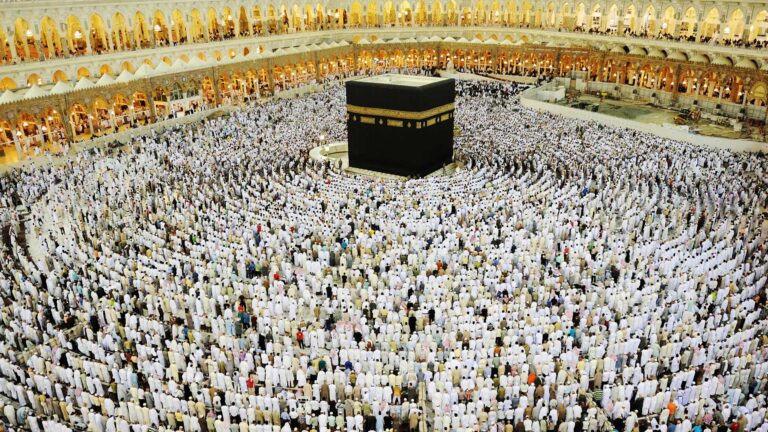
With millions of pilgrims set to converge on the holy city of Makkah, Saudi Arabia’s Hajj Security Forces have declared full operational readiness to ensure the safety and security of all worshippers during the 2025 Hajj pilgrimage.

At a grand military parade held on Saturday, 4th of Dhul Hijjah, in Makkah, the Saudi forces showcased their preparedness in a powerful display of strength, coordination, and precision. The parade was inspected by Prince Abdulaziz Bin Saud Bin Naif Bin Abdulaziz, Saudi Arabia’s Minister of Interior and Chairman of the Supreme Hajj Committee, alongside other senior officials.

Lieutenant-General Mohammad bin Abdullah Al-Bassami, Director of Public Security and Chairman of the Hajj Security Committee, emphasized that the forces are at their “highest level of readiness” and fully equipped to respond to any threat that could disrupt the pilgrimage.

“This comprehensive security plan involves military, emergency response, firefighting, medical, and cybersecurity teams,” said Al-Bassami. “The Kingdom has mobilized all capabilities to serve Hajj and safeguard every pilgrim.”

The parade featured live-fire demonstrations simulating rapid responses to armed threats, firefighting drills, aerial flypasts, and complex tactical maneuvers. Troops marched in perfect formation, reflecting discipline and high morale, while various units displayed specialized vehicles, weapons, and technical gear.

The readiness event, the largest military show staged by the Kingdom ahead of the Hajj, reaffirmed Saudi Arabia’s commitment to ensuring a safe and incident-free pilgrimage. It also underscored the high level of coordination between military and civil defense units involved in managing the massive influx of pilgrims.

As part of safety measures, Saudi authorities urged all pilgrims to comply with Hajj regulations and cooperate with security personnel. Violations, they warned, could lead to legal action or deportation.

With the 2025 Hajj just days away, this visible and well-coordinated show of force aims to reassure the global Muslim community of the Kingdom’s unwavering dedication to protecting the sanctity of the holy pilgrimage. Read More

SERAP Drags NNPCL to Court Over Alleged N500bn Missing Oil Revenue

“The failure to account for the ₦500 billion oil money is a breach of the principles of transparency and accountability enshrined in Nigeria’s Constitution and international anti-corruption obligations”

SERAP Drags NNPCL to Court Over Alleged N500bn Missing Oil Revenue

The Socio-Economic Rights and Accountability Project (SERAP) has filed a lawsuit against the Nigerian National Petroleum Company Limited (NNPCL) over its failure to account for a staggering ₦500 billion in oil revenue that is reportedly missing from the country’s coffers.

The legal action, filed at the Federal High Court in Lagos, challenges the NNPCL’s refusal to disclose detailed information on the alleged loss, despite multiple requests for transparency.

In its statement, SERAP accused the state-run oil company of violating citizens’ right to information and undermining public trust. The organisation argues that the missing funds could have been crucial in addressing pressing social needs such as healthcare, education, and infrastructure.

“The failure to account for the ₦500 billion oil money is a breach of the principles of transparency and accountability enshrined in Nigeria’s Constitution and international anti-corruption obligations,” SERAP said.

The group is asking the court to compel NNPCL to disclose spending details, name the companies or individuals involved, and explain steps taken to recover the funds.

This legal move comes amid heightened scrutiny of Nigeria’s oil revenues and repeated calls from civil society groups for reforms in the extractive sector.

Neither NNPCL nor the government had publicly responded to the lawsuit at the time of publication. Read More

Fitch Upgrades Fidelity Bank’s National Rating Amid Strong Capital Gains, Profit Surge

0

The upgrade reflects Fidelity Bank’s successful capital-raising efforts—through a rights issue and public offer—which have bolstered its financial base

Fitch Upgrades Fidelity Bank’s National Rating Amid Strong Capital Gains, Profit Surge

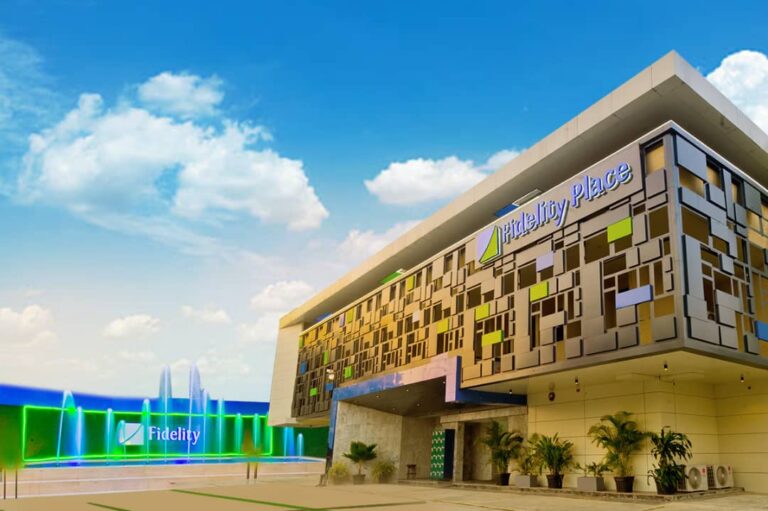
Fitch Ratings has affirmed Fidelity Bank Plc’s Long-Term Issuer Default Rating (IDR) at ‘B’ while upgrading its National Long-Term Rating from ‘A(nga)’ to ‘A+(nga)’, citing improved financial resilience and profitability.

The global credit rating agency announced the upgrade on May 29, 2025, highlighting the bank’s strengthened capital buffers and positive earnings trajectory as key drivers behind the improved national score.

According to Fitch, the upgrade reflects Fidelity Bank’s successful capital-raising efforts—through a rights issue and public offer—which have bolstered its financial base. Additionally, a marked improvement in profitability, fueled by higher interest income and a stable, low-cost deposit mix, contributed to the improved outlook.

The IDR, which remains at ‘B’, continues to reflect the broader risks associated with Nigeria’s operating environment. Nonetheless, the upgraded national rating points to Fidelity Bank’s growing strength and resilience within the local banking sector.

Commenting on the announcement, Managing Director/CEO of Fidelity Bank, Dr. Nneka Onyeali-Ikpe, said, “This upgrade by Fitch Ratings affirms the resilience of our business model, the strength of our risk management practices, and our unwavering focus on delivering sustainable value to stakeholders. Despite a challenging macroeconomic environment, we have continued to maintain strong asset quality, solid profitability, and ample liquidity. This recognition reinforces our position as one of Nigeria’s most resilient and customer-focused financial institutions.”

One of the key drivers of the improved rating is the bank’s robust capitalization. Fitch reports that Fidelity’s Fitch Core Capital (FCC) ratio rose to 29.9% at the end of 2024—well above the regulatory minimum. The agency also noted that further capital raising efforts are expected to position the bank to meet the ₦500 billion minimum capital requirement for internationally licensed banks before the 2025 deadline.

Fidelity Bank’s market positioning remains strong. As Nigeria’s sixth-largest bank, it commands approximately 5% of total banking sector assets. The bank’s balance sheet is reinforced by a high proportion of low-cost deposits, which accounted for 93% of total deposits as of year-end 2024—among the highest in the Nigerian banking industry.

The affirmation and upgrade by Fitch is expected to enhance investor confidence and support Fidelity’s continued efforts to scale its operations both locally and internationally.

Ranked among the best banks in Nigeria, Fidelity Bank Plc is a full-fledged Commercial Deposit Money Bank serving over 9.1 million customers through digital banking channels, its 255 business offices in Nigeria and United Kingdom subsidiary, FidBank UK Limited.

The Bank is the recipient of multiple local and international Awards, including the 2024 Excellence in Digital Transformation & MSME Banking Award by BusinessDay Banks and Financial Institutions (BAFI) Awards; the 2024 Most Innovative Mobile Banking Application award for its Fidelity Mobile App by Global Business Outlook, and the 2024 Most Innovative Investment Banking Service Provider award by Global Brands Magazine. Additionally, the Bank was recognized as the Best Bank for SMEs in Nigeria by the Euromoney Awards for Excellence and as the Export Financing Bank of the Year by the BusinessDay Banks and Financial Institutions (BAFI) Awards. Read More

Biometric ID Rollout Begins at Ikeja’s Computer Village to Curb Crime, Boost Investor Confidence

The biometric registration is expected to be completed within two months, after which only verified traders will be permitted to operate

Biometric ID Rollout Begins at Ikeja’s Computer Village to Curb Crime, Boost Investor Confidence

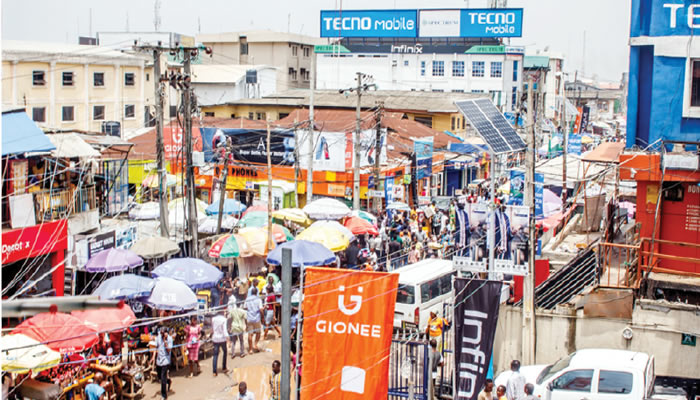
In a bold move to combat rising insecurity and restore investor confidence, the leadership of Computer Village in Ikeja has launched a biometric registration and vendor enumeration initiative aimed at sanitising the market.

According to Iyaloja Abisola Azeez, the exercise is part of a broader rebranding strategy targeting persistent problems like phone snatching, dishonest technicians, and the sale of substandard goods.

“The market’s leadership announced the move after a recent security incident led the Lagos State Task Force to consider a complete shutdown. However, market representatives intervened to safeguard legitimate traders. Under the new rules, only registered vendors with ID cards displayed at their stalls will be allowed to operate,” the statement read.

To enhance safety and orderliness, the market has also introduced new guidelines for street setups—limiting them to plastic chairs, show glasses, and umbrellas—while banning wooden structures and open flames to mitigate fire risks.

Baba Oja Adeniyi Olasoji acknowledged the market’s tarnished reputation and underlined the importance of tighter security. “New measures include CCTV surveillance, emergency alert systems, and stronger collaboration with law enforcement,” he said.

Other market leaders—Prince Tony Nwakeze, Ralph Chibuzor, Ben Onuorah, Nofiu Akinsanya, and Ikani Tony—have all thrown their support behind the initiative, describing it as essential to transforming Computer Village into a structured, globally competitive digital marketplace.

The biometric registration is expected to be completed within two months, after which only verified traders will be permitted to operate.

Fidelix Ezeugwu, Executive Secretary of the Ikeja Market Board, stressed the significance of having up-to-date data and a unified leadership representing the four major ethnic groups in the market.

He added, “Additional upgrades include installation of walkie-talkies for improved communication, enhanced street lighting, and CCTV cameras to monitor activity. These improvements aim to position Computer Village as a world-class market, comparable to international hubs like Dubai and Singapore.” Read More

Lagos LG Increases Doctors’ Salaries to N800,000 To Boost Healthcare

Lagos LG Increases Doctors’ Salaries to N800,000 To Boost Healthcare

In a decisive move to strengthen local healthcare delivery, the Chairman of Ikoyi-Obalende Local Council Development Area (LCDA), Hon. Fuad Atanda-Lawal, has approved a 100% salary increase for medical doctors under the council’s payroll—from N400,000 to N800,000 monthly, effective June 2025.

The new pay structure marks a threefold increase since February 2024, when doctors’ salaries were first raised from N200,000 to N400,000. The council says this second upward review is both a reward for service and a strategy to retain skilled medical professionals amid the country’s rising brain drain.

“Our administration is not only reconstructing the Senator Oluremi Tinubu Primary Healthcare Centre—we’re rebuilding the very foundation of healthcare delivery in Ikoyi-Obalende,” said Atanda-Lawal. “By increasing our doctors’ salaries again, we are reinforcing our belief that a healthy society is a wealthy society.”

The salary hike comes as the reconstruction of the flagship PHC nears completion. Currently in its upper-level phase, the revamped facility is expected to significantly boost access to quality healthcare for thousands of residents in the area.

Chairman Atanda-Lawal noted that the pay raise is also aimed at reducing attrition driven by the ‘Japa’ syndrome—a term used to describe the mass migration of Nigerian professionals in search of better opportunities abroad.

“We have only a few weeks left in office, but we remain committed to serving till the very last hour,” he stated, calling on residents to continue supporting people-first governance.

This latest investment in healthcare personnel and infrastructure forms part of the Atanda-Lawal administration’s legacy of progressive, inclusive leadership—one focused on action, continuity, and ensuring that no one is left behind. Read More

Dangote Refinery Symbolises Hope for Africa – ECOWAS Leaders

Dangote Refinery produces fuel that meets Euro V standards and is essential for helping the ECOWAS region achieve its 50ppm sulfur limit for petroleum products—a standard that many imported fuels fail to meet

Dangote Refinery Symbolises Hope for Africa – ECOWAS Leaders

… We’ve capacity to meet ECOWAS’s petroleum needs – Dangote

 Towering over the Lekki Free Zone on the edge of the Atlantic, the Dangote Petroleum Refinery is more than just a feat of engineering; it has become a symbol of ambition, vision, and industrial self-reliance for an entire continent. Now, that promise has been affirmed by the region’s highest political and economic bloc, the Economic Community of West African States (ECOWAS).

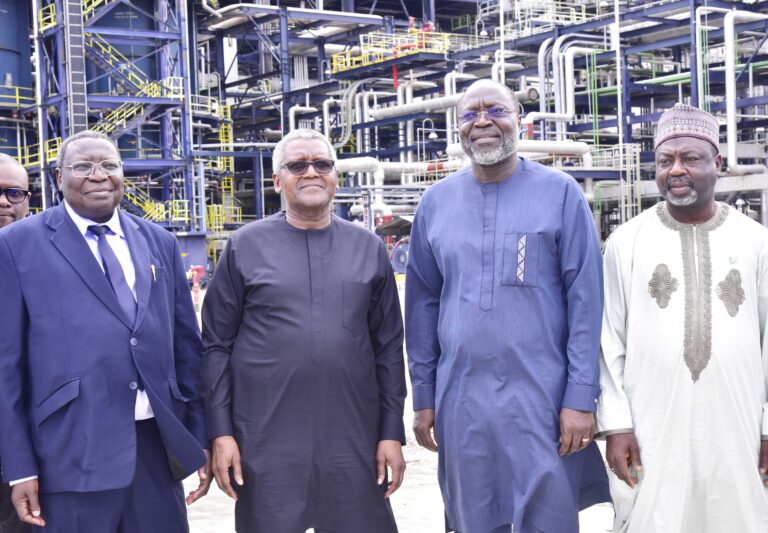
 During a high-level visit to the state-of-the-art 650,000 barrels-per-day facility, the President of the ECOWAS Commission, H.E. Dr Omar Alieu Touray, declared the refinery a beacon of hope for Africa’s future, and a clear demonstration of what the private sector can achieve in the drive for regional industrialisation. The delegation also included ECOWAS Commissioner for Infrastructure, Energy and Digitalisation, Sediko Douka; Commissioner of Internal Services, Prof. Nazifi Abdullahi Darma; Director of Private Sector/SME, Dr Tony Luka Elumelu; and Dr Touray’s Chief of Staff, Hon Abdou Kolley, among others.

“What I have seen today gives me a lot of hope, and everybody who doesn’t believe in Africa should come here. Visiting here will give you more hope because this is exactly what our continent should focus on,” Dr Touray remarked, visibly moved by the scale and sophistication of the facility. “We have seen something I couldn’t have imagined, and really the capacity in all areas is impressive. We congratulate Alhaji Dangote for this trust in Africa because I think you do this only when you have the trust, and he has a vision for Africa, and this is what we should all work to encourage.”

Dr Touray noted that the refinery, which produces fuel to Euro V standard, is critical for enabling the ECOWAS region to meet its 50ppm sulphur limit for petroleum products—a standard many imported fuels fail to meet, posing health and environmental risks across member states.

“We are still importing products below our standard when a regional company such as Dangote can meet and exceed these requirements,” he said. “The private sector must take the lead in ECOWAS industrialisation.”

The ECOWAS Commission President used the visit to call for stronger collaboration between governments and the private sector, stressing that policy decisions must reflect the real challenges and opportunities experienced by African industrialists.

“We believe our visit also serves as an opportunity to hear directly from Mr Dangote, about what the private sector expects from the ECOWAS community,” Dr Touray remarked, noting that as ECOWAS celebrates its 50th anniversary, the community is more committed than ever to bringing the private sector to the table—to listen to their perspectives and to understand how best to create an environment that works for them.

“We cannot continue to make decisions on behalf of the private sector from a distance. Visits like this provide us with first-hand experience and direct insight into the challenges they face—challenges that authorities and government officials must work to address,” he added.

Dr Touray said the time is ripe for the region to pursue an industrial strategy capable of addressing deep-rooted challenges such as youth unemployment, poverty, and insecurity.

“We often speak about poverty eradication and youth employment, but the government alone may not have the capacity to achieve these goals. Only the private sector can deliver the scale of impact required, and it is essential that we listen to them, understand how these objectives can be met, and identify the bottlenecks they face so that they can be effectively addressed. This is the only realistic path to creating jobs and fostering genuine prosperity across our economies.”

He pledged the Commission’s full support for enabling regional giants such as Dangote Group to access wider ECOWAS markets and urged other African nations to follow Nigeria’s example by building infrastructure that serves the continent, not just individual countries.

“Once again, I congratulate the Dangote Group and commit that ECOWAS Commission will do everything to open up the ECOWAS market for them, if not the entire African continent.”

President of Dangote Group, Aliko Dangote, led the ECOWAS delegation on a detailed tour of the facility, explaining the challenges and milestones involved in bringing the world’s largest single-train refinery to life.

He reiterated his longstanding position that Africa’s continued dependence on imported goods is unsustainable and hinders economic sovereignty.

“As long as we continue importing what we can produce, we will remain underdeveloped,” Dangote said. “This refinery is proof that we can build for ourselves at scale, to global standards.”

He noted that the Dangote Refinery is fully equipped to meet the petroleum needs of Nigeria and the entire West African region, countering claims that the facility would not produce enough for local and regional demand.

“There have been many claims suggesting that we don’t even produce enough to meet Nigeria’s needs, so how could we possibly supply other West African countries? But now, they are here to see the reality for themselves and, more importantly, to encourage other nations to embark on similarly large-scale industrial projects,” he said.

Noting that Africa will benefit greatly by encouraging trade among its countries, especially through value addition to the continent’s abundant resources, Dangote stressed how the refinery has helped Nigeria to bring down the cost of refined products and production costs across many sectors of the economy.

“Last year, when we began diesel production, we were able to reduce the price from N1,700 to N1,100 at a go, and as of today, the price has crashed further. This reduction has made a significant impact across various sectors. It has supported industries, benefited those of us in mining, and provided vital relief to the agricultural sector. The effect has been far-reaching,” he said.

He also noted that Nigerians are benefiting from local refining as the price of petrol has dropped significantly compared to neighbouring countries.

“In neighbouring countries, the average price of petrol is around $1 per litre, which is N1,600. But here at our refinery, we’re selling at between N815 and N820. Many Nigerians don’t realise that they are currently paying just 55% of what others in the region are paying for petrol. We also have a much larger initiative in the pipeline, something we’ve not yet announced but Nigerians should know that this refinery is built for them, and they will enjoy the maximum benefit from it,” he said.

He emphasised that this price reduction is a direct result of local refining, which continues to improve fuel affordability while enhancing energy security and reducing dependence on imports. Read More
Building the New Nigeria: Tinubu’s Legacy of Infrastructure Renewal | By Babajide Sanwo-Olu

The Tinubu administration is not just building structures; it is building belief

Building the New Nigeria: Tinubu’s Legacy of Infrastructure Renewal | By Babajide Sanwo-Olu

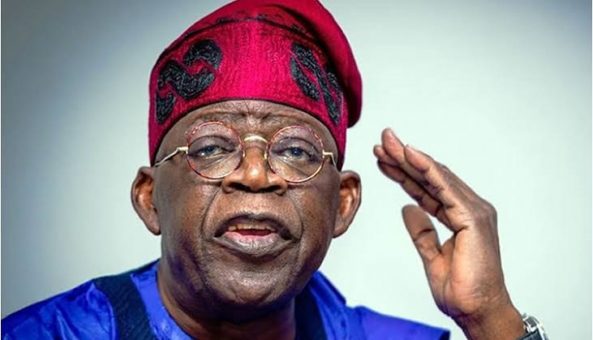
When historians look back on Nigeria’s developmental stride in the 2020s, they will likely point to the Tinubu era as a defining period of infrastructural revival. From roads and railways to energy and digital infrastructure, the administration has adopted a nationalistic, all-inclusive development vision.

The Lagos-Calabar Coastal Highway is a landmark initiative. Initially dismissed by skeptics as overly ambitious, its first phase has rapidly progressed, silencing critics and igniting a renewed belief in Nigeria’s capability to execute large-scale projects. Similarly, the Sokoto-Badagry Highway is another transregional connector that is redefining mobility and trade.

Railway projects, long stagnant, have been revitalized. Power sector initiatives have received new attention, with a deliberate focus on off-grid solutions and partnerships to expand generation and distribution. In the oil and gas sector, moribund refineries are being resuscitated, and the Dangote Refinery stands as a testament to private-sector synergy with public vision.

Beyond hard infrastructure, the administration has also reformed taxation laws to create a more business-friendly climate. These reforms, though controversial at inception, are bearing fruit.

In infrastructure, the Tinubu administration is not just building structures; it is building belief. It is telling Nigerians that they deserve world-class facilities—and delivering them.

By Babajide Sanwoolu

Senator Gbenga Daniel Joins Nigerian Navy to Unveil High-Tech Fleet at 69th Anniversary

0

The landmark event underscores the Navy’s strategic modernization drive as part of efforts to strengthen Nigeria’s maritime domain awareness

Senator Gbenga Daniel Joins Nigerian Navy to Unveil High-Tech Fleet at 69th Anniversary

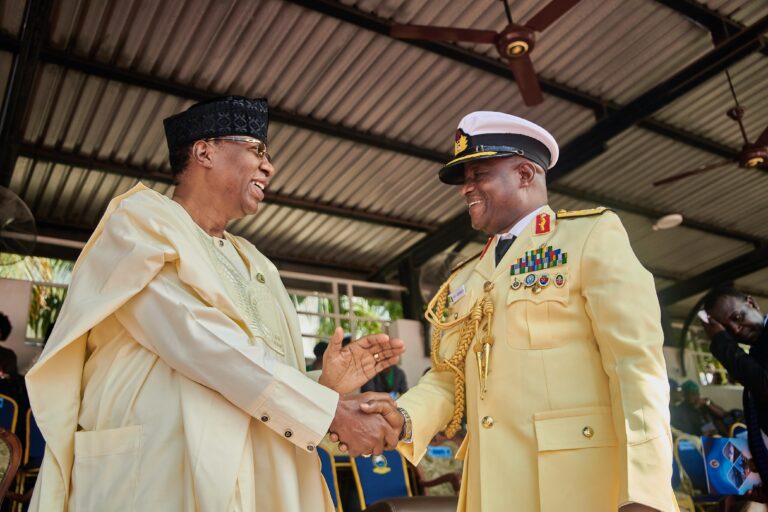
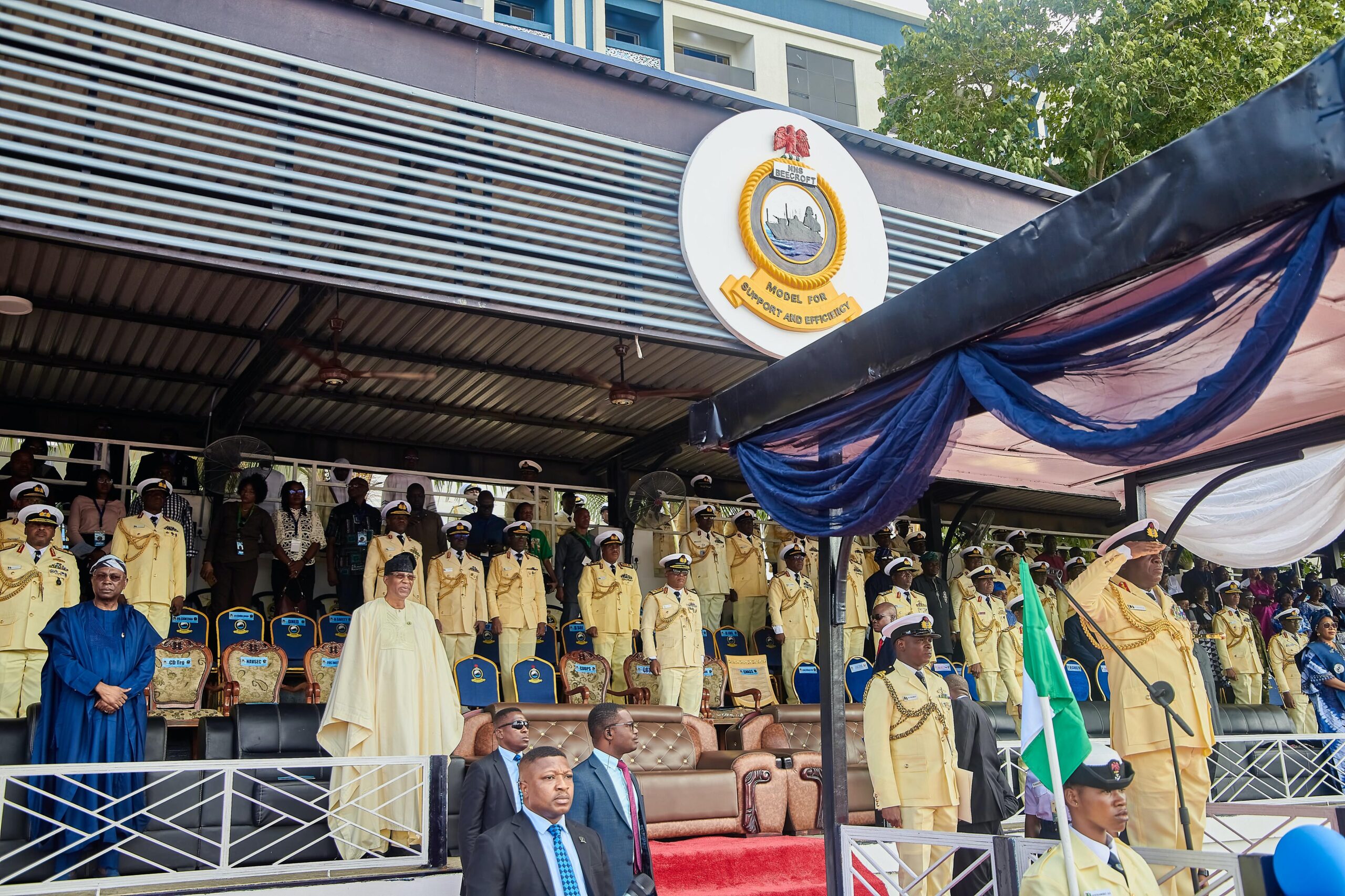
In a resounding display of Nigeria’s maritime advancement and unwavering commitment to national security, the Nigerian Navy marked its 69th Anniversary with a high-profile ceremony held at the Nigerian Naval Ship (NNS) Quorra in Apapa, Lagos.

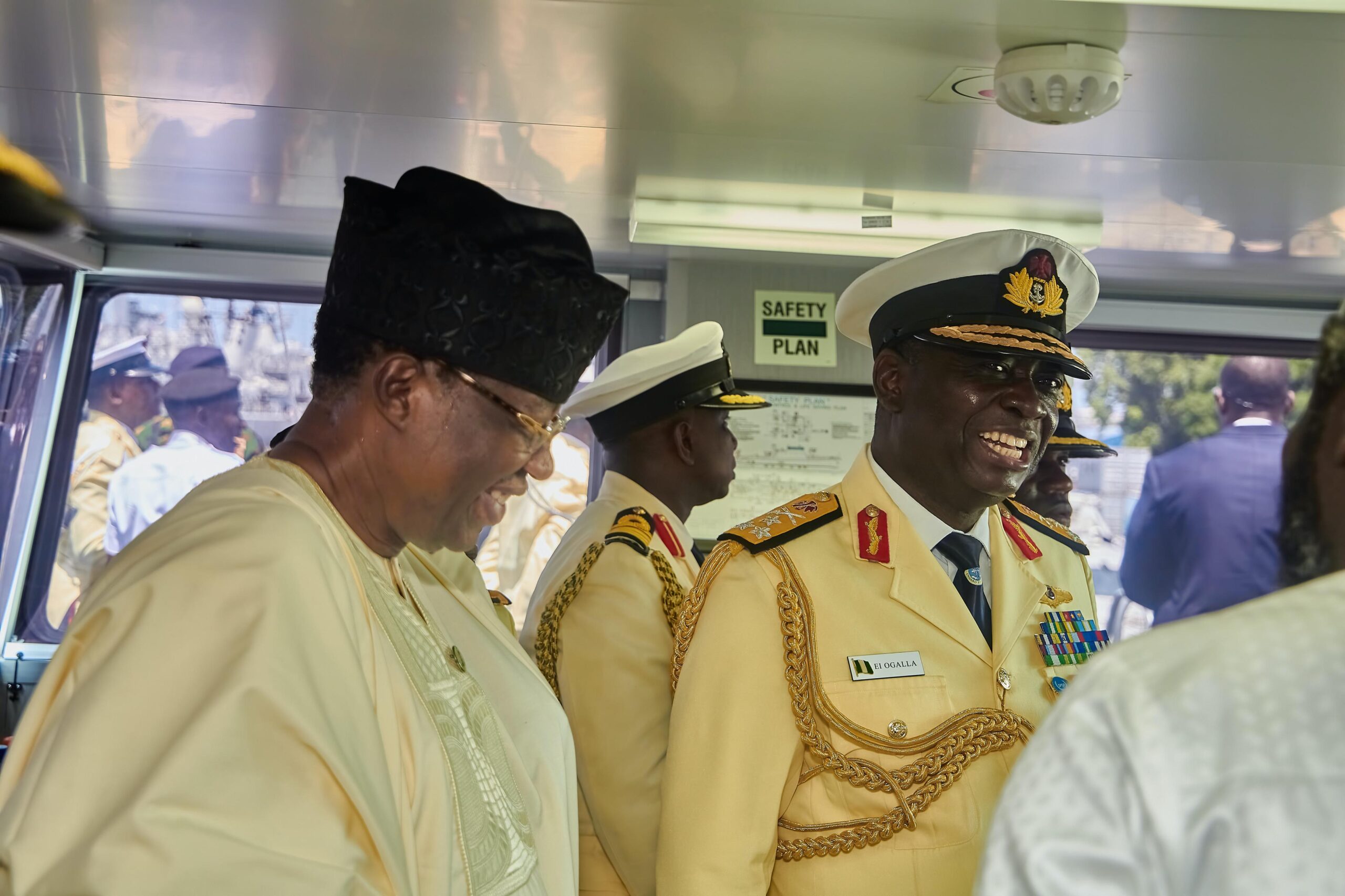
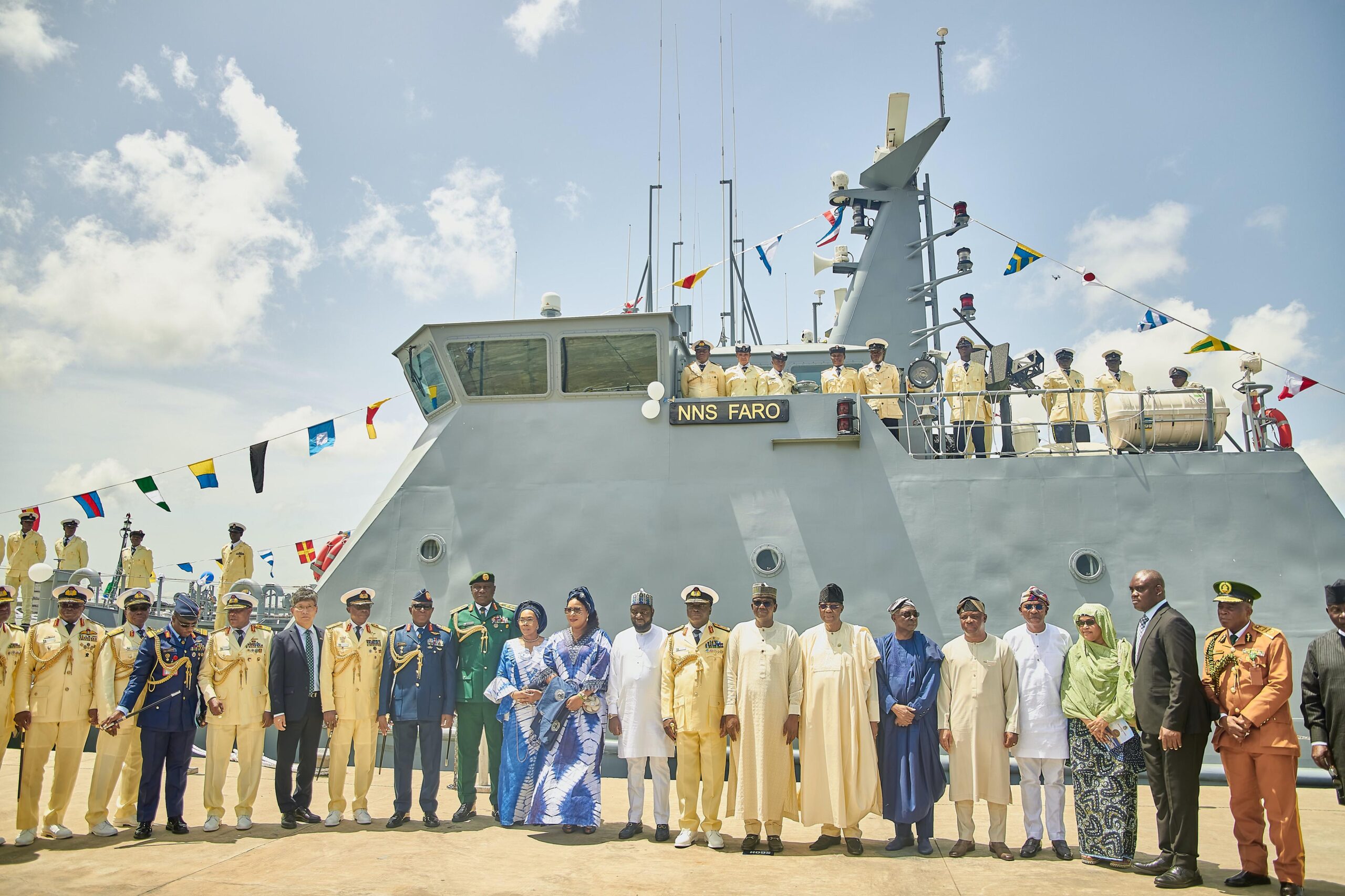
Gracing the occasion was the Chairman of the Senate Committee on Navy, His Excellency, Senator Otunba Engr. Gbenga Daniel, FNSE, FNAEng, who joined an array of dignitaries, senior naval officers, government officials, and foreign envoys to witness the commissioning of newly acquired ships, helicopters, and state-of-the-art naval technologies.

The landmark event underscores the Navy’s strategic modernization drive as part of efforts to strengthen Nigeria’s maritime domain awareness, enhance internal security, and safeguard national economic interests, especially within the Gulf of Guinea region.

In his remarks, Senator Gbenga Daniel commended the leadership of the Nigerian Navy for its continued strides in fleet renewal, operational efficiency, and personnel capacity building. “This celebration is not just a commemoration of the past 69 years but a testament to the Navy’s enduring evolution and its pivotal role in defending Nigeria’s maritime sovereignty,” he said.

The newly inducted assets include advanced offshore patrol vessels, multi-purpose combat helicopters, and coastal surveillance platforms—all expected to bolster naval operations against piracy, crude oil theft, smuggling, and other forms of maritime crimes.

The Chief of the Naval Staff, Vice Admiral Emmanuel Ogalla, while delivering his keynote address, reaffirmed the Navy’s dedication to professionalism and innovation. He noted that the newly commissioned platforms are part of a broader maritime security architecture aimed at sustaining the Navy’s readiness in the face of growing regional threats.

“This year’s anniversary offers an opportunity not only for reflection but also for rededication. The Nigerian Navy remains steadfast in ensuring the safety of our waters and contributing significantly to regional peacekeeping operations,” Vice Admiral Ogalla stated.

In addition to the commissioning ceremony, guests were treated to a dynamic naval display and a tour of the newly acquired platforms, illustrating the Navy’s operational competence and technological progress.

The Nigerian Navy was established in 1956 and has since grown into a formidable maritime force in West Africa. This year’s theme, “Securing the Maritime Commons for National Prosperity”, aligns with Nigeria’s aspirations for a safer, more secure, and economically viable maritime environment.

Senator Daniel, a distinguished engineer, former governor of Ogun State, and an advocate for maritime development, has consistently emphasized the importance of a well-funded and modern Navy in ensuring national security and economic resilience.

The 69th Anniversary celebrations will continue with other events nationwide, including naval symposiums, medical outreach programmes, and inter-agency collaborations to deepen maritime governance and civilian-military cooperation.