

As Nigeria gradually inches toward the 2027 governorship elections, a subtle but significant political shift is unfolding within the All Progressives Congress (APC), with women increasingly emerging as strong contenders for top state offices.
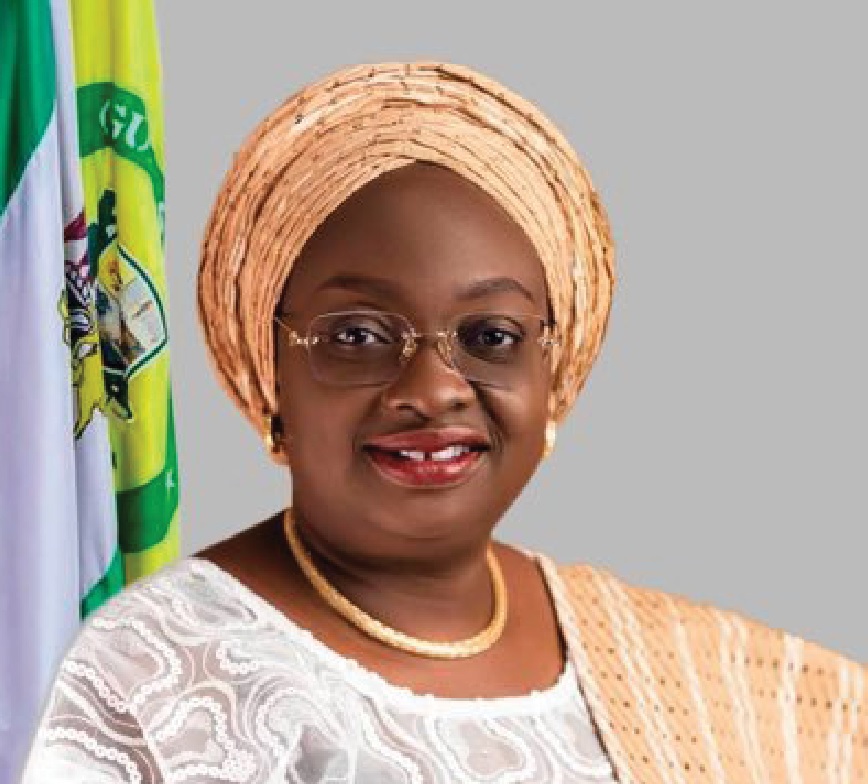
According to insights from the She Can Lead Team, a growing number of female political figures with proven governance records are gaining traction across the country. In Ogun State, Deputy Governor Noimot Salako-Oyedele is rapidly becoming a focal point in conversations around the state’s 2027 governorship race.
Salako-Oyedele’s rising profile is anchored on her blend of technical expertise and administrative experience. A Fellow of the Nigerian Society of Engineers (FNSE), she has built a reputation for disciplined leadership, policy clarity, and a results-driven approach to governance. Her emergence from Ogun West has also reignited conversations around regional equity, a recurring factor in the state’s political calculations.
However, she is not alone in the spotlight. Other prominent female figures such as Modele Sarafa-Yusuf and Iyabo Obasanjo-Bello are also drawing attention as potential governorship aspirants.
Sarafa-Yusuf, a former broadcast journalist and ex-Special Adviser on Information to Governor Dapo Abiodun, brings media savvy and political experience to the mix, while Obasanjo-Bello leverages her administrative background and political lineage as the daughter of former President Olusegun Obasanjo.
The surge of female political actors is not limited to Ogun. Across the country, women in governance are steadily redefining leadership narratives. In Adamawa State, Deputy Governor Kaletapwa Farauta is noted for combining academic excellence with governance experience. Similarly, Chinyere Ekomaru in Imo State is gaining recognition for grassroots engagement, while Hadiza Balarabe in Kaduna State continues to make strides in public health and policy delivery.
Collectively, these leaders are shaping a broader national shift toward inclusive, competence-driven governance, challenging long-standing political norms.
Ogun State, known for its history of balanced and inclusive leadership across religious and regional lines, appears particularly receptive to this evolving dynamic. Analysts say Salako-Oyedele’s cross-cutting appeal and governance style resonate with a diverse electorate seeking pragmatic leadership.
What began as speculation is now evolving into a tangible political movement. With party alignments gradually taking shape, her candidacy is gaining momentum among stakeholders who see her as a viable successor in 2027.
As the political landscape continues to evolve, Ogun faces a defining question: whether to maintain traditional power structures or embrace a new era shaped by tested competence and inclusive leadership.
With multiple strong female contenders in the frame, the 2027 race may not just be about gender representation, but about who among them is best prepared to lead.