

Former Nigerian President Muhammadu Buhari, who died in London on July 13, 2025, at the age of 82, was more than just a leader
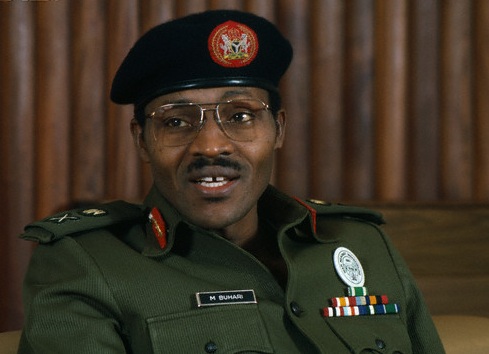
Legacy of a General: The Defining Facts About Late President Muhammadu Buhari’s Life in Uniform and Politics
From Daura to Dodan Barracks and Aso Rock, Nigeria’s late former President Muhammadu Buhari leaves behind a legacy shaped by discipline, controversy, and democratic milestones.
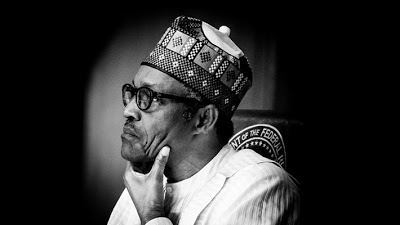
Former Nigerian President Muhammadu Buhari, who died in London on July 13, 2025, at the age of 82, was more than just a leader—he was a towering figure in Nigeria’s military and democratic evolution.
Born on December 17, 1942, in Daura, Katsina State, Buhari rose from modest beginnings to become both Nigeria’s military Head of State and twice-elected civilian President—only the second leader in the nation’s history to achieve such distinction.
Below are key facts that define the life and legacy of the late leader:
1. Military Roots and Rise to Power
Buhari joined the Nigerian Army in 1961 after graduating from Katsina Provincial Secondary School. He trained at the Nigerian Military Training College, Kaduna, with further military education in the UK, India, and the United States.
By 1975, he had become the first military governor of the newly created Borno State. Over the years, he held several high-ranking positions, including General Officer Commanding 3rd Armored Division, Federal Commissioner for Petroleum and Natural Resources (1976), and the first Chairman of the Nigerian National Petroleum Corporation (NNPC) in 1977.
2. Seizure of Power and War Against Indiscipline
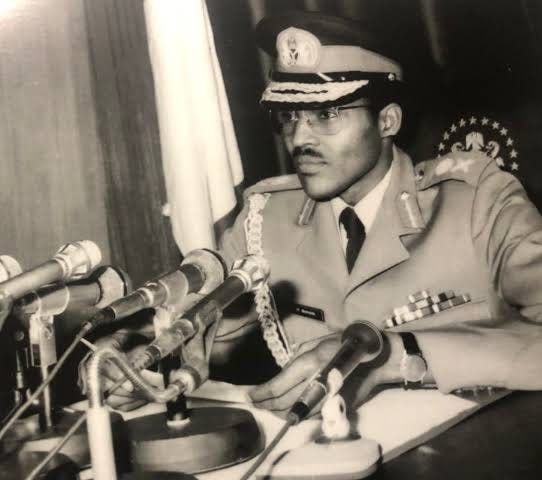
On December 31, 1983, Major General Buhari seized power in a military coup, becoming Head of State and Commander-in-Chief. His short but memorable rule (1983–1985) was marked by strict discipline and his famous War Against Indiscipline (WAI), which aimed to restore civic responsibility and order.
He ruled for 1 year, 7 months, and 27 days before being ousted by General Ibrahim Babangida.
3. Petroleum Trust Fund and Public Service Legacy
In 1994, under General Sani Abacha’s regime, Buhari was appointed Chairman of the Petroleum Trust Fund (PTF), where he managed infrastructure and development projects funded by petroleum revenues.
4. Civilian Comeback and Democratic Victory
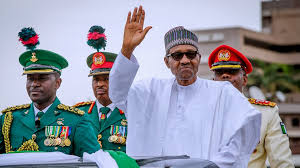
After years away from public office, Buhari joined politics in 2003. He ran for president under three different political parties: the All Nigeria Peoples Party (ANPP) in 2003 and 2007, the Congress for Progressive Change (CPC) in 2011, and finally under the All Progressives Congress (APC) in 2015.
His victory in 2015 was historic—it marked the first time a sitting Nigerian president was defeated at the polls. Buhari was re-elected in 2019, serving a full eight years before handing over to his political ally, President Bola Ahmed Tinubu, in 2023.
5. A Man of Spartan Habits
Despite holding Nigeria’s highest office, Buhari lived modestly. In 2015, he declared assets including:
- Five homes
- Two mud houses
- A ranch with 270 cows
- An orchard and several farms
- Shares in three companies
- Land in Port Harcourt and Kano
- $150,000 in a personal bank account
After his presidency, Buhari retired to his hometown Daura before eventually relocating to Kaduna.
“After my eight years as a civil president, I have only three houses; one in Daura and two in Kaduna. I have given one out for renting, where I get money for feeding,” Buhari once said.
6. Health and Rumours
His health was frequently in the spotlight, especially in 2017 when he spent over five months abroad receiving treatment. During that time, Vice President Yemi Osinbajo acted as president.
The long absence sparked conspiracy theories that he had died and been replaced by a body double—a rumour his camp consistently denied.
7. Family and Personal Life
Buhari was first married to Safinatu Yusuf (1971–1988), and later to Aisha Halilu in 1989. The two marriages produced ten children. Despite the demands of leadership, Buhari remained closely connected to his family.
8. Nearly a Decade at the Helm
Combining his military rule and civilian presidency, Buhari spent 9 years, 7 months, and 27 days in power—making him Nigeria’s second-longest-serving leader.
9. Revered and Reviled
While Buhari was admired for his anti-corruption stance and infrastructural focus, critics pointed to alleged human rights abuses, economic struggles, and perceived sectionalism during his civilian presidency. Still, his cult-like following, especially in the North, remained intact.
10. Final Days and Death in London
Buhari passed away in a London clinic on July 13, 2025, while undergoing treatment. The nature of his illness was not disclosed.
Presidential spokesman Garba Shehu confirmed his passing:
“The family of the former president has announced the passing on of the former president, Muhammadu Buhari, GCFR, this afternoon in a clinic in London.”
President Tinubu has since ordered flags flown at half-mast and directed Vice President Kashim Shettima to accompany Buhari’s body back to Nigeria.
Muhammadu Buhari’s life, from the dusty streets of Daura to the apex of Nigeria’s military and political ladder, is a study in discipline, resilience, and controversy. Love him or loathe him, his imprint on the nation is indelible. Read More