







No More ‘Briefcase Farmers’ as Tinubu Launches New Digital Registry, Rolls Out Tractors, Livestock Hubs to Revive Agriculture
In a bold effort to overhaul Nigeria’s agricultural sector and combat food insecurity, President Bola Ahmed Tinubu has launched a nationwide audit and digital registry of farmers aimed at identifying and removing so-called “briefcase farmers” — individuals who fraudulently benefit from government interventions without engaging in real food production.
The initiative is a cornerstone of Tinubu’s broader agricultural reform agenda under the Renewed Hope administration. The new digital registry will use verification technology to ensure that only genuine, practicing farmers receive government support, resources, and subsidies.
“The registry will help plug longstanding leakages in intervention programs and ensure that critical inputs and subsidies are directed to those actively engaged in cultivation and production,” a presidential aide explained.
In tandem with the registry, the federal government has unveiled a series of complementary agricultural projects, including a livestock development scheme to reduce herder-farmer clashes. Under the supervision of the newly established Federal Ministry of Livestock Development, cattle breeding centers will be set up in all six geopolitical zones of the country.
“These centers will not only help ease tensions between herders and farmers but also build a robust value chain around meat, dairy, and leather production,” a senior government source noted.
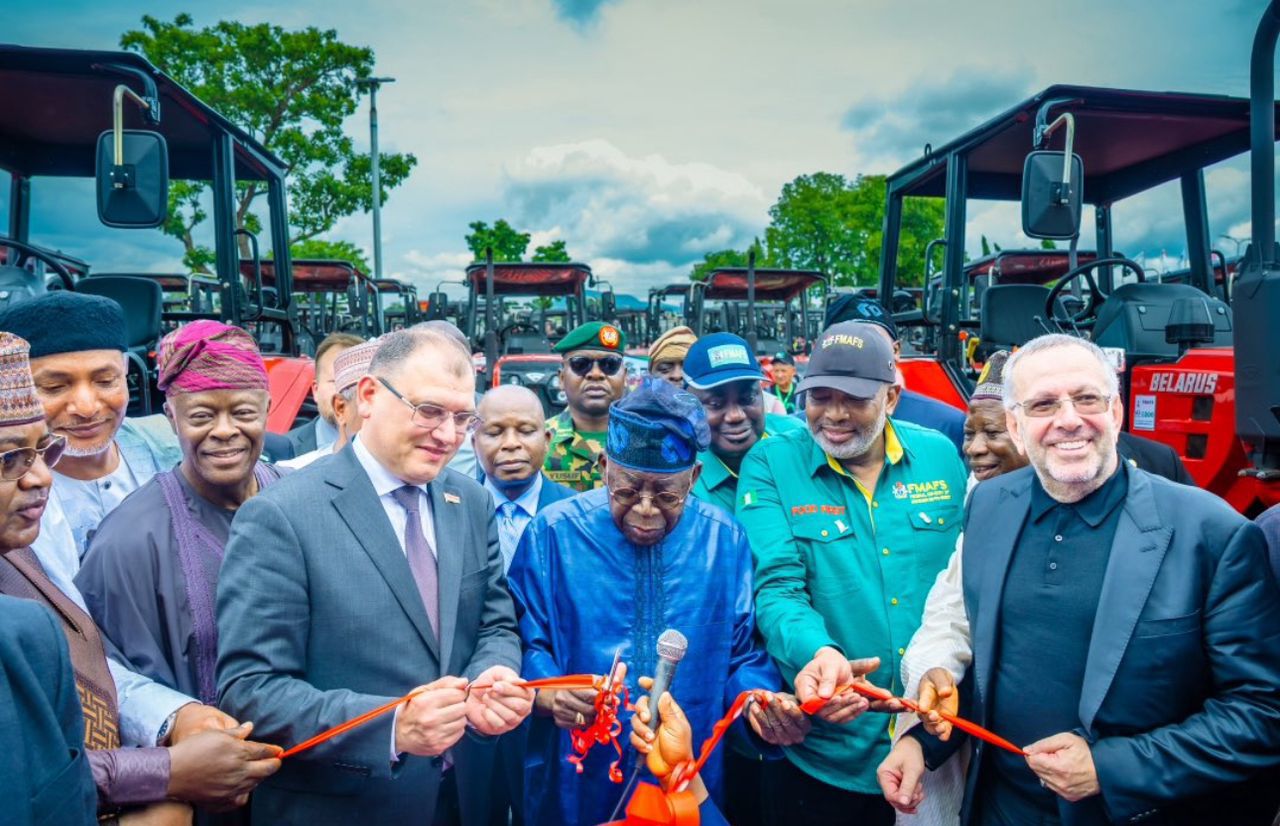
Additional major initiatives highlighted by the presidency include: National Mechanization Programme: Aimed at delivering 10,000 tractors nationwide within five years, with 2,000 tractors and essential equipment already distributed to promote large-scale mechanized farming.
- Special Agro-Processing Zones (SAPZ): Developed in partnership with the African Development Bank to create agro-industrial hubs that add value to produce and drive rural job creation.
- Agropocket Initiative: This scheme has already facilitated the cultivation of over 133,000 hectares of wheat in Northern Nigeria, helping to strengthen domestic food production and reduce dependence on grain imports.
The administration reiterated that these reforms are designed to modernize the sector, boost food production, and empower genuine farmers across Nigeria.
“President Tinubu’s Renewed Hope Agenda places food security at the core of our national priorities,” the official said. “By cleaning up the system, investing in infrastructure, and supporting genuine producers, we’re laying the foundation for a prosperous, agriculturally self-reliant Nigeria.”
These efforts mark one of the administration’s most comprehensive attempts yet to reposition Nigeria as a regional agricultural powerhouse and reduce its reliance on food imports. Read More