



Cameroon’s President Paul Biya, 92, has been declared winner of the 12 October election with 53.66% of the vote, extending his four-decade rule amid allegations of electoral fraud and unrest
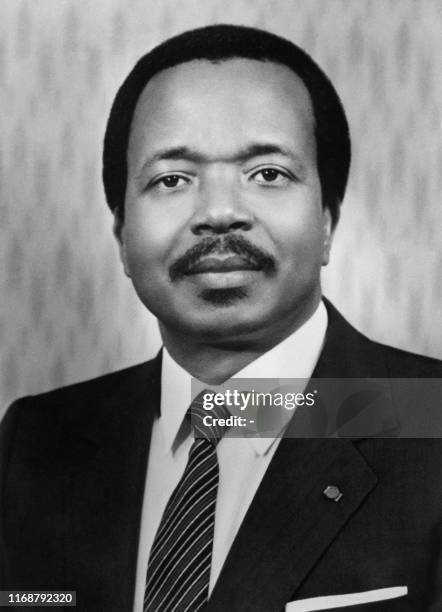
Cameroon’s 92-Year-Old President Paul Biya Wins Eighth Term Amid Fraud Allegations, Rising Tensions
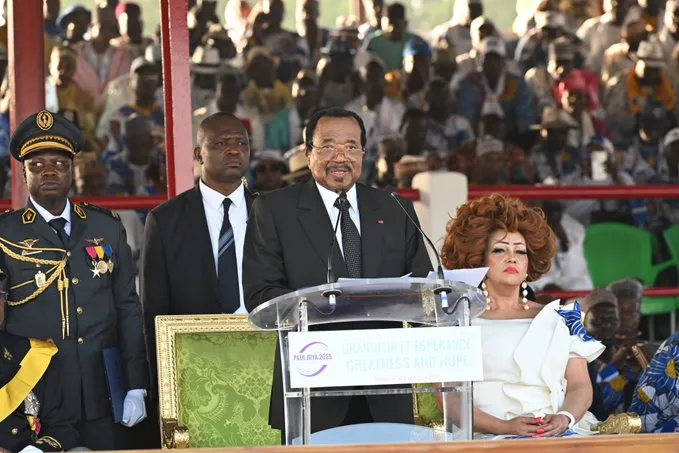
Cameroon’s long-serving leader, President Paul Biya, has been declared the winner of the country’s 12 October presidential election, extending his grip on power into a fifth decade, according to official results announced on Monday.
The Constitutional Council confirmed that the 92-year-old leader secured 53.66 per cent of the vote, defeating his main challenger and former communications minister, Issa Bakary, who garnered 35.19 per cent.
Voter turnout stood at 57.76 per cent, a sharp decline from the 67 per cent average recorded in Cameroon’s last three presidential elections.
The result hands Mr Biya, already the world’s oldest head of state, an eighth consecutive term, potentially keeping him in power until 2032, when he will be nearly 100 years old.
According to the BBC, the declaration came amid heightened tension across the Central African nation. In Douala, the commercial capital, at least four people were killed on Sunday during clashes between protesters and security forces.
Shops and schools in Yaoundé, the national capital, remained closed out of fear of violence, while opposition supporters defied protest bans, accusing the ruling Cameroon People’s Democratic Movement (CPDM) of attempting to “steal victory.”
Mr Bakary, who served as Biya’s communications minister before turning opponent, rejected the official results, insisting that his party’s parallel vote count showed he had won with 55 per cent.
Shortly after the results were announced, Mr Bakary alleged that security forces opened fire near his residence in Garoua, his home city and political stronghold.
“Right now at my home in Garoua, they are firing on civilians camped outside. The assault has begun,” he posted on social media.
Mr Biya’s continued rule comes as Cameroon battles multiple political, economic, and security crises.
Since taking power in 1982, after the resignation of Ahmadou Ahidjo, Biya initially promised democratic reforms and modernization. However, critics say he has since entrenched authoritarian control through constitutional amendments, election manipulation, and crackdowns on dissent.
Cameroon has for years struggled with a violent separatist insurgency in its English-speaking northwest and southwest regions, where armed groups continue to demand independence.
According to Africa Report, separatist fighters boycotted the election and threatened residents who attempted to vote.
Meanwhile, youth unemployment hovers around 40 per cent, and basic infrastructure—from roads to hospitals—continues to deteriorate.
Biya’s supporters, however, credit him for expanding educational infrastructure and peacefully resolving the Bakassi Peninsula dispute with Nigeria in 2006. Yet, his critics argue that these gains have been overshadowed by corruption, repression, and economic stagnation.
Although Biya’s victory was widely expected, the result has drawn scepticism from local and international observers. Opposition groups accused the government of vote rigging, intimidation, and ballot stuffing, allegations the CPDM strongly denies.
Reports suggest that Biya privately offered Mr Bakary the post of Prime Minister in a conciliatory gesture after the tense election, but the opposition leader rejected the offer, insisting on what he called the “truth of the ballot box.”
Other candidates performed poorly: Cabral Libii (3.41%), Bello Maïgari (2.45%), Tomaïno Njoya (1.66%), and Joshua Osih (1.21%). The remaining contenders failed to secure even 1 per cent of the vote.
Analysts warn that the post-election unrest could push Cameroon closer to instability, reminiscent of the 1992 and 2018 crises, when opposition candidates John Ndi and Maurice Kamto also claimed victory but were sidelined by the regime.
Mr Biya’s age and long absences from public view have long fuelled speculation about his health. Known for spending long stretches in Switzerland and France, he has faced persistent rumours of ill health or even death—claims the presidency regularly dismisses.
During the 2025 campaign, Biya appeared publicly only once, telling supporters, “The best is still to come.”
Critics argue that his continued leadership offers little hope for change in a nation facing mounting economic hardship and deepening social divisions.
If he completes his new seven-year term, Paul Biya will have ruled Cameroon for 50 years, joining Teodoro Obiang Nguema Mbasogo of Equatorial Guinea as one of the longest-serving leaders in the world.
As of press time, international observers have not independently verified the reported vote tallies or allegations of fraud. The African Union and Francophonie observers are expected to release their final assessments in the coming weeks.
Meanwhile, civil society groups and local journalists continue to document evidence of irregularities, with opposition parties calling for an independent audit of the election results.