





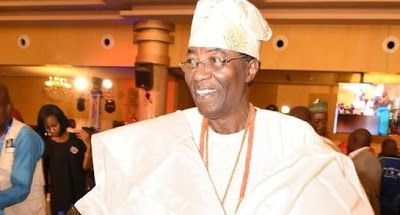
Otunba Gbenga Daniel’s political legacy goes beyond Ogun State — it redefined governance in the Southwest and continues to influence Nigeria’s democratic leadership
Part 4: The Political Dimension — How OGD Redefined Leadership and Governance in the Southwest
Lukman OMIKUNLE
In the political chronicle of Nigeria’s Fourth Republic, few figures have demonstrated the blend of strategic intellect, administrative innovation, and enduring relevance that defines Otunba Gbenga Daniel (OGD) — engineer, statesman, and political pathfinder.
As a two-term Governor of Ogun State (2003–2011), OGD not only transformed the physical and economic landscape of the Gateway State but also reshaped the very architecture of leadership and governance across the Southwest. His political journey — from technocrat to governor, and now senator — offers an illuminating study in the art of staying relevant without losing authenticity.
A Political Brand Rooted in Vision and Service
From the outset, Gbenga Daniel distinguished himself as a governor with a difference — a leader driven by vision rather than vanity. His approach to politics was methodical: build institutions, empower people, and let results speak louder than rhetoric.
His government was defined by structure and purpose. He reengineered public service, promoted transparency, and redefined the relationship between government and the governed. To OGD, politics was not a game of power — it was a vehicle for purpose.
“OGD’s politics was rooted in the principle that governance must leave footprints,” said a political observer in Abeokuta. “He saw public office as an engineering project — one that required precision, discipline, and measurable outcomes.”
The Emergence of a New Leadership Philosophy
Before Daniel’s emergence, politics in the Southwest was largely defined by ideological orthodoxy and patronage-driven leadership. OGD introduced a different model — the politics of competence.
He fused his engineering background with pragmatic governance, creating what became known in Ogun as the “Blueprint for Modern Leadership.” This template balanced development with inclusivity — building bridges between the elite and the grassroots, between urban progress and rural upliftment.
Through initiatives like youth empowerment programs, rural electrification, and educational reforms, Daniel cultivated a leadership identity anchored in results.
“He demystified governance,” noted a former commissioner. “For him, politics was about performance, not propaganda.”
From Ogun to the Southwest: The Ripple Effect
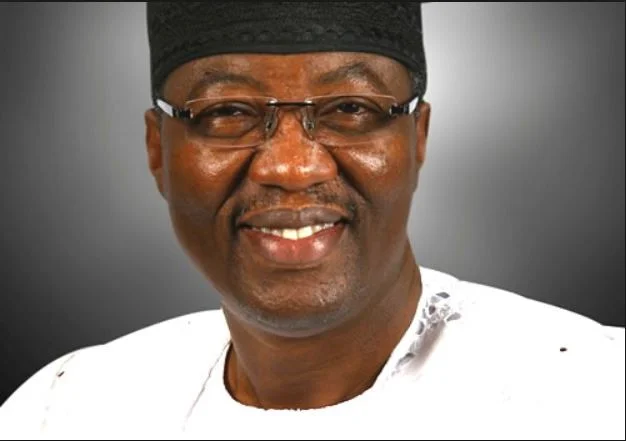
OGD’s style of governance and political engagement transcended Ogun’s borders. His success in industrialization, urban renewal, and grassroots development inspired a generation of younger politicians across the Southwest.
His tenure became a case study in balancing technocracy with empathy — a trait that redefined expectations of governors in the region. Successive leaders, from Lagos to Ekiti, adopted aspects of his people-centric approach to governance.
The “Gateway Model” — a term coined during his administration — became synonymous with strategic planning, youth inclusion, and infrastructure-driven progress.
Building Bridges, Not Walls: The Politics of Relationship
One of OGD’s greatest political strengths has been his ability to build alliances across divides — ethnic, religious, and partisan.
He has maintained cordial relationships with political heavyweights across Nigeria’s spectrum — from former Presidents Olusegun Obasanjo and Goodluck Jonathan to current power brokers in the All Progressives Congress (APC) and the Peoples Democratic Party (PDP).
This bridge-building capacity explains his smooth political reintegration when he joined the APC and his emergence as the Senator representing Ogun East — a move that solidified his status as a cross-party statesman.
“Daniel represents the best of political maturity — a man who knows when to fight, when to build, and when to unify,” said a political analyst in Ijebu Ode.
Mentorship and Political Institution Building
Beyond office, OGD has mentored a new generation of leaders who now occupy key positions in politics, business, and civil service. His commitment to leadership development led to the creation of initiatives like the Political Academy and numerous civic empowerment programs that groom young Nigerians for public service.
Through his Gateway Front Foundation (GFF) and personal mentorship network, Daniel cultivated hundreds of mentees who continue to advance his philosophy of purposeful leadership.
“He didn’t just lead; he raised leaders,” remarked a former aide. “That’s the true measure of his political legacy.”
From Gateway House to the Red Chamber: The Continuity of Purpose
In 2023, when OGD was elected Senator for Ogun East, it marked not just a return to active politics but a reaffirmation of trust from the people. His legislative focus — on industrial expansion, infrastructure development, and human capital investment — mirrors his gubernatorial blueprint.
At the National Assembly, he has become a voice for balanced federalism, resource control, and rural development — continuing his lifelong advocacy for equitable governance.
His political relevance remains undimmed because his leadership is not transactional; it is transformational.
The OGD Doctrine: Redefining Governance in the Southwest
Political historians often describe the “OGD Doctrine” as a philosophy that blends technocratic efficiency with social compassion — a model that places people at the heart of policy.
He demonstrated that good governance requires both intellect and empathy, both planning and participation. His insistence on measurable impact and accountability raised the performance bar for Southwest governors and continues to influence governance discourse today.
“OGD redefined what it means to be a progressive,” said a political scholar. “He showed that progressivism is not just ideology — it’s impact.”
A Lasting Influence in Nigeria’s Democratic Landscape
Twenty years after first assuming public office, Otunba Gbenga Daniel remains a respected figure across Nigeria’s political divide — not just for his achievements, but for his consistency.
He stands today as a living bridge between the old guard and the next generation, a politician who mastered reinvention without losing relevance.
His enduring influence lies in his ability to turn politics into purpose and leadership into legacy.
Conclusion: The Statesman Beyond Seasons
As Nigeria continues to evolve democratically, the story of OGD serves as a reminder that visionary leadership does not fade with time — it adapts, influences, and inspires.
From the construction of roads and factories to the construction of minds and institutions, Otunba Gbenga Daniel has built a legacy that transcends elections and outlasts eras.
In the political history of the Southwest, his name stands not just as a former governor — but as an idea: that governance, at its best, is service with foresight.
OGD is not just a man of his time; he is a man whose time never ends. Read More