




As Nigeria’s landmark tax reforms take effect from January 1, 2026, the National Assembly has directed the release of certified true copies of the harmonised tax bills signed by President Tinubu
Nigerian Tax Reforms Kick Off: Assembly Releases Certified Bills Amid Controversy – What You Need to Know!
Nigeria’s highly anticipated tax reforms officially commenced on January 1, 2026, ushering in a new era of streamlined, fairer taxation aimed at boosting revenue while easing burdens on everyday citizens and small businesses.
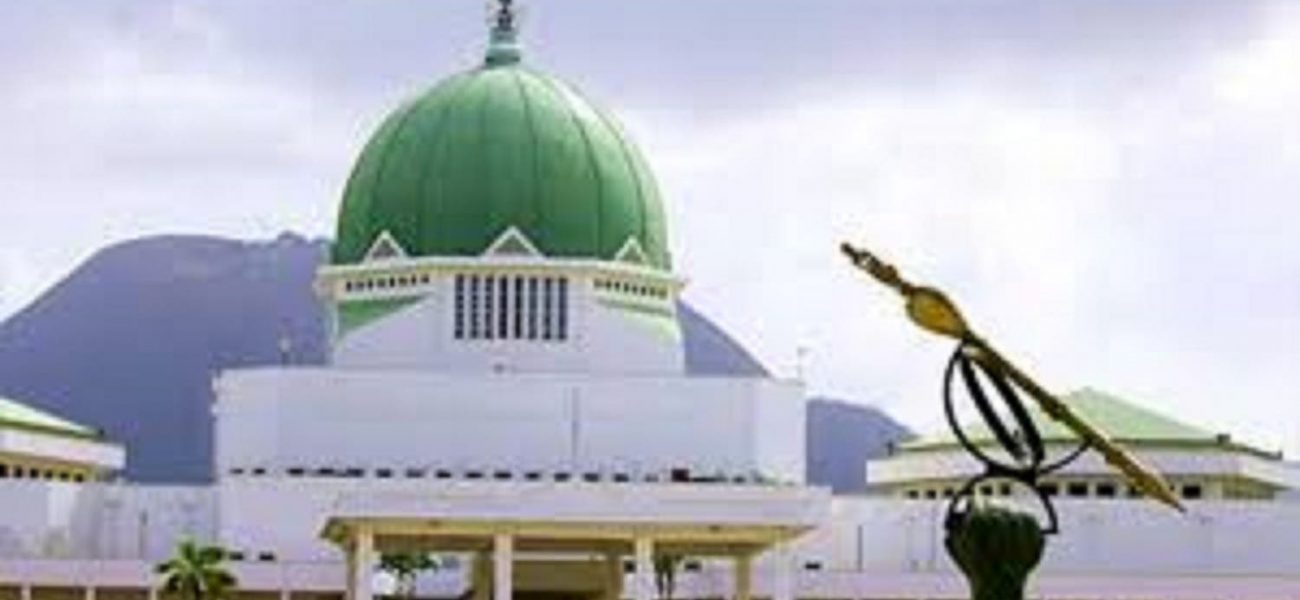
In a bold move to promote openness and squash lingering doubts, the National Assembly has directed the release of Certified True Copies (CTCs) of the harmonised tax bills — the Nigeria Tax Act, Nigeria Tax Administration Act, National Revenue Service (Establishment) Act, and Joint Revenue Board (Establishment) Act — all signed into law by President Bola Ahmed Tinubu on June 26, 2025.
Clerk to the National Assembly, Kamoru Ogunlana, confirmed the directive, stating that the public can now access the transmitted bills for independent verification.
“The leadership has directed the Clerk to make available the transmitted Tax Bills duly signed by the President, including the certified pages, to enable members of the public independently verify the facts,” Ogunlana said.
The step comes after heated public debates and allegations of discrepancies between the National Assembly’s Votes and Proceedings and the gazetted versions in circulation. Ogunlana noted that while interest in the reforms has been intense, only a handful of formal requests for CTCs have been received — all of which were promptly processed.
Interested Nigerians can still apply to the Office of the Clerk upon payment of prescribed fees. Ogunlana added that his office is collaborating with the Federal Government Printing Press (FGPP) for timely publication of the certified laws.
“While the Clerk initiates the gazetting process, the statutory responsibility for printing and publication rests with the Federal Government Printing Press,” Ogunlana stated.
To prevent future controversies, the Assembly has rolled out new safeguards: all bills for presidential assent will now route through Presidential Liaison Officers, and no gazetting requests will be accepted by the Printing Press unless initiated by the Clerk or an authorised representative.
Ogunlana reassured citizens: “The National Assembly remains committed to transparency, accountability, and professionalism in the discharge of its constitutional responsibilities.”
Voices of Caution and Support
The Christian Association of Nigeria (CAN) used its New Year message to call for measured implementation.
“As fiscal, tax, and other policy reforms continue, CAN calls for wisdom, fairness, and restraint,” said CAN President, Archbishop Daniel Okoh.
“As the nation continues to speak about reforms, recovery, and growth, CAN affirms that progress must translate into lived realities. Economic advancement must be evident in the daily lives of citizens – when food is affordable, healthcare is accessible, education is attainable, and meaningful work is available. Development that does not touch ordinary lives remains incomplete,” Okoh said.
On the flip side, former President of the Chartered Institute of Taxation of Nigeria (CITN), Mrs Gladys Simplice, urged Nigerians to welcome the changes.
She attributed much of the resistance to wealthy individuals dodging higher compliance, calling it a “mindset issue.”
“Taxes are what build nations. We cannot continue to complain about poor infrastructure and still resist the very instrument used to fix it,” Simplice said.
Simplice highlighted the progressive design: individuals earning up to certain low thresholds (notably protecting those with annual incomes around N800,000 or less after reliefs) face little to no tax, while small businesses with turnovers below N100 million benefit from exemptions and reduced multiple taxation.
“The reforms represent a major shift in the nation’s tax system by protecting low-income earners, who have historically carried a disproportionate share of the tax burden,” she said.
“High-income earners are instigating others to attack the law because it will affect them. They have been avoiding their obligations for decades,” Simplice told the News Agency of Nigeria (NAN).
She praised features like the self-assessment system and better data integration, which will curb under-declaration.
Tech Innovation Steps In
Adding practical help to the mix, technology expert Oluwaferanmi Oladepo has unveiled Kaanta, an AI-powered tool that simplifies compliance via WhatsApp.
The platform guides traders, SMEs, professionals, and individuals on tax calculations, requirements, and reliefs. It supports text, voice, handwritten notes, and local languages including Yoruba, Igbo, Hausa, and Pidgin — making it accessible to non-English speakers.
Oladepo emphasized that Kaanta will empower Nigerians to navigate the new tax landscape efficiently and confidently.
With transparency measures in place, expert endorsements, and innovative tools emerging, Nigeria’s tax overhaul aims to foster fairness, growth, and trust. As the reforms unfold, public engagement will be key to their success. Stay informed and verify directly where possible!