






Fuji icon KWAM 1 petitions Ogun State Government over alleged exclusion from the Awujale of Ijebuland nomination process, citing legal and customary breaches
KWAM 1 Takes On Ogun Govt Over Awujale Throne, Alleges Plot to Exclude Him from Ijebuland Kingship Race
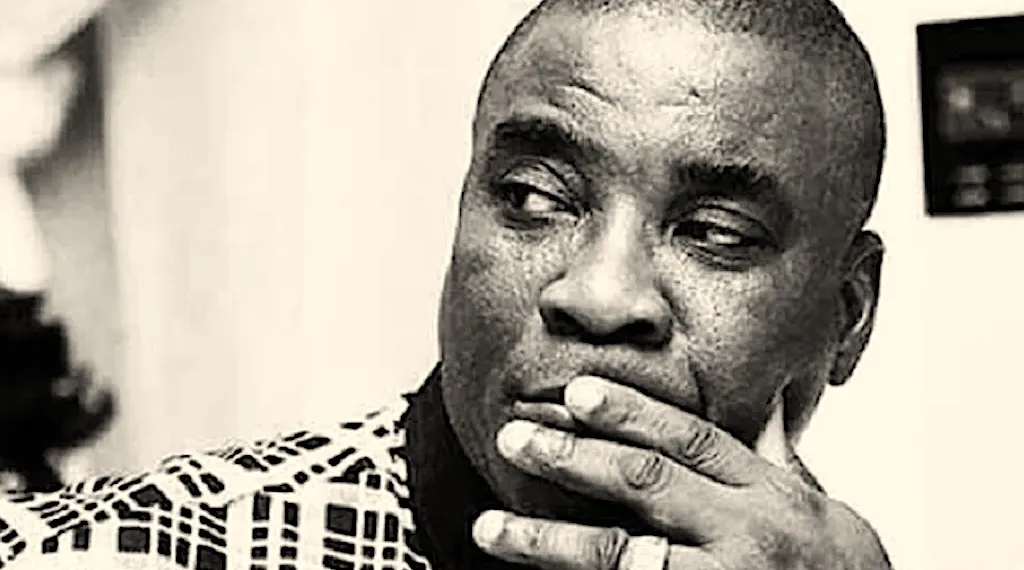
Fuji music legend King Wasiu Ayinde Marshal (KWAM 1) has taken a dramatic step into the heart of traditional politics, formally petitioning the Ogun State Government over what he describes as his wrongful exclusion from the nomination process to fill the vacant stool of the Awujale of Ijebuland.
In a strongly worded petition dated January 14, 2026, KWAM 1—whose real name is Wasiu Adewale Olasunkanmi Adesanya—challenged the conduct of the Fusengbuwa Ruling House nomination exercise, alleging serious procedural violations, breach of customary law, and denial of his constitutional right to fair hearing.
The petition, addressed to the Ogun State Executive Council through the Commissioner for Local Government and Chieftaincy Affairs, was prepared by his legal team led by prominent constitutional lawyer Wahab Shittu, SAN.
According to the petition, Adesanya is an acknowledged and eligible prince of the Fusengbuwa Ruling House and a legitimate aspirant to the Awujale stool, which became vacant following the death of the revered monarch, Oba Sikiru Kayode Adetona.
The document revealed that the Ijebu-Ode Local Government had issued formal invitations to members of the ruling house for a statutory meeting scheduled for January 12, 2026, in line with Ogun State chieftaincy regulations and long-established Ijebu customary law.
However, events at the venue—Bisrod Hotel, Ijebu-Ode—reportedly took a controversial turn.
KWAM 1 alleged that he and several other qualified princes and princesses were forcefully prevented from accessing the meeting venue.
According to the petition, heavily armed security personnel, including police officers, were deployed to block entry, while only individuals carrying specially issued “delegate cards” were allowed into the hall.
“This system of delegates was unilaterally introduced and never agreed upon by our client or other legitimate members of the ruling house,” the petition stated.
His legal team described the arrangement as a deliberate act of disenfranchisement, alien to both customary practice and statutory provisions governing chieftaincy matters in Ogun State.
A list of over 15 princes and princesses allegedly barred from the meeting was attached to the petition, alongside a flash drive containing video evidence of the incident.
The petition argued that the January 12 nomination exercise violated Section 16(1)(f) of the Obas and Chiefs, Council of Obas and Traditional Council Law of Ogun State, 2021, which mandates that candidates must be nominated at a properly constituted meeting of the ruling house.
It further alleged violations of the Awujale of Ijebuland Chieftaincy Declaration and Section 36(1) of the 1999 Constitution (as amended), which guarantees the right to fair hearing.
To reinforce its argument, the legal team cited landmark Supreme Court judgments, including Kotoye v. CBN and Longe v. FBN Plc, asserting that any decision taken at a meeting where affected parties are intentionally excluded is legally null and void.
“The arbitrary exclusion of eligible members from a process as significant as the nomination of an Awujale is repugnant to natural justice, equity, and good conscience,” the petition declared.
Demands to Ogun State Government
KWAM 1 urged the Ogun State Executive Council to take immediate action by:
- Declaring the January 12, 2026 nomination exercise null and void
- Ordering a fresh, transparent, and inclusive nomination process
- Ensuring strict compliance with chieftaincy laws and customary rules
- Preventing further exclusion of eligible members of the Fusengbuwa Ruling House
The petition warned that failure to act promptly would leave the Fuji icon with no option but to seek judicial intervention.
The development has set the stage for a high-stakes legal and traditional confrontation over one of Yorubaland’s most revered royal stools.
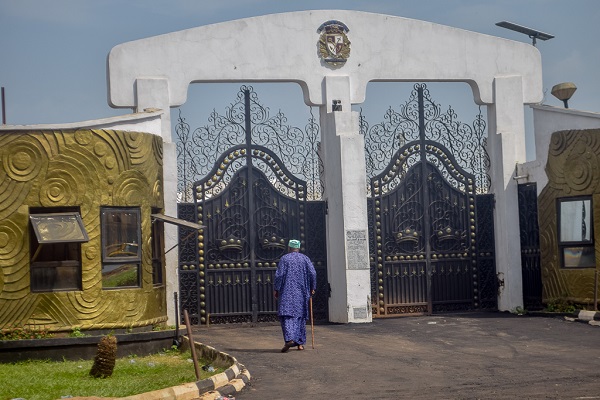
Beyond its cultural significance, the Awujale of Ijebuland occupies a powerful position in Ogun State’s socio-political landscape, making the unfolding dispute one that could reshape both traditional authority and chieftaincy governance in the state.
As tensions rise, all eyes are now on the Ogun State Government and how it will navigate the delicate intersection of law, tradition, and royal succession.