
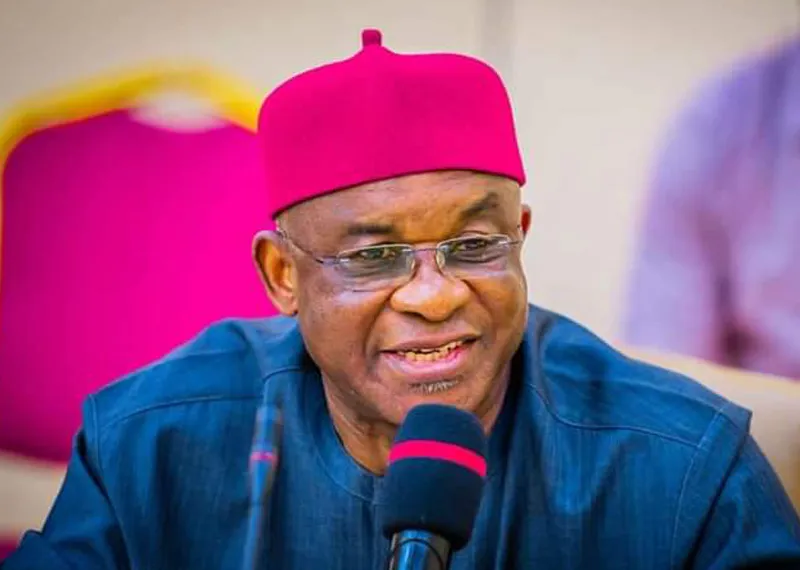



Former Senate President David Mark argues one four-year term is insufficient for National Assembly members to master their roles and deliver effectively
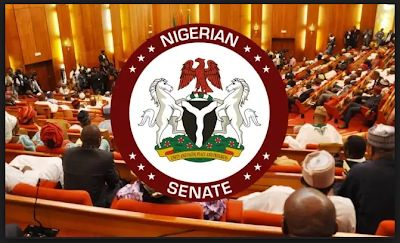
David Mark: “Single Term Not Enough”—Former Senate President Pushes for Longer Tenures in National Assembly
Former Senate President David Mark has sparked fresh debate on legislative effectiveness, declaring that a single four-year term is simply “not enough” for members of the National Assembly to perform at their best.
Speaking on Saturday at the launch of the book The Burden of Legislators in Nigeria by former Senator Effiong Bob (published by Premium Times Books), Mark—now National Chairman of the opposition African Democratic Congress (ADC)—drew from his own 20-year experience in the Senate to make a passionate case for allowing lawmakers multiple terms.
Mark, a retired brigadier general who represented Benue South Senatorial District from 1999 until 2019 across four terms, argued that newcomers spend their first four years simply finding their feet.
“I want to appeal that members, legislators, are giving more than one term, two terms, three terms. I spent 20 years in the Senate, and I’m very grateful to my electorate and constituency for giving me that opportunity,” he said.
“(In) the first four years in the National Assembly, you don’t know your way around. You are just lost. You need more than that,” he added.
He recalled mastering Senate rules so thoroughly in his later years that he no longer needed a rule book. Mark criticized the common practice in some constituencies of limiting representatives to one or two terms, warning that it prevents meaningful impact.
“The point I’m trying to emphasise is, this business of saying our own area here is only one term or two terms, then as soon as they elect you, (they say) ‘you are not going to spend more than four years, so make maximum use of it’. The maximum use will not be in four years.”
Mark also commended author Effiong Bob for boldly documenting the real challenges lawmakers face, blending personal anecdotes with broader insights.
While acknowledging that some burdens stem from election promises, he stressed that most pressures come externally—from constituents demanding constant aid, state governors controlling party tickets, the executive, judiciary, and even political parties.
“I don’t know how many of you here have contested the election, but the moment you are named by the party as an aspirant, either through your own desire or by imposition, you become ‘Father Christmas’. You have to,” he said.
“From that point onwards, you solve all sorts of problems, you pay school fees, people who come with medical bills, with school fees, rent, everything. And God bless you, if you don’t respond positively, you try to say this is too early. They will tell you, they are not ready for this business.”
He recounted pleading with a governor for a legislator’s return ticket—only to be bluntly refused: “I begged one of the governors for one of my legislators to be given a return ticket. You know what he told me? He said, ‘I will not give him’. Because he’s in charge of the party at the state level.”
Mark highlighted the insecurity of tenure, with court challenges lingering for years, and parties exerting ongoing leverage: “If you don’t do it, they say, ‘we won’t give you a ticket the next time around.’”
His remarks come as Nigeria grapples with governance reforms ahead of 2027 elections, with Mark’s long Senate tenure often cited as a model of institutional memory and influence. The call for longer service could reignite discussions on term limits, experience versus fresh ideas, and the true independence of legislators in Nigeria’s democracy. Read More