
Presidency Demands Probe as El-Rufai Admits Intercepting Ribadu’s Call
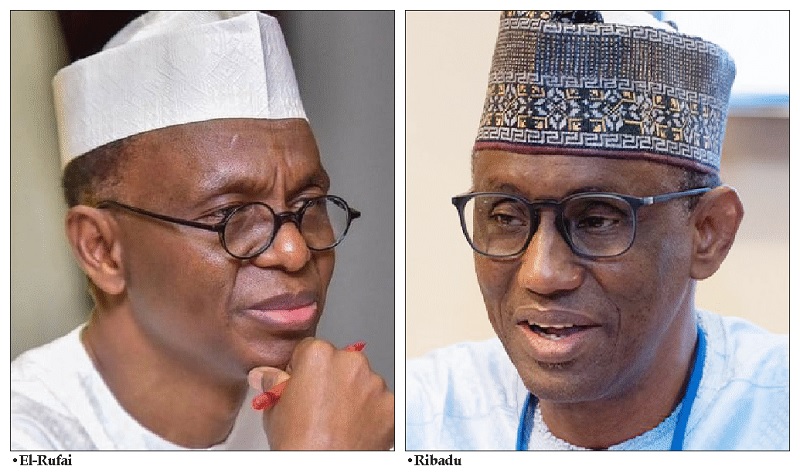
The Presidency has called for an investigation into former Kaduna State Governor Nasir El-Rufai following his public admission that he accessed an intercepted telephone conversation involving the National Security Adviser, Nuhu Ribadu.
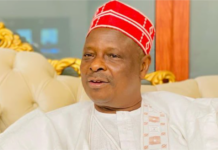
El-Rufai, during an interview on Arise Television, disclosed that he and his associates listened to a phone call allegedly made by Ribadu directing security operatives to arrest him.
“He made the call because we listened to their call,” El-Rufai said, adding that “someone tapped his phone” and relayed the information to him. When reminded that such action was illegal, the former governor reportedly acknowledged the illegality but insisted “government thinks they are the only ones that listen to calls, but we also have our ways.”
Reacting, Special Adviser to President Bola Ahmed Tinubu on Information and Strategy, Bayo Onanuga, questioned whether El-Rufai possessed wire-tapping facilities and called for a thorough probe.
“This should be thoroughly investigated, and punishment meted out. El-Rufai is not too big to face the wrath of the law,” Onanuga wrote on X.
Senior presidential aide Temitope Ajayi also expressed shock, suggesting that if invited for questioning, El-Rufai might frame it as political persecution.
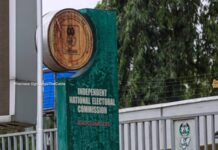
Social commentator Reno Omokri described the alleged interception as criminal and dangerous, warning that unauthorised surveillance could threaten national security and democratic institutions, including the Independent National Electoral Commission (INEC).
“Tapping a phone call without a court order is a crime. Admitting it on live television is callous,” Omokri stated, questioning who else may have been targeted.
Human rights activist Abba Hikima similarly warned that any unauthorised monitoring of the NSA’s communications undermines public trust and the integrity of Nigeria’s security architecture.
Amid the controversy, former Kano State Governor Abdullahi Ganduje rejected allegations linking him to the disappearance of social critic Abubakar Idris, popularly known as Dadiyata.
Through his aide, Ganduje described the claims as reckless and politically motivated, insisting that responsibility for security in Kaduna at the time rested with the El-Rufai administration.
He called for scrutiny of El-Rufai’s statements and urged that any claims be backed by verifiable evidence rather than political rhetoric.
Dadiyata, a lecturer at Federal University Dutsin-Ma, was abducted in Kaduna in August 2019, and his whereabouts remain unknown.
Former Kaduna Central Senator Shehu Sani called for a comprehensive investigation into El-Rufai’s eight-year tenure, alleging financial mismanagement, rights violations and insecurity during the period.
He urged the Economic and Financial Crimes Commission (EFCC) to examine activities between 2015 and 2023, describing the era as one of hardship and repression.
Human rights defender Steven Kefas also accused El-Rufai’s administration of orchestrating his arrest in 2019, alleging that security personnel tracked and detained him without a warrant. Kefas, who now lives in exile, claimed public exposure of his arrest prevented a worse outcome.
The controversy has intensified political tensions, with calls growing for law enforcement agencies to clarify whether any illegal surveillance occurred and, if so, who authorised it.
As reactions mount, the spotlight remains on whether authorities will open a formal investigation into the former governor’s televised remarks — a development many observers say could test the country’s commitment to rule of law and national security safeguards. Read More