





Food Inflation Drops to 8.89% Lowest in 14 Years as Headline Rate Eases to 15.10%
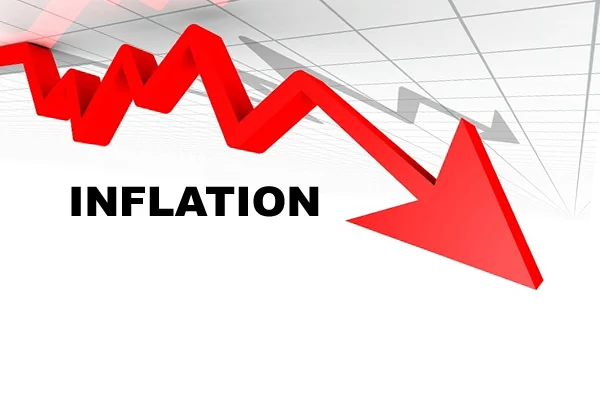
Nigeria’s food inflation rate declined sharply to 8.89 per cent year-on-year in January 2026 the lowest level recorded in more than 14 years — according to the latest Consumer Price Index (CPI) report released by the National Bureau of Statistics (NBS).
The figure marks the first single-digit food inflation reading in 128 months and the lowest since August 2011, when the rate stood at 8.66 per cent. From June 2015, food inflation remained in double digits until December 2025.
Data from the NBS showed that food inflation plunged from 29.63 per cent in January 2025 to 8.89 per cent in January 2026 — a 20.73 percentage-point drop within one year. On a month-on-month basis, food prices contracted by 6.02 per cent in January, compared with a 0.36 per cent decline recorded in December 2025.
The bureau attributed the slowdown to lower average prices of staples such as yam, eggs, green peas, groundnut oil, soya beans, palm oil, maize, beans, beef and cassava.
Headline inflation also eased marginally to 15.10 per cent in January 2026 from 15.15 per cent in December 2025 — defying earlier projections by analysts who anticipated a spike to 19 per cent.
The CPI declined to 127.4 in January from 131.2 in December, reflecting a 3.8-point drop. Year-on-year, headline inflation was 12.51 percentage points lower than the 27.61 per cent recorded in January 2025, marking the lowest reading since November 2020.
Month-on-month, headline inflation stood at negative 2.88 per cent, indicating an overall decline in average price levels during the month.
Core inflation which excludes volatile agricultural produce and energy moderated to 17.72 per cent year-on-year, down from 25.27 per cent in January 2025.
State Variations
At the state level, Benue recorded the highest year-on-year headline inflation rate at 22.48 per cent, followed by Kogi and the Federal Capital Territory. Ebonyi, Katsina and Imo posted the lowest rates.
For food inflation, Kogi recorded the highest year-on-year rate at 19.84 per cent, while Ebonyi, Abia and Imo recorded the slowest increases.
Despite the encouraging figures, members of the Organised Private Sector cautioned against premature celebration.
The National Vice President of the National Association of Small-Scale Industrialists (NASSI), Kuti-George, attributed the moderation to increased agricultural production and relative exchange rate stability, noting that the naira had steadied around N1,350 to the dollar.
However, Director-General of the National Association of Small and Medium Enterprises (NASME), Eke Ubiji, argued that the lower inflation rate had yet to translate into meaningful relief for consumers.
“Cost of living is still very high. Even if you carry N10,000 to the market, what are you going to buy?” he queried, citing persistent increases in the prices of gas, rice and other essentials.
While analysts acknowledge the broad-based easing in price pressures — largely driven by food costs — elevated 12-month averages suggest that the effects of previous inflation spikes are still embedded in the overall price structure.
For many Nigerians, the true test will be whether the slowdown in inflation leads to tangible improvements in purchasing power and living standards in the months ahead. Read More