
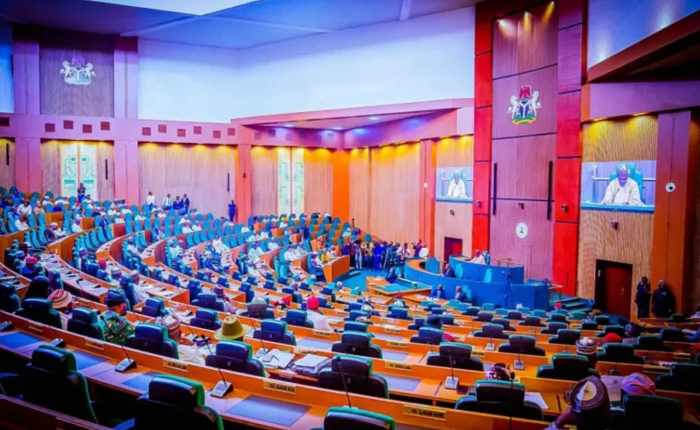




The National Assembly has passed the 2026 Electoral Act Amendment Bill after heated and, at times, rowdy sessions in both chambers, approving electronic transmission of election results while retaining a manual backup in cases of network failure.
The Senate of Nigeria and the House of Representatives ratified Clause 60, which mandates the electronic transmission of results from polling units to the IReV portal.
However, lawmakers rejected calls for mandatory real-time transmission without exceptions, retaining a proviso that allows Form EC8A to serve as the primary source of collation where electronic transmission fails.
In a significant amendment, lawmakers reduced the timeline for election notification from 360 days to 300 days before the poll.
The decision followed concerns raised after the Independent National Electoral Commission (INEC) announced February 20 for the 2027 Presidential and National Assembly elections and March 6 for governorship and state assembly polls — dates that may clash with Ramadan and the Christian Lenten season.
If assented to by the President, the new timeline will give INEC more flexibility in adjusting election dates.
Proceedings in the Senate turned tense as senators debated the controversial proviso in Clause 60(3). Senator Enyinnaya Abaribe demanded a formal division, triggering heated exchanges on the floor.
After voting, Senate President Godswill Akpabio announced that 55 senators voted to retain the proviso allowing manual transmission in the event of network failure, while 15 voted for mandatory real-time electronic transmission without exceptions.
Akpabio described the amendment as a balance between innovation and electoral stability, noting that polling unit results uploaded to IReV would enhance transparency while preventing repeated elections due to technical glitches.
The House of Representatives also witnessed dramatic scenes, including protests and a walkout by opposition lawmakers who rejected the inclusion of the manual backup clause.
Minority lawmakers insisted that in cases of conflict between electronically uploaded results and Form EC8A, the IReV results should prevail. However, the majority, largely from the All Progressives Congress, voted to retain the proviso.
House leadership defended the process as consistent with parliamentary rules, describing the heated exchanges as “democracy in action.”
Direct Primaries, Consensus Mode Approved
Another key amendment approved by lawmakers is the adoption of direct primaries and consensus mode for the selection of party candidates.
The bill was reconsidered following a motion for rescission moved by Senate Leader Opeyemi Bamidele, enabling lawmakers to address drafting inconsistencies and adjust provisions in light of INEC’s announced timetable.
With harmonisation completed by the Conference Committee of both chambers, the bill now awaits presidential assent.
Lawmakers expressed confidence that the amendments would strengthen Nigeria’s electoral process ahead of the 2027 general elections.