

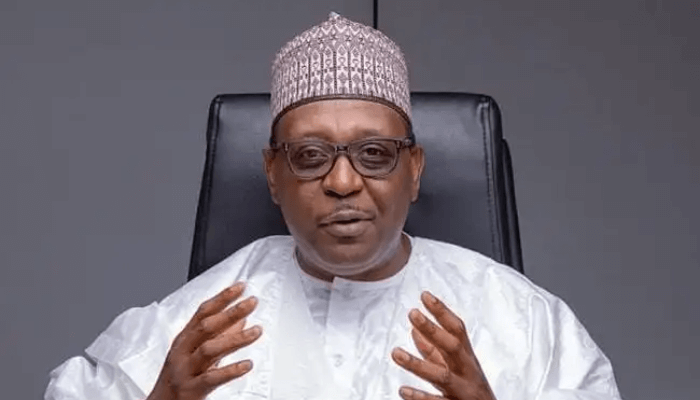




Nigeria’s Coordinating Minister of Health and Social Welfare, Ali Pate, has called for deeper investment in the nation’s healthcare system, even as government spending on the sector reaches its highest level in over a decade.
Speaking on Friday in Abuja at the 25th plenary session of the West African Health Sector Unions Network, organised by the Medical and Health Workers Union of Nigeria, the minister stressed that funding alone is not enough without effective implementation.
Addressing stakeholders on strengthening healthcare delivery systems across West Africa, Pate highlighted the interconnected nature of health systems in the region, noting that developments in one country can have ripple effects across borders, including in Ghana and Nigeria.
He emphasised the importance of regional cooperation and urged African nations to take ownership of their healthcare priorities through initiatives such as the Accra Reset, designed to align health systems with local realities rather than external influence.
Pate disclosed that Nigeria’s health sector now receives six per cent of the national budget—the highest in 15 to 20 years—reflecting renewed government commitment. However, he warned that increased allocation must translate into tangible outcomes through timely fund releases and improved service delivery at federal, state, and local levels.
According to him, multiple tiers of government play critical roles in health financing due to Nigeria’s federal structure, with several states also stepping up their contributions.
He further revealed that ongoing reforms have significantly expanded healthcare access, increasing the number of functional facilities from about 8,000 to 13,000 nationwide. In addition, thousands of frontline health workers are undergoing training to boost primary healthcare delivery.
Describing healthcare workers as the backbone of the system, Pate assured that the government is actively engaging with unions to resolve longstanding workforce concerns through structured negotiations.
“We are committed to achieving fair and lasting solutions,” he said.
The minister concluded by calling for sustained collaboration between governments and health unions, urging stakeholders to remain united in advancing stronger health systems and achieving universal health coverage across West Africa.