




Former petroleum minister Diezani Alison-Madueke denies soliciting luxury gifts at her UK trial, distancing herself from payments linked to oil traders and NNPC dealings
Diezani Alison-Madueke Denies Seeking Luxury Gifts in UK Trial, Says Payments Were Not Her Call
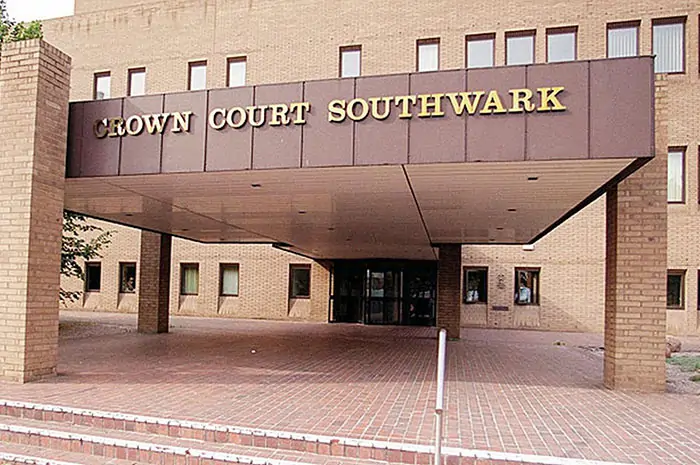
Former Nigerian petroleum minister, Diezani Alison-Madueke, has forcefully rejected allegations that she solicited luxury gifts or benefited improperly from businessmen linked to Nigeria’s oil industry, as her high-profile trial entered its 25th day at Southwark Crown Court.
Facing sustained cross-examination, Alison-Madueke distanced herself from a string of high-value purchases and financial arrangements presented by prosecutors. She insisted that many transactions were carried out independently by associates—particularly oil trader Kolawole Aluko.
The court revisited evidence from 2017, including photographs of luxury items recovered from London properties and storage units. Prosecutors probed her links to Italian designer Vincenzo Caffarella and a catalogue of bespoke furnishings. She denied requesting several items, attributing their acquisition to associates.
A detailed shopping ledger featuring elite retailers such as Harrods and Thomas Goode was also examined. While she acknowledged owning some personal belongings, including designer handbags, she rejected claims that she orchestrated or financed most of the spending.
“I did not ask him to pay for items,” she told the court, explaining that although she sometimes selected goods or shared opinions, payments were made at the discretion of those accompanying her.
Prosecutors pressed on whether such arrangements created a conflict of interest, given that Aluko and businessman Igho Sanomi had business dealings with the Nigerian National Petroleum Corporation during her tenure.
Alison-Madueke maintained she saw no conflict at the time, describing the relationships as strictly personal.
Attention turned to a firm identified as Tenka, described as a service company funded by Aluko. Prosecutors suggested it was used to manage her expenses. She denied knowledge of its funding structure, stating she relied on legal advice before using its services.
“I was not privy to any of this,” she said. “When we needed a service company, it was presented as one, and I sought legal advice, which confirmed it was acceptable.”
She also denied facilitating benefits allegedly extended to her family, including rental arrangements and gift packages, insisting any such contact occurred independently.
On luxury travel, including private jet trips financed by companies linked to associates, she acknowledged some third-party funding but said it related to official duties or health needs. She added that certain official journeys were reimbursed by the NNPC.
Regarding properties in London and Abuja, she confirmed that furnishings in residences she occupied were often paid for by associates, describing them as “significant gifts” from family friends. She admitted she did not consider it necessary at the time to formally declare such gifts.
Prosecutors presented evidence of luxury watches, silverware, and décor items worth tens of thousands of pounds. Alison-Madueke disputed ownership of several items, suggesting some were intended for others or later given away.
She also addressed her relationships with key figures, stating she met Aluko and Olajide Omokore through official channels and had no prior personal ties before assuming office.
Citing the passage of time, she acknowledged difficulty recalling specific transactions but maintained her actions were lawful.
“I have not seen some of these items for 13 years,” she said when shown images linked to the case.
The prosecution is expected to continue its cross-examination, focusing on financial records, asset ownership, and the nature of her relationships with key business figures as it seeks to establish whether any benefits were improperly tied to her role as minister.