
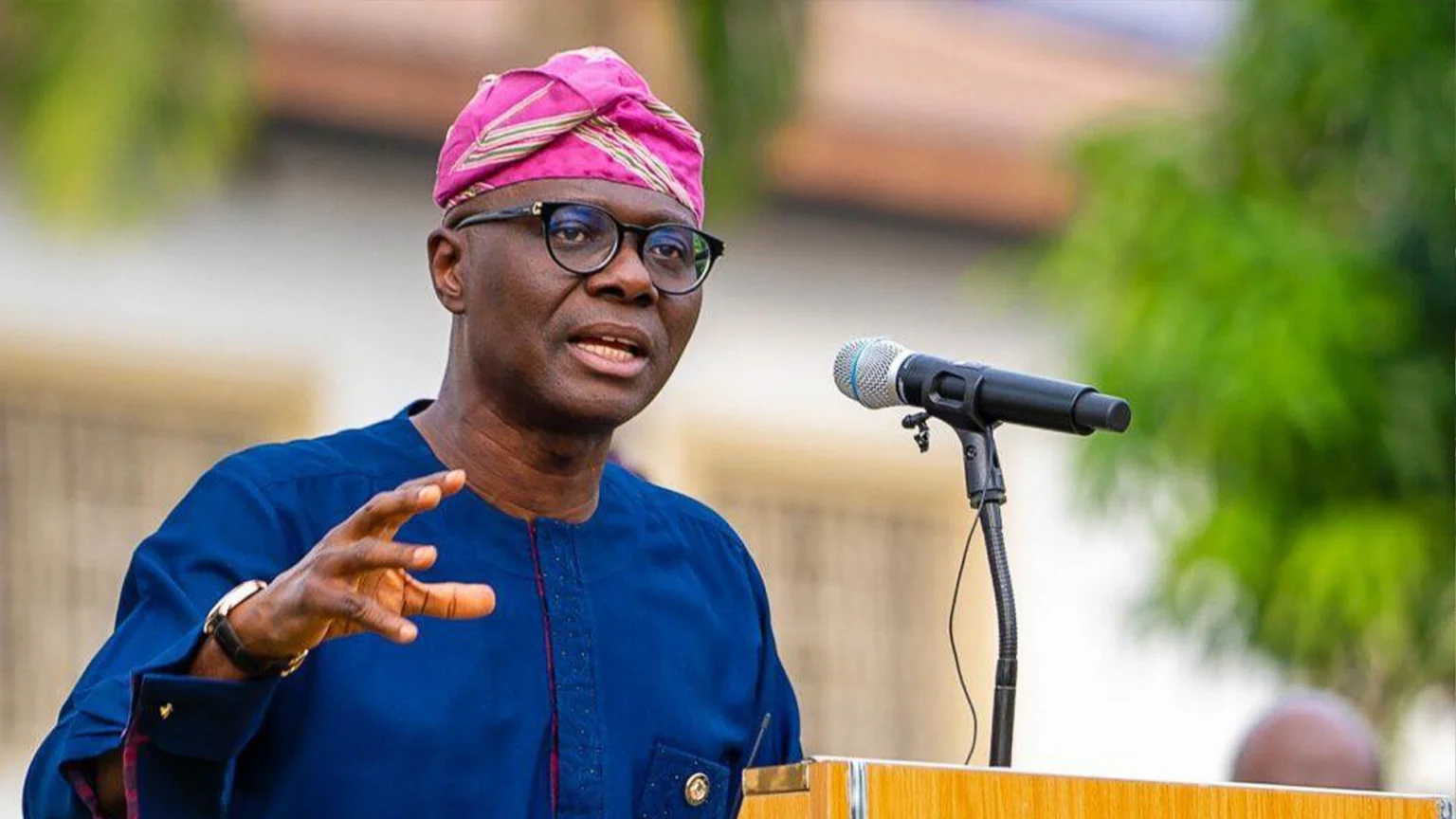



Lagos State Governor Babajide Sanwo-Olu has reaffirmed his administration’s commitment to improving workers’ welfare, assuring that discussions on a possible review of the minimum wage remain ongoing.
Speaking at the 2026 Workers’ Day celebration held at Mobolaji Johnson Arena in Onikan, the governor—represented by his deputy, Dr Obafemi Hamzat—emphasised that workers are central to Lagos’ growth and not merely a budget consideration or political constituency.
He described the workforce as the “living infrastructure” of Africa’s most dynamic city, acknowledging their contributions across sectors. Despite a noticeably lower turnout at this year’s event, the governor’s assurance of better wages drew a positive response from attendees.
The 2026 May Day theme, “Insecurity, Poverty: Bane of Decent Work,” framed discussions around the challenges limiting workers’ productivity and quality of life. Sanwo-Olu noted that insecurity directly affects economic output, stressing that safety in public and professional spaces remains a top priority.
He highlighted ongoing investments in security infrastructure, community policing, and surveillance systems, alongside collaboration with federal agencies, as part of a broader labour-focused agenda.
“Lagos is not great because of its government, but because of its workers,” he said, praising teachers, healthcare workers, artisans, and civil servants for their dedication. He added that while progress has been made, more work lies ahead to ensure the city delivers for its workforce.
Meanwhile, the Committee of Gig Workers’ Unions of Nigeria (COGWUJ) called for urgent reforms to recognise gig workers under Nigerian labour laws. The coalition, comprising 13 unions, demanded access to social protection, pensions, and improved working conditions from both government and technology-driven employers.
The group lamented the current state of gig work in the country, urging broader support and legal backing to safeguard workers in the rapidly expanding digital economy.
In a related development, the Socialist Equality Party (SEP) expressed solidarity with Nigerian workers, arguing that the country’s political landscape does not adequately represent the interests of the working class.
The party criticised major political parties, describing them as indistinguishable in ideology and disconnected from workers’ needs. It called for the formation of a worker-led political movement rooted in socialism and equality, aligned with global efforts to challenge capitalism.
As Nigeria marks Workers’ Day 2026, the calls for wage reform, improved security, and stronger labour representation continue to dominate national discourse.