


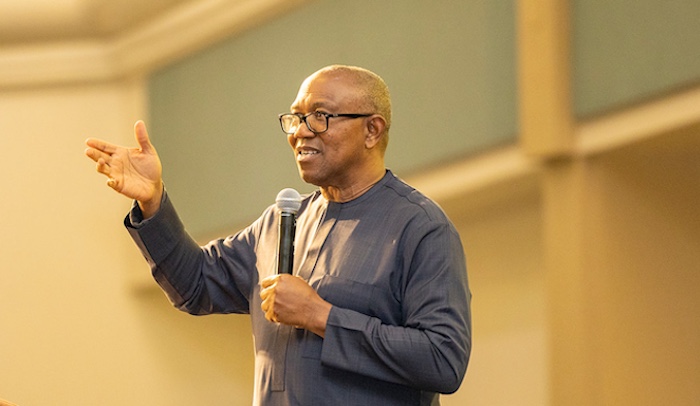




Former presidential candidate Peter Obi has strongly condemned the resurgence of xenophobic attacks in South Africa, expressing deep concern over the safety and wellbeing of Nigerians and other Africans caught in the violence.
In a statement posted on his official X handle, Obi described the renewed attacks as alarming and unacceptable, stressing that no African should feel unsafe anywhere on the continent.
“I have been observing with deep concern the alarming rise in xenophobic attacks in South Africa. I strongly condemn these acts,” he said. “My thoughts are with all those affected—especially our Nigerian brothers and sisters, whose lives, businesses, and dignity are once again under threat. No African should feel unsafe on African soil, or anywhere else.”
Obi also commended Nigeria’s Minister of Foreign Affairs, Bianca Ojukwu, and the ministry for what he described as a swift response to the unfolding situation.
Reflecting on previous episodes of similar violence, the former Anambra State governor recalled visiting affected Nigerians, describing the experience as both painful and revealing.
“I recall my visit to our compatriots during a similar crisis. It was a painful experience that revealed both the suffering and resilience of our people. It also highlighted a fundamental truth: beyond borders, we share a common identity and destiny as Africans,” he noted. “Such experiences should have inspired lasting solutions, not recurring tragedy.”
Obi urged South African authorities to take decisive and sustained action to end the violence, protect lives and property, and bring perpetrators to justice.
“In this regard, I urge the authorities in South Africa to act decisively—to protect lives and property, bring perpetrators to justice, and restore public confidence,” he said. “Leadership must rise to the occasion, making it clear that violence and intolerance have no place in our societies.”
Xenophobic attacks in South Africa have persisted over the years, repeatedly straining diplomatic relations and raising broader concerns about the safety of foreign nationals and the state of unity within Africa.