
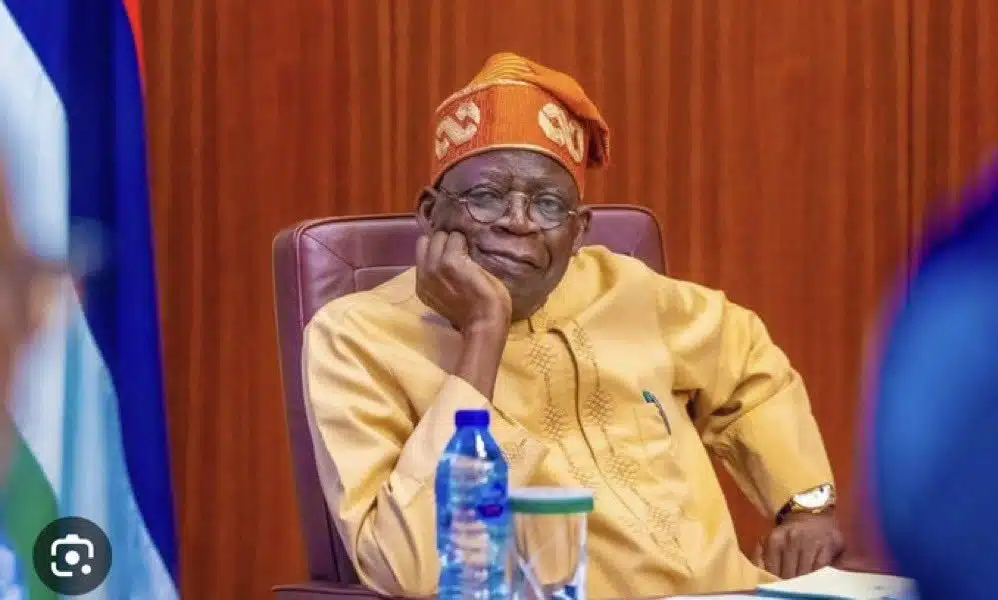

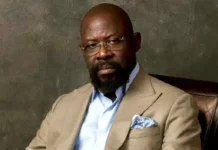

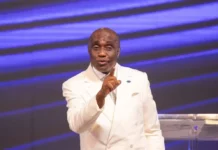
A Senior Advocate of Nigeria and member of President Bola Tinubu’s legal team in the United States, Wole Afolabi, has strongly rejected suggestions linking the Nigerian leader to drug trafficking.
Speaking on Channels Television’s Sunday Politics, Afolabi argued that US authorities would have arrested, detained or prosecuted Tinubu long ago if they possessed credible evidence of involvement in heroin trafficking or related offences.
The comments come amid a Freedom of Information Act lawsuit filed by American Aaron Greenspan seeking investigative records on Tinubu held by the Department of Justice, FBI and Drug Enforcement Administration.
According to Afolabi, thousands of pages have already been released, but the government continues to withhold certain portions. He maintained that the redactions are standard protections for confidential sources, investigative methods and law enforcement personnel — not an effort to shield the Nigerian president.
“The way the system works is this: it’s not what you want, it’s what the law stipulates,” Afolabi said. “It would amount to professional malpractice on our part if we don’t take advantage of what the law offers.”
He pointed to a recent Department of Justice filing that, he said, focused on methodology of information gathering and made no mention of protecting Tinubu.
Afolabi questioned why Tinubu has freely travelled to and from the United States for years without arrest or interview if American agencies held evidence against him. He cited high-profile cases such as former Panamanian leader Manuel Noriega and former British Virgin Islands Premier Andrew Fahie as examples of how the US handles serious drug allegations against prominent figures.
“What’s so special about President Bola Ahmed Tinubu that he would be coming into America and leaving America without being arrested, detained or interviewed for anything?” he asked.
On the well-known $460,000 civil forfeiture linked to accounts associated with Tinubu in the 1990s, Afolabi stressed that forfeiture is not a criminal conviction or indictment. “If he was culpable, he simply would have been indicted. There’s no shortcut around it.”
Bound by attorney-client privilege, he declined to disclose Tinubu’s explanation of the matter, noting that violating confidentiality could cost a lawyer their licence.
Asked directly whether Tinubu had ever been investigated by the FBI or DEA, Afolabi avoided a yes-or-no answer. He noted that anyone can appear in investigative files and cited historical examples, including investigations involving civil rights leader Martin Luther King Jr. under J. Edgar Hoover. “There’s a presumption of innocence,” he said.
Afolabi also defended privacy protections under US law, comparing Tinubu’s position to former US President Donald Trump’s successful use of the Family Educational Rights and Privacy Act to block release of academic records.
Looking ahead to the 2027 presidential election, the SAN played down the political significance of the ongoing records battle. He said Nigerian voters would decide based on the president’s performance and campaign promises, not foreign documents.
“The Nigerian people knew who they voted for… At the end of the day, the election will not be decided on what document exists where. It’s going to be decided by promises made, promises kept.”
Tinubu’s legal team will continue to pursue available protections under US law and await the court’s ruling on the remaining redacted materials.