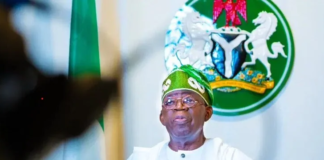



The African Democratic Congress (ADC) has criticised President Bola Ahmed Tinubu’s economic policies, describing the exit of global ride-hailing company Uber from Nigeria as another sign of a worsening business environment.
The party said Uber’s decision to end its operations in Nigeria, after 12 years in the country, was part of a growing trend of international companies shutting down or reducing their activities in the Nigerian market.
Uber announced that it would cease operations in Nigeria from September 2, 2026, following a review of its business activities. The company described the decision as a difficult one.
Reacting to the development in a statement on Thursday, ADC National Publicity Secretary, Bolaji Abdullahi, said the increasing number of companies leaving or scaling down operations contradicted the Federal Government’s claims of economic recovery.
According to the party, it was concerning that the government was celebrating a marginal improvement in GDP growth while businesses were struggling, jobs were being lost and Nigerians were facing rising living costs.
“Certainly, a 0.2% growth does not justify the extreme hardship that Nigerians are suffering,” the ADC stated.
The opposition party also questioned how the reported economic growth had translated into improved living conditions for Nigerians.
It asked the Tinubu administration to explain the significance of the GDP growth to workers whose salaries had lost purchasing power, businesses battling rising energy costs and Nigerians struggling to afford basic food and transportation.
The ADC argued that Uber’s departure highlighted the challenges facing businesses, particularly the rising costs of fuel, transportation and energy.
The party claimed that fuel prices had risen significantly following the removal of fuel subsidy and the devaluation of the naira.
It said its presidential candidate, Atiku Abubakar, had proposed a targeted subsidy aimed at reducing fuel production costs and ultimately lowering the price of petrol, transportation and other essential goods.
The ADC also referenced figures it attributed to the Manufacturers Association of Nigeria, claiming that hundreds of manufacturing companies, including major international brands, had either shut down or stopped operations in the country.
Among the companies it mentioned were Microsoft, Jumia, Bolt Food, Pick n Pay, Shoprite, GlaxoSmithKline (GSK), Sanofi-Aventis, Bayer AG, Procter & Gamble, Unilever and PZ Cussons.
The party particularly cited GSK’s exit from local manufacturing after decades of operations in Nigeria as evidence of what it described as a deteriorating investment climate.
The ADC accused the Tinubu administration of celebrating economic indicators that, in its view, did not reflect the daily experiences of ordinary Nigerians.
“The painful truth is that Tinubu has turned Nigeria into a graveyard of businesses,” the party said, arguing that every major corporate exit represents potential job losses, reduced investment and increased economic hardship.
The opposition party maintained that reducing production costs, particularly energy and fuel expenses, would help businesses remain profitable, preserve jobs and stimulate economic growth.