






Africa Cannot Grow Without Power And Food, Says Tony Elumelu
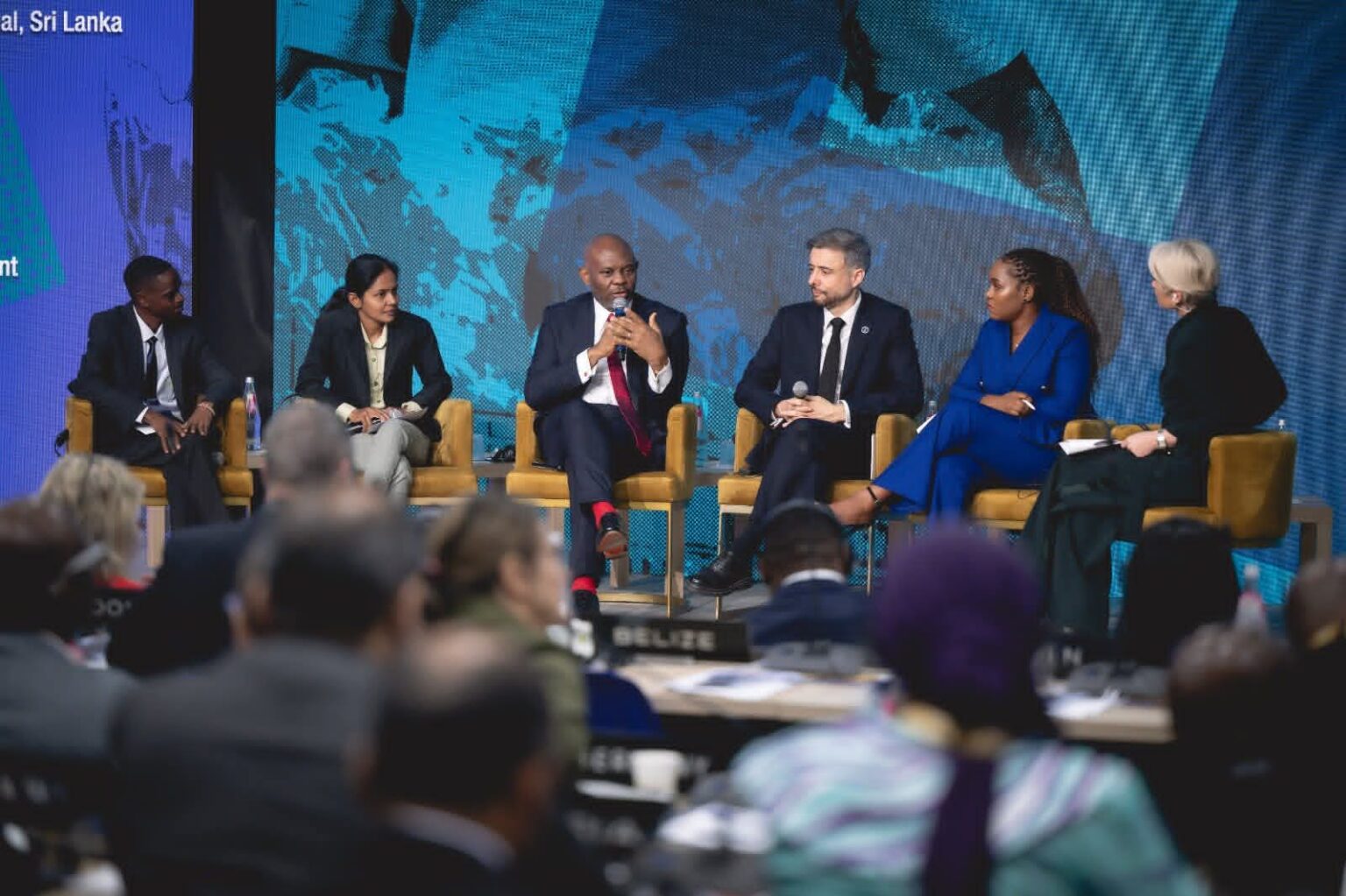
Tony Elumelu, leading African investor and philanthropist, on Tuesday told global leaders that Africa’s economic transformation will remain incomplete without deliberate investments in power and food systems, declaring that agriculture must sit at the centre of the continent’s development strategy.
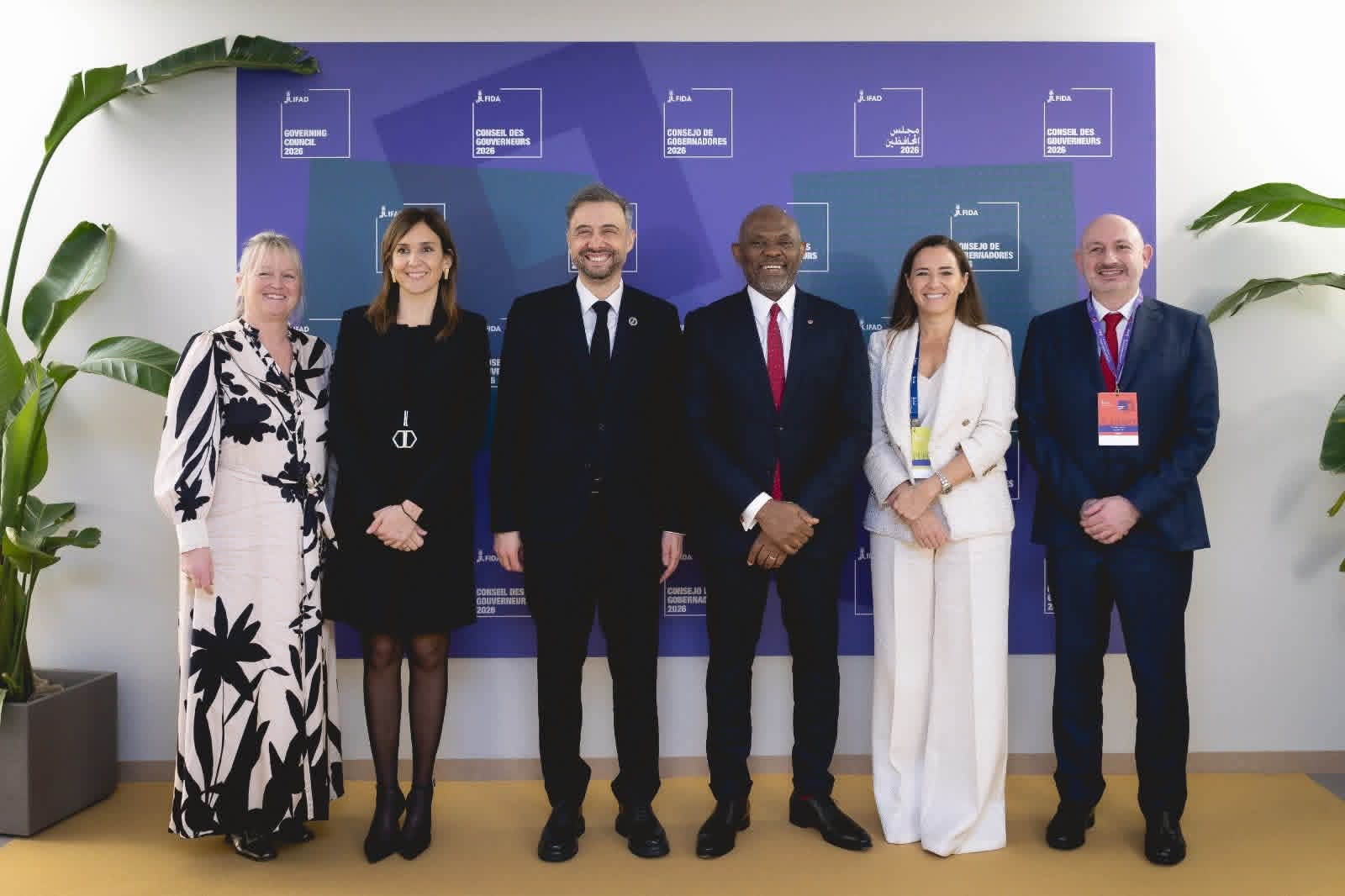
Elumelu, chairman of United Bank for Africa (UBA) and Transnational Corporation (Transcorp), two of Africa’s leading high-value business groups with interests spanning banking, power, hospitality and energy, spoke at the 49th Governing Council of the International Fund for Agricultural Development (IFAD) in Rome.
He joined IFAD President Alvaro Lario, moderator Melissa Bell and young agripreneurs to discuss the future of food systems and youth employment in Africa.
Highlighting the continent’s demographic reality, the business leader said Africa’s youthful population presents both an opportunity and an urgent responsibility.
“Africa is the youngest continent in the world: 60% of our population is under the age of 25. By 2030, 440 million young Africans will enter the labour market,” Elumelu stated.
And, noted that with 55 percent of Africans living in rural areas, agriculture is more than a traditional occupation.
“At the same time, 55 per cent of Africans live in rural areas. This means agriculture is not just a livelihood — it is a strategic resource that feeds our towns and cities, powers rural economies, and sustains communities,” he emphasised.
“We cannot grow Africa without power, and we cannot grow Africa without food,” Elumelu argued that investing in young entrepreneurs, particularly in agribusiness, offers a sustainable pathway to tackle unemployment, poverty and food insecurity simultaneously.
“When we invest in young entrepreneurs, we do not just support individuals — we strengthen communities, reduce poverty, create jobs, and enable rural economies to grow from within,” the chairman of one largest employers of labour on the continent, UBA said.
The philanthropist described youth migration as a consequence of limited economic opportunities, warning that exclusion from productive sectors continues to push many young Africans to seek prospects elsewhere.
“Youth migration is often a symptom of economic exclusion,” he said.
Citing the impact of the Tony Elumelu Foundation (TEF), the influential Nigerian disclosed that 21 percent of the 24,000 entrepreneurs empowered by the foundation operate in agriculture and agribusiness.
“Together, these entrepreneurs have created over 400,000 direct and indirect jobs, strengthening food systems, value chains and rural livelihoods — clear proof of the potential of agriculture to uplift communities across Africa,” he said.
The frontline campaigner for shared prosperity stressed that Africa’s young people are not passive recipients of aid but active builders of the continent’s future.
“Young Africans are not waiting for handouts. They are building Africa’s future,” he insisted.
Elumelu’s remarks come amid growing global conversations on food security, rural development and the role of private capital in accelerating inclusive growth across Africa, particularly as governments and development institutions seek sustainable pathways to absorb millions of young people entering the labour market. Read More