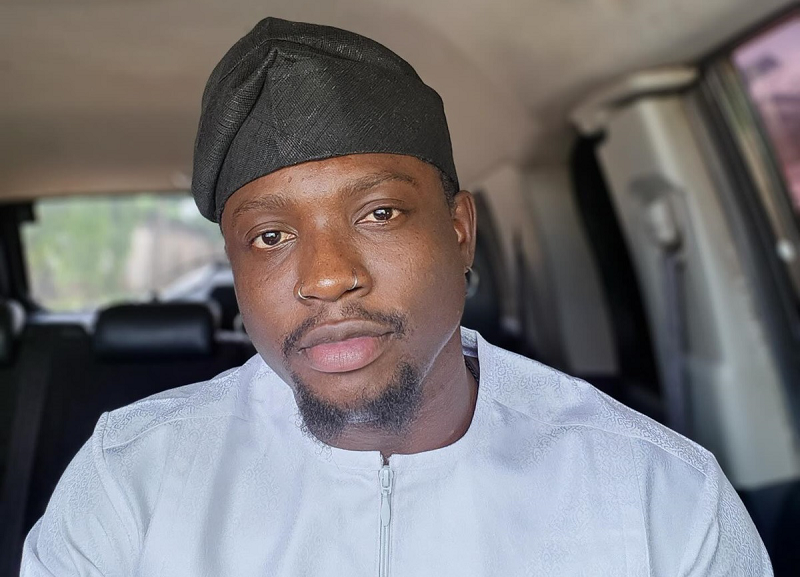


Controversial social media commentator VeryDarkMan is facing renewed criticism over what observers describe as a recurring pattern of online attacks directed largely at prominent Nigerian women.
Critics argue that many of the activist’s most aggressive and personal remarks on social media have been targeted at successful female public figures, sparking debate about the tone and impact of digital activism in Nigeria’s online space.
Among those who have clashed with the commentator is Nollywood actress Iyabo Ojo. Their dispute began during the public outcry surrounding the Mohbad case, when Ojo played a visible role in calls for justice following the singer’s death. The disagreement escalated after the activist made allegations against the actress, which she strongly denied.
Another celebrity drawn into controversy with him is actress Tonto Dikeh, whom he accused of mismanaging public donations and operating a gossip platform. The claims were rejected by the actress and her supporters, who described the accusations as defamatory.
Relationship coach Blessing Okoro has also been publicly criticised by the activist, while Nollywood actress Nkechi Blessing Sunday became the subject of online body-shaming after an unauthorised gym photo circulated online.
Similarly, Phyna, winner of the Big Brother Naija Level Up season, reportedly experienced a fallout with the activist after previously seeking his assistance over a family-related matter.
The latest figure caught in the controversy is social media personality King Mitchy, who has gained recognition online for her charitable initiatives. She recently became the subject of unverified allegations that critics say attempt to discredit her philanthropic work.
Observers note that many of the disputes follow a similar pattern in which female celebrities are accused of achieving success through inappropriate relationships or hidden sponsorship.
Media analysts warn that such narratives can have broader implications for online discourse, particularly among younger audiences who consume social media commentary daily.
They argue that Nigeria’s rapidly growing digital space requires stronger conversations about responsible speech, accountability, and the impact of public commentary on reputations and gender perceptions.
While supporters of the activist defend his approach as outspoken advocacy, critics insist that the repeated confrontations with female public figures raise serious questions about the boundaries between activism, criticism, and online harassment.
The controversy continues to fuel debate about the responsibility of influencers and commentators in shaping Nigeria’s digital culture and public discourse.