






INEC proposes N873.7bn for 2027 elections as Senate reverses earlier stance and approves real-time electronic transmission of results
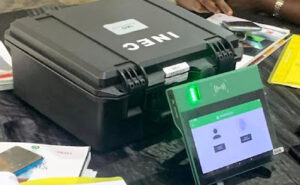
2027 Elections: INEC Seeks N873bn Budget, Senate Backs Real-Time Electronic Transmission
The Independent National Electoral Commission (INEC) has projected a staggering N873,778,401,602.08 to conduct Nigeria’s 2027 general elections, setting the stage for one of the most expensive polls in the nation’s history.
INEC Chairman, Joash Amupitan, disclosed the figure on Thursday while presenting the Commission’s 2026 budget proposal and detailed 2027 election cost breakdown before the National Assembly Joint Committee on Electoral Matters.
Breakdown of the N873bn Proposal
According to INEC’s estimates
- Election Operational Costs: N375.7bn
- Election Administrative Costs: N92.3bn
- Election Technology Costs: N209.2bn
- Election Capital Costs: N154.9bn
These components total N832.1bn.
In addition, Miscellaneous Expenses amount to N41.6bn, bringing the grand total to N873.7bn.
Amupitan clarified that this election budget is separate from INEC’s proposed N171bn allocation for 2026, which will fund routine operations, including by-elections and off-cycle polls.
He noted that the submission aligns with Section 3(3) of the Electoral Act 2022, which mandates the Commission to present its general election budget at least one year before the poll.
Lawmakers Raise Concerns
During the budget session, lawmakers questioned funding mechanisms and implementation of key provisions of the amended Electoral Act, particularly electronic transmission of results.
Chairman of the Joint Committee on Electoral Matters, Senator Samuel Lalong, assured that the National Assembly would rigorously scrutinise the proposal.
He stressed that while INEC presents financial estimates, the constitutional power to approve and appropriate funds lies with the legislature.
The committee also indicated plans to review allowances for National Youth Service Corps (NYSC) members deployed for election duties.
Under INEC’s proposal, each corps member will receive N127,000, N4,500 for feeding and N5,000 for five-day training.
About 450,000 corps members are expected to participate nationwide.
Senate Reverses on Electronic Transmission
The budget presentation comes amid heightened controversy over amendments to the Electoral Act 2022.
Tensions escalated after the Senate initially rejected a proposal to make real-time electronic transmission of election results mandatory.
The dispute centred on Clause 60(3), which sought to compel presiding officers to electronically transmit polling unit results to INEC’s Result Viewing (IReV) portal immediately after completing Form EC8A.
The Senate had opted to retain Section 60(5), allowing INEC discretion over result transmission methods — a decision that sparked protests by civil society groups at the National Assembly, led by Labour Party presidential candidate Peter Obi and later joined by former Rivers governor Rotimi Amaechi.
However, amid mounting public pressure, the Senate convened an emergency plenary on February 10 and reversed its position.
It approved real-time electronic transmission to the IReV portal while permitting manual collation as backup in the event of technological failure.
The amendment, sponsored by Senator Tahir Monguno and supported by Minority Leader Abba Moro, was passed by voice vote.
Meanwhile, the House of Representatives had already adopted the clause mandating electronic transmission.
Both chambers are now expected to harmonise their versions of the amendment bill.
High Stakes for 2027
With a projected N873.7bn price tag and renewed commitment to electronic transmission, preparations for the 2027 general elections are already shaping up to be politically and financially significant.
As scrutiny intensifies over funding and transparency mechanisms, all eyes remain on how INEC and the National Assembly will navigate the road to what could become Nigeria’s most technologically driven and costliest election cycle.