sets February 20 and March 6, 2027, for Nigeria’s general elections, drawing criticism over potential clashes with Ramadan. Stakeholders call for urgent review to ensure inclusive participation.%%primary_category%% %%sitename%% %%title%% %%sep%%)
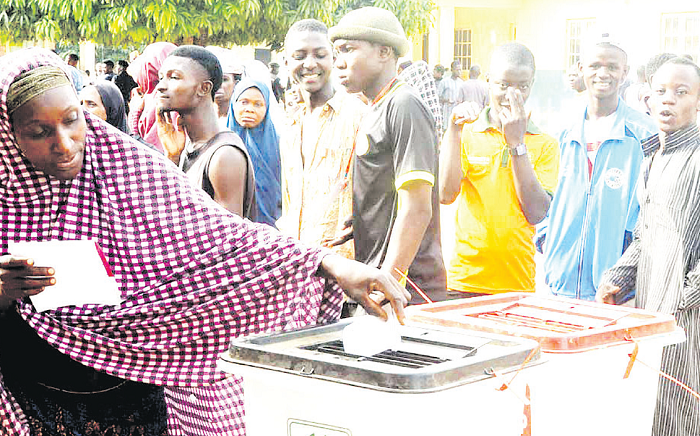
The Independent National Electoral Commission’s (INEC) release of the 2027 general election timetable has sparked intense debate across Nigeria.
While the timetable provides political parties and candidates with months of preparation, critics argue that the scheduled dates February 20 for the presidential and National Assembly elections and March 6 for governorship and state assembly polls coincide with Ramadan, potentially excluding millions of Muslim voters from active participation.
Former Vice President and African Democratic Congress (ADC) presidential aspirant, Atiku Abubakar, described the dates as “poorly judged and insensitive” to Nigeria’s socio-religious realities. On social media, he urged INEC to reconsider the schedule, emphasizing that elections require full engagement, endurance, and focus from all citizens.
The controversy comes despite evidence that INEC’s timetable builds on a prototype prepared by the previous commission under Prof. Mahmood Yakubu.
In 2025, the Yakubu-led INEC released a 10-election-cycle calendar covering the period from 2027 to 2063, with similar February-March windows for presidential, governorship, and state assembly elections.
INEC has defended its schedule. Mohammed Kudu Haruna, National Commissioner and Chairman of the Information and Voter Education Committee, explained that the timetable complies with constitutional provisions, the Electoral Act 2022, and INEC’s regulations, which mandate the announcement of election dates at least 360 days in advance.
Election to the office of President and Vice President, as well as the National Assembly, shall hold on the third Saturday of February of any general election year,” Haruna said, noting that governorship and state assembly elections are scheduled two weeks later.
He stressed that the commission remains sensitive to concerns and is consulting stakeholders to ensure participation is not impeded.
Legal and political analysts suggest several options if the dates are adjusted to accommodate Ramadan. Elections could be moved to January 2027, scheduled immediately after Ramadan, or postponed to April, following the Christian Lent period.
Each option carries implications for election preparation, voter turnout, and political campaigning.
Prof. Joash Amupitan, INEC chairman, reiterated the commission’s independence and commitment to a credible electoral process.
“We are guided solely by the Constitution, the Electoral Act, and our regulations,” he said.
“The success of the 2027 general election is a collective responsibility, requiring the cooperation of all government institutions, security agencies, media, civil society organizations, and Nigerians.”
As the debate continues, stakeholders from religious, political, and civil society sectors are calling for urgent consultations to ensure that Nigeria’s next general elections remain inclusive, lawful, and reflective of the sovereign will of the people.