


The International Press Centre (IPC) and veteran journalist Richard Akinola II have demanded a public apology from Abia State Governor, Alex Otti, over his verbal attack on a journalist during a media chat.
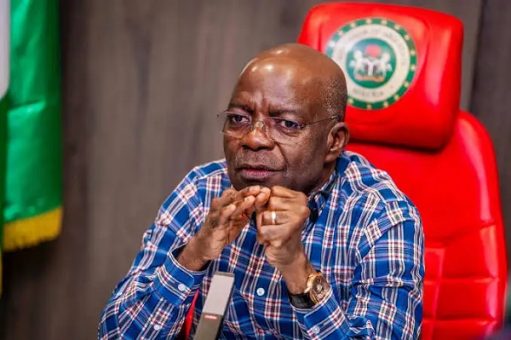
The controversy erupted during a question-and-answer session organised by the governor, where Chika Nwabueze of Don Media Group asked Otti to provide verifiable data showing that his policies had improved residents’ economic and living conditions beyond infrastructure development.
Rather than respond directly, Otti reportedly lashed out at the journalist, calling him “stupid” and questioning his professional competence in a moment captured in a now-viral video.
In a statement issued by its Safety and Protection of Journalists (SPJ) Hub, signed by Press Freedom Officer Melody Akinjiyan, the IPC described the governor’s conduct as “condescending and unexpected from an elected leader accountable to citizens.”
Executive Director Lanre Arogundade defended Nwabueze’s line of questioning, stating:
“Mr. Chika was within his constitutional and professional rights to ask the question. Any public figure, especially a duty bearer, should expect scrutiny. This was an opportunity for the governor to detail his performance.”
The IPC-SPJ Hub questioned the rationale behind convening a media chat if critical questions would not be entertained and urged Otti to issue an unreserved public apology.
Veteran journalist Richard Akinola II also weighed in, expressing disappointment.
“Alex Otti, tender an unreserved apology to that journalist for your ‘irresponsible and stupid’ comment. As your fan, I’m terribly disappointed,” he wrote.
Critics argue that the episode reflects intolerance incompatible with democratic leadership. They stressed that public office demands openness to scrutiny, emotional restraint, and fact-based responses rather than personal attacks.
“Public office is a responsibility, not a throne. Journalists bolster democracy, not threaten it. A confident leader counters criticism with evidence; an insecure one attacks the messenger,” one commentator noted.
The incident adds to a pattern of confrontations between public officials and journalists in Nigeria. Former Aviation Minister Femi Fani-Kayode and former Ebonyi State Governor David Umahi previously faced backlash for verbally attacking journalists before later apologising.
Meanwhile, the International Press Institute Nigeria (IPI Nigeria) recently unveiled its “Book of Infamy” — officially titled the Book of Accountability for Journalists’ Rights — listing state actors accused of anti-press actions.
Among those named were Niger State Governor Mohammed Umar Bago, cited for ordering the closure of Badeggi FM in August 2025, and Akwa Ibom State Governor Umo Eno, accused of expelling two Channels TV journalists from Government House duties in May 2025.
As backlash continues, observers say Otti’s response risks denting his reformist image and reigniting broader concerns about press freedom and accountability in Nigeria’s democracy.