As Nigeria inches closer to the 2027 general elections, the race for the Lagos State governorship is already shaping up to be one of the most closely watched political contests in the country.
Widely regarded as Nigeria’s economic nerve centre, Lagos State with a GDP exceeding $100 billion and a population of over 17 million—remains the ultimate prize in subnational politics. Its strategic importance continues to attract political heavyweights eager to succeed incumbent governor Babajide Sanwo-Olu.
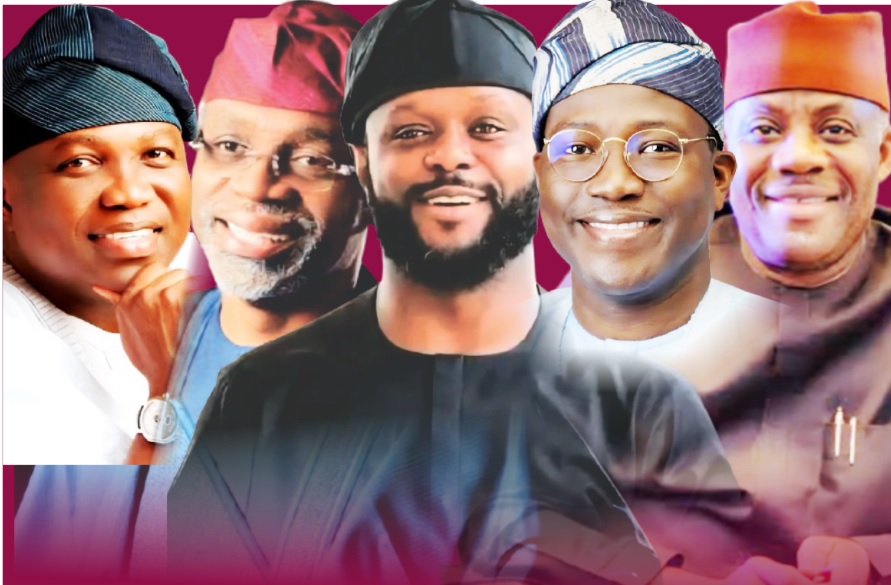
Among the early contenders is former governor Akinwunmi Ambode, whose potential return bid has sparked debate within the ruling All Progressives Congress (APC). Despite his achievements in infrastructure during his 2015–2019 tenure, Ambode’s political journey was marred by his unprecedented loss of a second-term party ticket. His re-emergence raises questions about his chances within a party still shaped by powerful internal dynamics.
Another prominent figure drawing attention is Seyi Tinubu, son of President Bola Ahmed Tinubu. Though he has never held public office, Seyi has steadily built political influence, backed by strong grassroots connections and support from key stakeholders, including members of the influential Governors Advisory Council (GAC). At 41 by 2026, his age aligns with a global trend of younger leaders emerging in politics, positioning him as a formidable contender.
Also in the mix is Femi Gbajabiamila, a seasoned politician and former Speaker of the House of Representatives. Known for his deep roots in Lagos politics and extensive legislative experience, Gbajabiamila’s quiet but strategic approach makes him a strong force in the race.
Minister of Education Tunji Alausa is another name gaining traction. With a background in medicine and public service, Alausa’s technocratic profile could appeal to party leaders seeking continuity and competence in managing the complexities of Lagos.
Similarly, Hakeem Muri-Okunola, the Principal Secretary to the President, is seen as a formidable insider with deep administrative experience. His career in the Lagos civil service and proximity to the presidency position him as a strong contender with both institutional knowledge and political backing.
With multiple aspirants jostling for influence, the battle for the APC ticket is expected to be intense. Analysts note that beyond credentials and popularity, the decisive factor may ultimately rest with President Tinubu, widely regarded as the central figure in Lagos politics.
As the political landscape evolves, one thing remains clear: Lagos 2027 will not only determine the leadership of Nigeria’s richest state but also signal the direction of power within the APC.
For now, all eyes remain on the party’s internal calculations—and on the man many believe holds the final card.