Home Blog Page 178

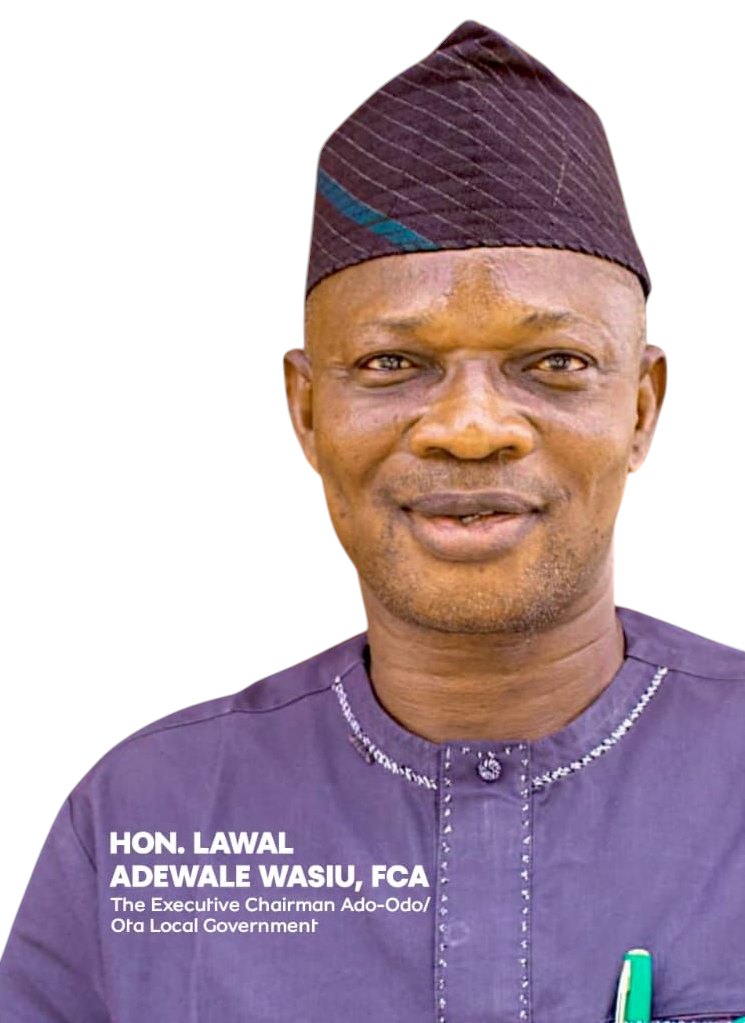
“A Beacon of Leadership” – Ado-Odo/Ota LG Chair, Wasiu Lawal Extols Senator Akin Odunsi at 80

0

“A Beacon of Leadership” – Ado-Odo/Ota LG Chair, Wasiu Lawal Extols Senator Akin Odunsi at 80

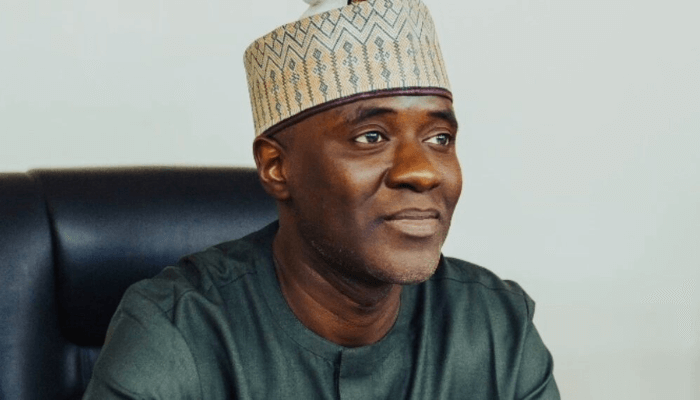
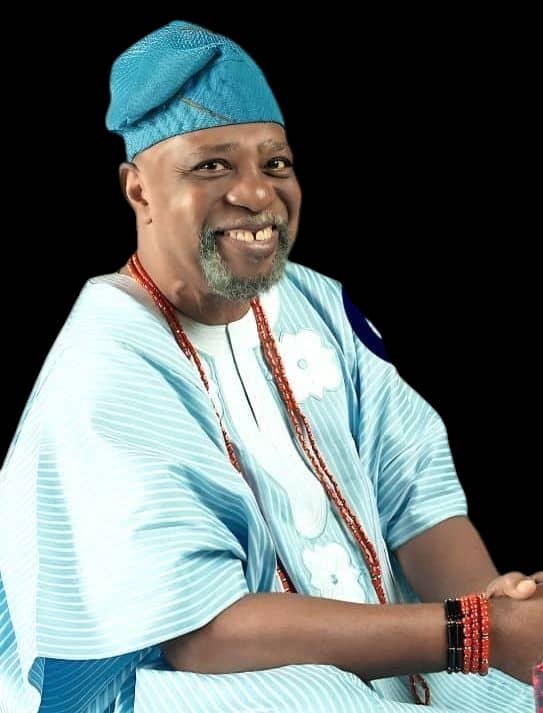
The Executive Chairman of Ado-Odo/Ota Local Government, Hon. Lawal Adewale Wasiu FCA, has joined family, friends, political associates, and admirers in celebrating the 80th birthday of Distinguished Senator Kamar Akin Babalola Odunsi (SKABO), describing the octogenarian as “a mentor, statesman, and enduring symbol of principled leadership.”

In a heartfelt message issued on Monday to mark the occasion, Hon. Lawal extolled the legacy of Senator Odunsi, who represented Ogun West Senatorial District in the National Assembly, lauding his towering influence on politics, development, and unity across the region.

Wasiu Lawal,Executive Chairman Ado-Odo/Ota LG

“On behalf of the people of Ado-Odo/Ota Local Government Area, I extend my warmest birthday wishes to a statesman, a mentor, and a pillar of our great party — Distinguished Senator Kamar Akin Babalola Odunsi,” Wasiu stated.

Reflecting on the former senator’s role in shaping the political landscape of Ogun West and beyond, the council boss praised Odunsi’s “unwavering commitment to regional growth and selfless service.”

“Your unwavering commitment to the growth of Ogun West, your fatherly guidance in the politics of Ado-Odo/Ota, and your distinguished service as a Senator of the Federal Republic of Nigeria remain a source of inspiration to many of us,” Hon. Lawal declared.

Senator Odunsi, fondly known as SKABO, is widely regarded as a foundational figure in Ogun West politics. He has consistently been celebrated for his intellect, humility, and strategic influence in both public service and party-building efforts.

“As a revered leader and a man of exceptional wisdom, your contributions to the development and unity of our local government and our party structure are deeply appreciated and will continue to guide the path of future leaders,” the LG Chairman said in the tribute.

Hon. Lawal also prayed for the senator’s continued well-being and longevity, noting that the political terrain still draws strength from Odunsi’s values and leadership.

“May the Almighty God bless you with strength, good health, and many more years of fruitful leadership. Thank you for your dedication to public service and for being a beacon of excellence in our political journey.”

The 80th birthday celebration of Senator Odunsi marks a significant milestone in the life of a man whose public service, business acumen, and political mentorship have left an indelible mark across Ogun State and Nigeria at large.

Newsheadline247 joins the good people of Ado-Odo/Ota and Ogun West in wishing Senator Odunsi a joyful and impactful new decade. Read More

Akpabio Debunks Reports on Creation of 12 New States – “Not Even One Has Been Approved”

Akpabio Debunks Reports on Creation of 12 New States – “Not Even One Has Been Approved”

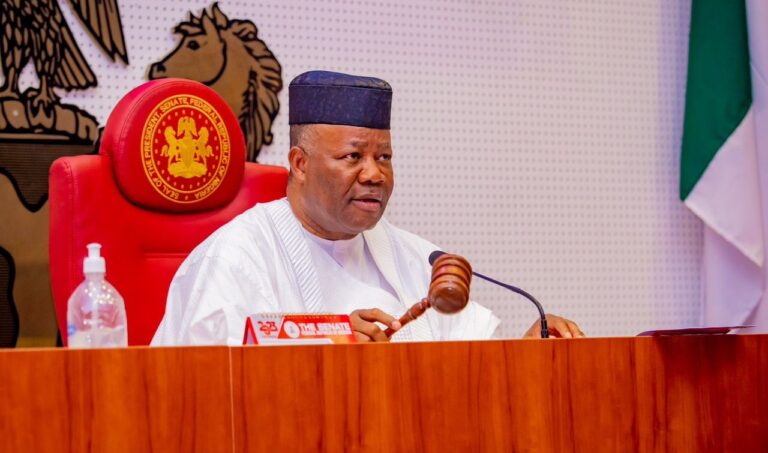
Senate President Godswill Akpabio has denied claims circulating on social media that the Nigerian Senate has approved the creation of 12 new states, including Ijebu, Ibadan, Tiga, and Toru-Ibe.

Speaking on the floor of the Senate on Tuesday, July 22, under Order 42 of the Senate Standing Orders, Senator Abdul Ningi (Bauchi Central) first addressed the reports, branding them as fake. Akpabio swiftly aligned with Ningi’s position, stating categorically that no such decision has been taken by the Senate.

“I hope that the way Africans use social media will not break society; that is my only hope. You see, even for appointments to be made, they will go and create fake letterhead paper and write that the person has rejected the appointment,” Akpabio lamented.

“No single state, proposed or otherwise, has been created,” he declared.

The Senate President emphasized the strict constitutional procedures required for state creation in Nigeria.

“Even if that were to be the case, it would involve all the houses of assemblies in the country. And we must get their two-thirds concurrence before anything can come back to us. And the two chambers—the House of Representatives and Senate—must also be involved,” he explained.

While acknowledging that various proposals for new states exist, Akpabio clarified that none has advanced far enough in the legislative process.

“Not one has reached a stage where we can even say we have finished zonal or national deliberation and then transmitted to state houses of assembly, and then brought back to the National Assembly for deliberations,” he said.

Akpabio, a former governor of Akwa Ibom State, stressed that any constitutional amendment, including state creation, undergoes “very stringent” processes.

The proposed but yet to be approved new States are;

South West:

  • Ijebu State – From Ogun State
  • Ibadan State – From Oyo State

South East:

  • Anim State – From parts of Anambra and Imo
  • Adada State – From Enugu State

South South:

  • Toru-Ibe State – From parts of Ondo, Edo, and Delta
  • Obolo State – From Akwa Ibom

North East:

  • Savanna State – From Borno
  • Amana State – From Adamawa

North West:

  • Tiga State – From Kano
  • Gurara State – From Southern Kaduna

North Central:

  • Okura State – From Kogi
  • Apa State – From Benue

As it stands, the Senate has neither approved nor initiated any formal process for the creation of new states. The public is urged to disregard misleading reports and rely on official legislative communications. Read More

From Campus Grounds to Culture Hubs… How Student Festivals Are Shaping Nigeria’s Youth Identity

0

These campus festivals are telling a new story about youth in Nigeria: one of self-expression, digital fluency, and cultural leadership

From Campus Grounds to Culture Hubs… How Student Festivals Are Shaping Nigeria’s Youth Identity

Across Nigerian universities, a quiet revolution is taking place—not in lecture halls, but in the open fields and common grounds where students are redefining what it means to be young, expressive, and connected in today’s Nigeria. Student-led festivals are emerging as powerful cultural moments, blurring the lines between music, tech, entertainment, and identity.

Gone are the days when campus events were simply weekend parties or departmental hangouts. Today’s student festivals are immersive, highly creative experiences powered not by celebrity names or big-ticket venues, but by the raw, unfiltered energy of Gen Z students eager to be seen and heard.

In universities from Lagos to Port Harcourt, these events have become social playgrounds where fashion trends are set, new sounds are tested, and content is created on the fly. They are where dancers go viral, skit-makers perform live, and pop-up booths compete for attention in a sea of digital cameras and smartphones. And the rest of Nigeria is starting to take note—especially the brands.

A prime example is the Music & Games Festival recently held at the University of Lagos (UNILAG). Hosted by alumnus and popular hypeman Big Bimi, the event packed the UNILAG Sports Complex with thousands of energetic students, eager to celebrate not just music and games, but their collective creativity.

Emerging artists like Shoday and Fola took the stage, electrifying the crowd alongside DJs, dancers, and hypemen. But what made the event truly stand out was its cultural fusion—where performance met participation. Students weren’t just watching the show, they were part of it.

Adding to the vibe was MTN Nigeria’s interactive booth, which quickly became a hotspot. From live game sessions and dance videos at the Wow Booth, to branded giveaways like power banks and headsets, the booth wasn’t just a marketing stand—it was a digital stage for students to create and share content that reflected their reality.

These campus festivals are telling a new story about youth in Nigeria, one of self-expression, digital fluency, and cultural leadership. More than just fun escapes from academic stress, they are now key spaces where young Nigerians forge their identities and build creative communities from the ground up.

“What used to be casual parties are now well-orchestrated festivals, drawing thousands of students and tapping directly into the pulse of Gen Z culture.”

This shift is also catching the attention of forward-thinking brands. For them, campus festivals offer more than visibility—they’re a live feed into what matters to Nigeria’s most dynamic demographic.

In a time when youth are often underrepresented in mainstream narratives, these student-driven events flip the script. They prove that influence doesn’t start in clubs or corporate boardrooms—it starts in campus courtyards, dorm rooms, and on the timelines of the students who are boldly defining what it means to be Nigerian and young today.

As more universities join the movement, one thing is clear: the next wave of cultural powerhouses may not come from the music industry or Nollywood—they may just emerge from the campus festivals that are quietly changing the game. Read More

Shock Move: Adeleke, Osun PDP Endorse President Tinubu for 2027 Re-Election

0

Shock Move: Adeleke, Osun PDP Endorse President Tinubu for 2027 Re-Election

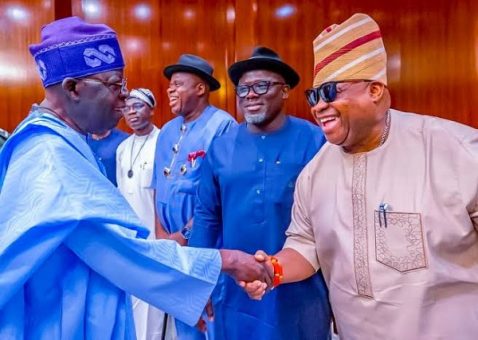
In a stunning political development, Osun State Governor Ademola Adeleke and the leadership of the Peoples Democratic Party (PDP) in the state have formally endorsed President Bola Ahmed Tinubu for re-election in the 2027 presidential election, despite being members of the main opposition party.

The endorsement was the outcome of a high-level stakeholders’ meeting held on Monday at the Government House in Oke-Fia, Osogbo, where Adeleke and key PDP figures resolved to remain within the party while throwing their support behind Tinubu’s second-term ambition.

A communiqué issued after the meeting was jointly signed by Governor Adeleke, his deputy Kola Adewusi, Speaker of the State House of Assembly Adewale Egbedun, former Governor Prince Olagunsoye Oyinlola, and 24 other top party leaders.

“The PDP in Osun State recognises the fact that Osun State is the ancestral home of President Bola Ahmed Tinubu, which makes the President the son of Osun State. Therefore, the PDP in Osun State hereby adopts and endorses President Bola Ahmed Tinubu for re-election in the 2027 presidential election,” the communiqué read.

The endorsement followed widespread rumours and reports that Governor Adeleke had been considering a defection to the ruling All Progressives Congress (APC) — a move that was reportedly met with resistance by influential APC members in the state, many of whom openly criticised him across social and national platforms.

According to the communiqué, the defection narrative did not originate from Adeleke himself and was largely driven by external speculations. However, it acknowledged that loyal PDP members, despite their discomfort with the idea, were prepared to stand by the governor.

“That Governor Ademola Adeleke and all members of the PDP in Osun State should remain in the PDP,” the statement added.
“That the leadership of the PDP in Osun State is directed to disseminate the resolution to all structures of the party in the state.”

The party leaders reaffirmed their confidence in Adeleke’s leadership, describing the PDP as the most widely accepted political force in the state. They also announced Adeleke’s formal endorsement as the party’s candidate for the 2026 governorship election.

“That the PDP in Osun State reaffirms its adoption and endorsement of Governor Ademola Adeleke for re-election in the 2026 governorship election on the platform of the PDP,” the communiqué stated.

The resolution concluded with a charge to Governor Adeleke to remain focused on delivering good governance through the implementation of his administration’s Five-Point Agenda.

This move signals a dramatic realignment in Osun’s political landscape and could have far-reaching implications for the PDP’s national posture heading into the 2027 elections. Read More

₦20.5bn Worth of Codeine, Tramadol Seized as Customs, NAFDAC Step Up Anti-Smuggling War

₦20.5bn Worth of Codeine, Tramadol Seized as Customs, NAFDAC Step Up Anti-Smuggling War

In a significant breakthrough underscoring the growing cooperation between Nigeria’s key enforcement and regulatory bodies, the Nigeria Customs Service (NCS) has intercepted 16 containers loaded with illicit pharmaceutical products valued at over ₦20.5 billion at the Port Harcourt II Area Command, Onne, Rivers State.

The seizure comes just weeks after the NCS and the National Agency for Food and Drug Administration and Control (NAFDAC) inaugurated a joint committee to implement the 2024 Memorandum of Understanding (MoU), aimed at strengthening regulatory collaboration and intelligence-sharing.

Announcing the seizure at a press briefing on Friday, July 18, 2025, the Comptroller-General of Customs, Adewale Adeniyi, attributed the operation’s success to intelligence-driven enforcement and enhanced synergy among national security and regulatory agencies.

“Our anti-smuggling operations align with President Bola Ahmed Tinubu’s policy on border security, public health, and national safety. We remain committed to ensuring that Nigeria’s borders are not exploited by criminal elements,” Adeniyi said.

According to the CGC, the smugglers employed “sophisticated concealment tactics,” disguising the contraband as ordinary goods such as tomato paste, ceiling fans, and plumbing materials.

Breakdown of the Seized Items:

  • 1.3 million bottles of Codeine syrup (100ml each)
  • 12.6 million tablets of Royal Tramadol (225mg)
  • 9.3 million tablets of Really Extra Diclofenac
  • Other dangerous and unregistered drugs including Trodol, Hyergra, Bisoveu, and Bassuka

“This seizure sends a clear message to criminal networks, the Nigeria Customs Service, in partnership with our enforcement counterparts, maintains zero tolerance for smuggling. We will bring the full weight of the law to bear on all perpetrators,” Adeniyi warned.

The seized containers were officially handed over to Professor Mojisola Adeyeye, Director-General of NAFDAC, for further regulatory action.

Reacting to the seizure, Professor Adeyeye praised the Customs Service’s vigilance and described the consignment as a grave public health threat.

“Frankly, it was shocking. These products could destroy lives: Codeine, Tramadol, and counterfeit painkillers. The fact that some were hidden in tomato paste shows clear criminal intent. This isn’t business; this is murder for profit,” she said.

She confirmed that all products would be subjected to thorough laboratory analysis, documentation, and eventual destruction.

“We are WHO-certified, with international-standard laboratories and well-trained personnel. These products will never make it into the Nigerian market,” she assured.

Issuing a stern warning to drug smugglers, the NAFDAC boss labelled the importers “merchants of death”, stressing that Nigeria will not be a dumping ground for counterfeit or substandard pharmaceuticals.

The Customs Area Controller of PH II Onne Command, Comptroller Muhammed Babandede, called the seizure “brief but historic,” and emphasized the collective efforts of multiple agencies, including the NDLEA, Department of State Services (DSS), and the Office of the National Security Adviser (ONSA).

“The seizure involved eleven 40-foot containers of illicit medicines, four micro containers of bottled water, and one container of salt. This success reflects the strength of our collaboration, which aligns with the Service’s policy of unity through cooperation, consolidation, and innovation,” Babandede said.

This operation follows a separate major interception last week at Apapa Port, where 25 containers of substandard medical devices were impounded.

All participating agencies reaffirmed their joint commitment to strengthening intelligence-sharing, surveillance, and enforcement in line with national security strategies and global health standards. Read More

Nigeria’s Economy Rebounds with 3.13% Growth in Q1 2025 After Major GDP Rebasing

As Nigeria charts a path toward sustainable recovery and data-driven policy, the rebased figures provide a more accurate and current reflection of the economy’s structure and growth dynamics

Nigeria’s Economy Rebounds with 3.13% Growth in Q1 2025 After Major GDP Rebasing

Nigeria’s economy recorded a 3.13% year-on-year growth in real terms in the first quarter of 2025, marking a strong rebound from the 2.27% growth seen in the same period of 2024. This is according to the latest GDP report released Monday by the National Bureau of Statistics (NBS).

The improved performance, the NBS noted, was largely driven by the services and industrial sectors.

“Gross Domestic Product (GDP) grew by 3.13 per cent (year-on-year) in real terms in the first quarter of 2025. This growth rate is higher than the 2.27 per cent recorded in the first quarter of 2024,” the report stated.

Adding depth to the report, the Statistician General of the Federation, Adeyemi Adeniran, announced the rebasing of Nigeria’s GDP to the year 2019. As a result, the country’s economic output for 2019 was revised to ₦205.09 trillion — representing a 41.1% increase from previous estimates.

“This compares to a 59.5% increase following the previous rebasing exercise in 2014,” Adeniran explained.

The revised GDP figures indicate steady nominal growth in subsequent years:

  • 2020: ₦213.64 trillion
  • 2021: ₦243.30 trillion
  • 2022: ₦274.23 trillion
  • 2023: ₦314.02 trillion
  • 2024: ₦372.82 trillion

In real terms, GDP growth swung from a contraction of -6.96% in 2020 (due to pandemic shocks) to a modest 0.95% in 2021. Stronger growth followed in 2022 and 2023 at 4.32% and 3.04% respectively, with 2024 closing at a solid 3.38%.

The rebasing exercise, which covers 2019 to 2023, also reshuffled the rankings of Nigeria’s top-performing sectors.

“Ranking the top five economic activities using the 2019 base year, Crop Production came top with (17.58%), trade (17.42%), real estate (10.78%), telecommunications (6.78%), and crude petroleum and natural gas (5.85%),” Adeniran revealed.

Interestingly, real estate overtook the oil and gas sector, now ranked fifth — a shift attributed to improved coverage of the informal real estate market.

The services sector maintained its dominance, contributing 53.09% to GDP in 2019, followed by agriculture at 25.83% and industries at 21.08%.

Adeniran further highlighted the growing role of Nigeria’s informal economy, estimating its contribution to GDP at ₦86.85 trillion, or 42.5%, in 2019 — more than double the previous estimate of ₦39 trillion from 2015.

As Nigeria charts a path toward sustainable recovery and data-driven policy, the rebased figures provide a more accurate and current reflection of the economy’s structure and growth dynamics. Read More

Shake-Up in Police Ranks as PSC Promotes 227 Senior Officers, Vows to Enforce Merit-Based Exams

The promotions followed a rigorous assessment process, including written exams and interviews, in line with its renewed commitment to global standards and meritocracy

Shake-Up in Police Ranks as PSC Promotes 227 Senior Officers, Vows to Enforce Merit-Based Exams

The Police Service Commission (PSC) has announced the promotion of 227 senior officers, marking one of the largest rounds of elevation in recent years, as part of its drive to professionalize and revitalize the Nigeria Police Force.

Among those promoted are 12 Commissioners of Police elevated to the rank of Assistant Inspectors General (AIGs), 16 Deputy Commissioners raised to full Commissioners, and 27 Assistant Commissioners promoted to Deputy Commissioners.

A further 145 Chief Superintendents of Police were promoted to Assistant Commissioners, including officers from specialized units such as the Airwing, Medical Corps, Pharmacy, ICT, and Aircraft Engineering. Also promoted were 29 Superintendents (specialists) and 38 Deputy Superintendents across various technical and professional branches.

The announcement was made in a statement issued by Ikechukwu Ani, Head of the Commission’s Press and Public Relations Unit, on Monday, July 21, 2025.

Among the newly promoted AIGs are high-profile officers including Johnson Oluwole Adenola, CP of Oyo State; Benedict Gabriel Ako, head of Anti-Fraud; and Emmanuel Aina, acting AIG, Force Intelligence. Others include Omolara Ibidun Oloruntola, Hassan Yababet, Ronke Nurat Okunade, and several more serving in critical operational and investigative roles.

The PSC also emphasized that these promotions followed a rigorous assessment process, including written exams and interviews, in line with its renewed commitment to global standards and meritocracy.

DIG (rtd.) Taiwo Lakanu, fdc, who chaired the Commission’s Standing Committee on Police Matters, oversaw the exercise and submitted the final report for approval during the Commission’s plenary.

Commenting on the promotions, DIG Bello Argungu (rtd.), a senior PSC Commissioner, affirmed that the compulsory promotion examinations have come to stay, warning: “Officers must sit up or be shown the way out.”

He added that the Commission will “get it right” with this system, ensuring only the most competent officers rise through the ranks.

PSC Chairman, Dr. Solomon Arase, in his remarks, urged the newly promoted officers to rededicate themselves to national service. “The Police Force of the 21st Century must be capable of confronting crime head-on and restoring public confidence. These promotions are a call to greater responsibility,” he said.

The promotion list features names from across Nigeria’s diverse police divisions and specialties — from homicide investigators and gender unit officers to intelligence analysts, aircraft engineers, and regional commanders — reflecting a broad strengthening of the police leadership structure nationwide.

Short Takes About Maida’s Reforms At NCC Amid Telecom Challenges

Despite the economic headwinds, Maida’s approach has focused on tackling systemic inefficiencies from within

When  Aminu Maida was appointed Executive Vice Chairman of the Nigerian Communications Commission (NCC) in October 2023, he inherited a telecommunications industry grappling with the weight of economic turbulence, policy inertia, and internal resistance.

Yet, less than a year into his tenure, Maida is pushing forward with bold internal reforms that many industry stakeholders believe could reshape the future of Nigeria’s digital economy and improve outcomes for millions of Nigerians.

The Roots

For over two decades, the telecoms sector has been a key driver of Nigeria’s economic transformation—from a sluggish, state-controlled system to one of Africa’s most liberalised and dynamic markets. The 2000s, under Ernest Ndukwe’s visionary leadership, laid the groundwork for what became known as Nigeria’s Telecommunication Revolution. That momentum continued under successive NCC heads and peaked with a teledensity of over 96% by the end of 2014. But today, the sector is under pressure like never before.

A Sector in Distress

The challenges facing telecom operators are multi-layered: forex scarcity, skyrocketing diesel costs, infrastructure vandalism, multiple taxation, and an outdated legal framework. Operators report that more than 70% of telecom equipment is imported, and with the Naira’s depreciation, these costs have ballooned. Diesel—crucial to powering over 40,000 base stations across Nigeria—has risen from ₦200 per litre to as high as ₦1,200, while inflation reached 33.88% in October 2024. The result? Operational expenses have jumped by over 300%, forcing companies to raise tariffs for the first time in over a decade.

“The industry cannot survive without tariff increases,” MTN CEO Karl Toriola said, framing the recent 50% hike as a necessity for survival.

Reforms with the End User in Mind

Despite the economic headwinds, Maida’s approach has focused on tackling systemic inefficiencies from within. His reform blueprint, built on professionalism, data-driven decision-making, and cost-cutting compliance, aims to reposition the NCC as a regulator that delivers value not just to telcos but to the ordinary Nigerian.

Under his leadership, the NCC is undergoing a shake-up designed to eliminate bureaucratic stagnation, enforce compliance among service providers, and clean up internal inefficiencies. Telcos have broadly welcomed these moves, seeing in Maida a regulator ready to listen and act. However, insiders say these reforms have not gone unchallenged—staff resistance within the NCC remains a formidable hurdle, with some allegedly benefitting from the status quo.

Maida’s reforms enjoy the backing of President Bola Ahmed Tinubu, but implementation will depend on managing the balance between institutional change and ensuring that legitimate staff concerns are addressed through fair and transparent processes.

Reforming the Law, Not Just the Regulator

Central to Maida’s push is a broader legal overhaul. The Nigerian Communications Act (NCA), passed in 2003, was once a revolutionary law that liberalised the industry and empowered the NCC as an independent regulator. But 22 years later, it no longer aligns with modern digital realities.

The ongoing amendment process—led by the House of Representatives in partnership with the NCC and other stakeholders—seeks to future-proof the law by incorporating critical areas such as 5G, Artificial Intelligence, the Internet of Things, and data protection. It also aims to:

Strengthen consumer protection, ensuring better quality of service and faster resolution of complaints.

Enhance cybersecurity, harmonising with existing data and cybercrime legislation.

Promote infrastructure sharing, and reduce Right of Way (RoW) costs to improve rural coverage.

Streamline regulatory processes, eliminating overlaps between agencies like NITDA and NBC.

Incentivise investment and make Nigeria a more attractive destination for telecom capital.

Gains for the Nigerian Consumer

Maida’s reform push is ultimately about long-term benefits for the Nigerian consumer.

Short-term pain, such as the recent tariff hikes, is real—but the long-term vision promises:

Improved service quality through infrastructure investment and better regulatory compliance.

Greater rural access, thanks to infrastructure-sharing and cost-reducing policies.

More inclusive digital access, particularly for small businesses and underserved regions.

Enhanced data protection and cybersecurity, which are crucial in an increasingly digital economy.

These outcomes would not only lift the sector but also empower millions of Nigerians who rely on digital services to learn, work, trade, and communicate.

Telecoms as a Growth Engine

Despite the crisis, the telecom sector remains a bright spot in Nigeria’s economic landscape. According to the National Bureau of Statistics, the ICT sector contributed 17.68% to GDP in Q4 2024, with telecommunications accounting for 14.4%—a testament to the sector’s resilience. Industry revenue reached $7.6 billion in 2024, with an 8% compound annual growth rate projected through 2028.

If the current reform drive continues—both internally at the NCC and legislatively with the amendment of the NCA—Nigeria’s telecom sector could emerge stronger, more efficient, and more inclusive.

 A Reform Battle Worth Fighting

Maida’s push for reforms is far from complete. The road is bumpy, and the resistance is real. But in the words of a senior telecom executive, “What Maida is attempting is to save the sector from internal collapse—while preparing it for the digital future.”

For ordinary Nigerians, the success of these reforms could mean the difference between spotty connections and reliable digital services, between exclusion and access. In a country increasingly reliant on connectivity, that’s a battle worth fighting.

Bonus

“Signal strength,” it turns out, is not just about bars on a phone—it’s about policy, leadership, and the will to change. Read More
12 Easiest Countries Nigerians Can Relocate to Without a University Degree

0

12 Easiest Countries Nigerians Can Relocate to Without a University Degree

For Nigerians seeking better opportunities abroad without a university degree, several countries across Europe offer welcoming environments, flexible immigration policies, and employment prospects for individuals with lower levels of formal education.

According to Insider Monkey, a recent ranking based on OECD and Migration Data Portal reports has revealed the top countries where migrants without degrees have successfully settled and integrated. The study considered three key factors:

  • The percentage of low-educated foreign-born residents,
  • The employment rate among that group, and
  • The overall proportion of international migrants in the population.

Here are the 12 easiest countries Nigerians without degrees can relocate to, based on their favorable conditions:

1. Greece

  • Low-educated migrants: 56%
  • Employment rate: 53%
  • Migrant population: 13%
    Greece tops the list with the highest percentage of foreign-born residents with limited education. Though the employment rate is moderate, it remains a viable option for migrants seeking flexibility without academic qualifications.

2. Iceland

  • Low-educated migrants: 30%
  • Employment rate: 81%
  • Migrant population: 19%
    Iceland offers one of the highest employment rates for low-educated migrants, making it an excellent destination for skilled laborers and those willing to take up blue-collar jobs.

3. Italy

  • Low-educated migrants: 53%
  • Employment rate: 58%
  • Migrant population: 11%
    With a rich culture and strong informal economy, Italy remains open to migrants who may not hold formal degrees but possess vocational skills or entrepreneurial drive.

4. Malta

  • Low-educated migrants: 24%
  • Employment rate: 74%
  • Migrant population: 26%
    This small Mediterranean country has a booming hospitality and service sector, offering many entry-level job opportunities to immigrants.

5. Luxembourg

  • Low-educated migrants: 12%
  • Employment rate: 71%
  • Migrant population: 48%
    Despite having a small percentage of low-educated migrants, Luxembourg’s high employment rate and large migrant population make it attractive for those looking to settle and work.

6. Cyprus

  • Low-educated migrants: 30%
  • Employment rate: 71%
  • Migrant population: 16%
    Cyprus offers solid job prospects in tourism and agriculture, especially for those without advanced academic credentials.

7. Sweden

  • Low-educated migrants: 39%
  • Employment rate: 57%
  • Migrant population: 20%
    Known for its inclusive society, Sweden provides numerous training and integration programs that help low-educated migrants succeed.

8. Germany

  • Low-educated migrants: 38%
  • Employment rate: 58%
  • Migrant population: 19%
    As Europe’s largest economy, Germany continues to offer diverse job openings in construction, logistics, and elderly care for non-degree holders.

9. Switzerland

  • Low-educated migrants: 11%
  • Employment rate: 65%
  • Migrant population: 29%
    Although more competitive, Switzerland offers attractive wages and work environments, with moderate employment opportunities for low-educated migrants.

10. Finland

  • Low-educated migrants: 39%
  • Employment rate: 58%
  • Migrant population: 7%
    Finland’s small migrant population and growing labor demands make it a hidden gem for Nigerians looking to start afresh.

11. Denmark

  • Low-educated migrants: 31%
  • Employment rate: 59%
  • Migrant population: 12%
    With a strong social support system and well-regulated labor market, Denmark remains a solid option for non-degree holders looking for work-life balance.

12. Hungary

  • Low-educated migrants: 15%
  • Employment rate: 80%
  • Migrant population: 6%
    Despite a low migrant population, Hungary boasts one of the highest employment rates for foreigners without university education—especially in agriculture and manufacturing.

These countries offer a realistic path for Nigerians seeking better lives abroad without formal higher education. With the right skills, mindset, and adaptability, migrants can find meaningful employment and long-term stability—no degree required. Read More

Tinubu Hails Late Awujale as Symbol of Integrity Amid Burial Controversy

Tinubu Hails Late Awujale as Symbol of Integrity Amid Burial Controversy

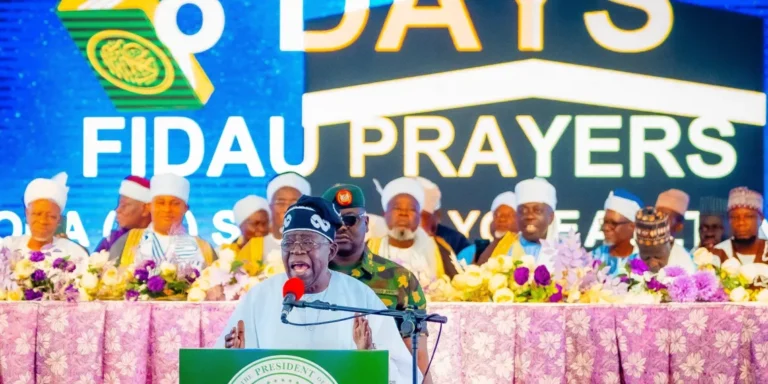
President Bola Tinubu has paid glowing tribute to the late Awujale of Ijebuland, Oba Sikiru Kayode Adetona, describing him as a beacon of integrity, humility, and selfless service.

Speaking during the eighth-day Fidau prayer held on Sunday, July 20, 2025, at the Otunba Dipo Dina Stadium in Ijebu-Ode, Ogun State, the President reflected on the monarch’s legacy and deep-rooted impact on the Yoruba nation and Nigeria at large.

“Today marks a significant day in our nation’s history, particularly in the history of the Yoruba people. Nowhere will you find a better definition of our culture than in the life of the late Awujale,” President Tinubu said.

The revered monarch, who passed away on Sunday, July 13, at the age of 91, was buried the following day according to Islamic rites—a decision consistent with the monarch’s personal faith and a stance he championed during his lifetime.

President Tinubu urged Nigerians to uphold the values that Oba Adetona embodied. “To honour this great man, we must be more united, bonded in the spirit he left behind, and appreciate his legacy, even in death.”

President Bola Tinubu at the eighth day prayer held for His Majesty, Oba Sikiru Kayode Adetona, the Awujale of Ijebuland [PHOTO CREDIT: @officialABAT]

He also recalled the monarch’s role in his political journey. “I came to him for prayers before the election, and he gave me his blessings. I succeeded because of your support and the blessings of the late Awujale… He said, ‘You will win that election.’”

Governor Dapo Abiodun of Ogun State, who hosted the event, praised President Tinubu’s attendance, calling it a symbol of the deep bond between the late king and the nation’s leadership.

“Oba Sikiru Kayode Adetona was more than a monarch. His 65-year reign brought remarkable development, not only to Ijebuland but to the entire Western region and Nigeria,” the governor said.

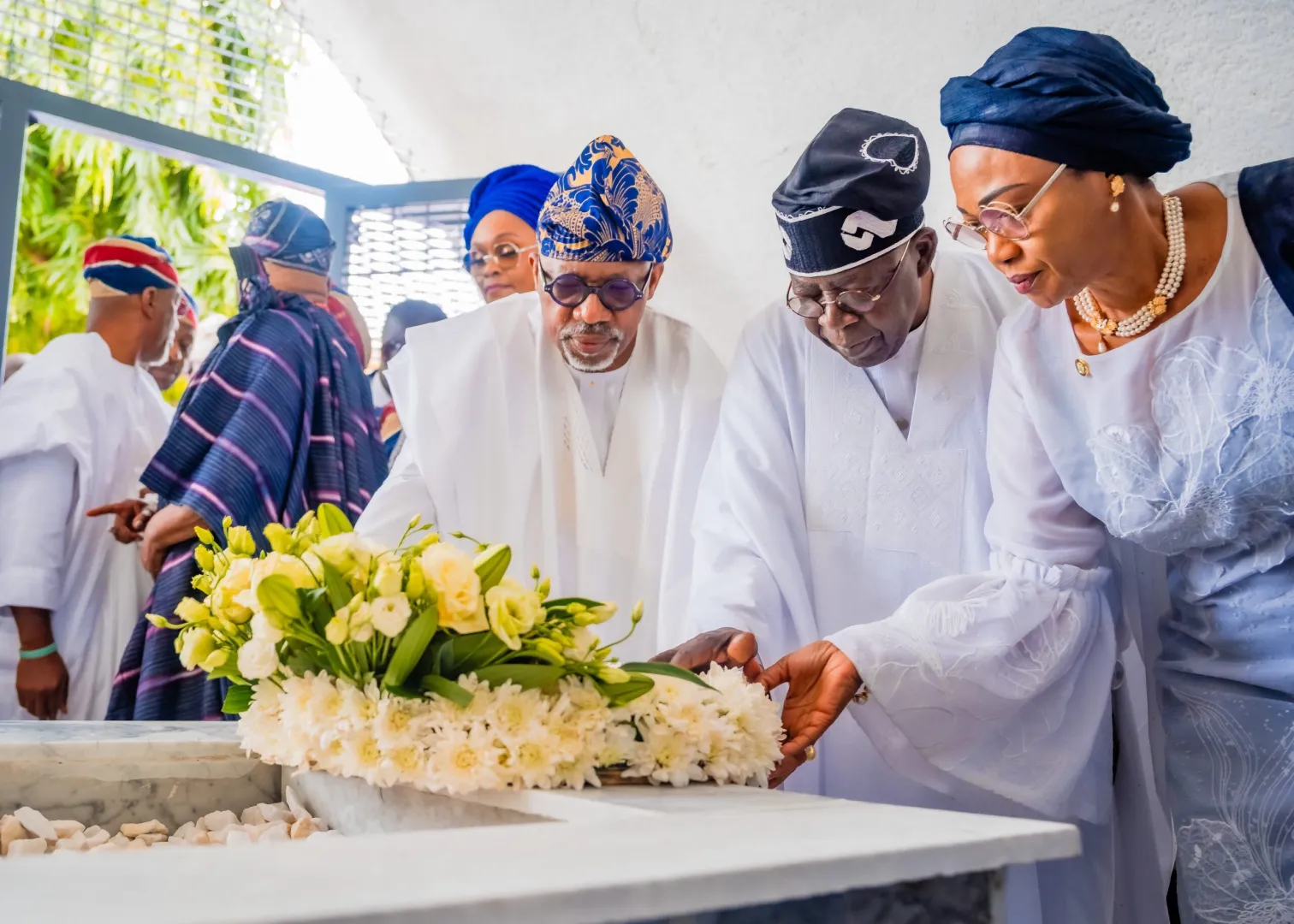
Other dignitaries in attendance included Governor Abdulrahman Abdulrazaq (Kwara), Governor Biodun Oyebanji (Ekiti), and former Ogun State Governors Olusegun Osoba and Ibikunle Amosun.

The ceremony featured Islamic prayers, personal tributes, and reflections on the king’s transformative reign.

Despite the dignified farewell, the burial of the late monarch has sparked ongoing controversy within traditionalist circles. Oba Adetona, a devout Muslim, was buried according to Islamic customs—a decision that reignited the debate over how Yoruba kings should be buried.

As early as 2020, the monarch had advocated for the right of traditional rulers to be buried according to their personal religious beliefs, rather than strictly by traditional rites. This led to the enactment of the Ogun State Chieftaincy Law in 2022, which permits monarchs to choose the mode of their burial.

However, not all were pleased with the decision. On the day of the burial, tensions escalated when Adedire Adetona, the late king’s eldest son, reportedly barred traditionalists from entering the burial grounds.

Videos circulating online later showed several Yoruba traditional leaders expressing disapproval over what they viewed as a deviation from ancestral norms.

They warned that such actions could erode Yoruba heritage and called for stricter oaths to be administered to future kings, compelling them to uphold traditional customs. Some even suggested that monarchs unwilling to observe Yoruba rites should renounce the throne altogether.

The late Awujale’s burial may have fulfilled his personal wishes, but it also served as a flashpoint in the growing debate between modern religious rights and preservation of cultural heritage within Yoruba kingship. Read More