Home Blog Page 184

Details: GTCO Lists 2.28 Billion Shares on Nigerian Exchange After Landmark London Debut

With N70 share price, dual listing boosts GTCO’s capital base to over 36.4 billion shares as it eyes 15% dividend yield and East African growth

By Staff Writer

Details: GTCO Lists 2.28 Billion Shares on Nigerian Exchange After Landmark London Debut

Guaranty Trust Holding Company Plc (GTCO) has officially listed an additional 2.28 billion ordinary shares on the Nigerian Exchange (NGX), following the successful launch of its public offer on the London Stock Exchange (LSE) a day earlier.

The Nigerian Exchange Limited (NGX), in a market bulletin released on Thursday, July 10, 2025, confirmed the listing of 2,288,250,000 ordinary shares of 50 kobo each at N70.00 per share, boosting GTCO’s total issued shares to 36.43 billion, up from 34.14 billion.

The move marks a critical milestone in GTCO’s ongoing dual listing and capital raising strategy, which aims to deepen investor access and broaden its capital base across both local and international markets.

On Wednesday, July 9, GTCO made its debut on the London Stock Exchange’s main market, listing 2.29 billion shares under the UK Financial Conduct Authority’s equity segment, after fulfilling all regulatory requirements. The shares commenced trading at the opening bell in London, with GTCO emphasizing that this expansion provides “enhanced investor access and flexibility.”

As part of this international shift, GTCO also revealed plans to delist its Global Depository Receipts (GDRs) from the LSE by July 31, citing limited market activity.

Protecting Retail Investors

Explaining the rationale behind splitting its capital raise between local and international markets, Group CEO Segun Agbaje said the strategy was crafted to safeguard the interests of GTCO’s large retail investor base.

“We have over 50% of our shareholder base in retail, and we didn’t want to dilute them,” Agbaje stated. “So, we raised as much as we could locally — N209 billion — and then came to the international market for the delta.”

Bold Financial Targets and Regional Expansion

Agbaje also expressed confidence in GTCO’s performance outlook, setting ambitious targets for investor returns:

“We’re targeting a minimum dividend yield of 15% and a return on equity (ROE) of at least 25%,” he said.

On the company’s expansion roadmap, Agbaje noted that while GTCO remains cautious, its diversification strategy is quietly gaining traction. According to him, Nigeria accounts for 67% of GTCO’s profit, West Africa 27%, while East Africa and the UK currently contribute 1.5% and 1.8%, respectively.

“We’re generally conservative. But diversification is already happening, just without much attention,” he remarked.

Looking ahead, Agbaje confirmed that Senegal is on the company’s radar for future market entry. However, instead of pursuing aggressive regional sprawl, GTCO intends to strengthen branch networks in existing markets to sharpen competitiveness.

With this dual listing, GTCO has not only reinforced its visibility on the global capital map but also reaffirmed its long-term strategy of measured growth, strong governance, and investor-centric performance.

The listings mark a bold step for the Nigerian financial giant as it positions itself to attract deeper investment flows and enhance cross-border financial engagement in line with its pan-African vision.

US Embassy Explains Visa Validity Cut for Nigerians, Says “Not a Retaliation or Linked to Venezuela”

Diplomatic tension brews as US denies claims of retaliatory visa policy, saying decision stems from global security reviews — not Nigerian actions

US Embassy Explains Visa Validity Cut for Nigerians, Says “Not a Retaliation or Linked to Venezuela”

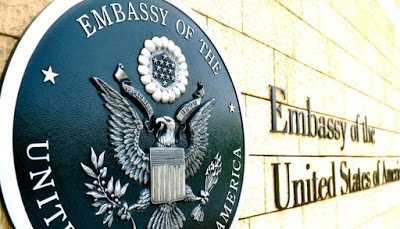
The United States Mission in Nigeria has clarified that its recent decision to reduce visa validity for Nigerian non-immigrant applicants from five years to three months was not in retaliation to any specific actions taken by the Nigerian government.

Responding to widespread speculation and backlash, the US Embassy emphasized that the policy change was not tied to Nigeria’s stance on accepting Venezuelan deportees, its new e-visa policy, nor its affiliations with BRICS.

In a post shared on X (formerly Twitter) on Friday, the US Mission stated, “We value our longstanding partnership with Nigeria and remain committed to working closely with the Nigerian public and government officials to help them meet those criteria and benchmarks, thereby ensuring safe, lawful, and mutually beneficial travel between our nations.”

The statement also noted that the shortened visa duration is part of a “global review of the use of US visas by other countries using technical and security benchmarks to safeguard US immigration systems.” While the embassy initially cited “reciprocity” as a reason, the latest communication appeared to walk that back, distancing the decision from any direct bilateral dispute.

The move, however, has drawn criticism from Nigerian officials. The Nigerian presidency swiftly faulted the US Embassy’s justification, stating that the reasoning based on reciprocity does “not accurately reflect Nigeria’s current visa policy towards US citizens.”

Tensions heightened further after Minister of Foreign Affairs, Yusuf Tuggar, suggested that the US policy might be a response to Nigeria’s refusal to accept deportees—particularly prisoners of Venezuelan origin—from the United States.

In an appearance on Channels Television’s Politics Today, Tuggar stated that, “It will be difficult for a country like Nigeria to accept Venezuelan prisoners into Nigeria. We have enough problems of our own.
We cannot accept Venezuelan deportees to Nigeria for crying out loud. We already have 230 million people. You will be the same people that would castigate us if we acquiesce to accepting Venezuelans from US prisons to be brought in.”

The US Mission in Nigeria later denied that the new visa restrictions had anything to do with Venezuela, reinforcing that the changes are technical and system-driven.

Despite diplomatic assurances, the development continues to raise eyebrows in policy circles and among ordinary Nigerians, many of whom are concerned about the implications for travel, business, and educational opportunities in the United States.

While both governments have reaffirmed their commitment to maintaining strong ties, the controversy highlights the fragile balance between immigration policy, diplomacy, and national interests. Read More

Tradition Meets Honour as Erinle Sakibu Akanji Installed as Odogun of Otta Ceremony

Royal endorsement, cultural fanfare, and communal solidarity mark the ascension of Osi Quarters’ son to a revered chieftaincy title in Aworiland

Tradition Meets Honour as Erinle Sakibu Akanji Installed as Odogun of Otta Ceremony

Otta, Ogun State – The ancient town of Otta came alive with colour, chants, and cultural pride as Chief Erinle Sakibu Akanji was officially installed as the new Odogun of Otta, a distinguished traditional title in Aworiland. The event, steeped in time-honoured rituals, took place at Enu Owa, the sacred ground reserved for performing such revered rites in the historical town.

According to a statement made available to Newsheadline247 by Prince Adeyemi Sulaimon Olusesi, Principal Secretary to His Majesty, the Olota of Otta, the Odogun Ori Family of Osi Quarters had formally presented Chief Erinle as their nominee. This presentation, having followed due traditional processes, culminated in his official installation by His Majesty, Oba (Prof.) Adeyemi Obalanlege, Ph.D, Olofin Apesin Olode, Lanlege Ekun II, Arole Iganmode.

The Olota, in his royal message during the ceremony, congratulated the newly installed Odogun and charged him to uphold the dignity and legacy of his new title. “This is not merely a personal honour,” His Majesty declared, “but a call to service — to the people, to our history, and to the continued unity and progress of Ottaland.”

Kabiyesi also called on the Odogun Ori Family and the entire Osi Quarters to give their unwavering support to Chief Erinle as he assumes his traditional responsibilities.

The occasion was graced by an impressive assembly of the Olota-in-Council, including: Oba Clement Olusegun Akinyemi – Ajana of Otta, Oba Akeem Odunaro  – Onikotun of Otta,  Oba Wadudu Deinde – Akogun Oloruba, High Chief Isiaka Idowu Balogun – Balogun of Otta,  High Chief Oyedele Deinde – Oluwo of Otta, High Chief Ezekiel Bamisaiye Fadipe – Aro of Otta, High Chief Oladele Adeniji – Odota of Otta and High Chief Rufiat Ojugbele-Mathew – the Iyalode of Otta, High Chief Iyabo Ahmed -Yeye Iwase of Otta. 

Their presence further underscored the importance of the title and the unity among Otta’s royal and traditional leadership.

Strong solidarity also came from the Council of Chiefs of Osi Otta, Chief Erinle’s home quarters. Leading the contingent was the newly appointed Regent of Osi Otta, Chief Abayomi Oluwadamilare Omoroga (Eletu of Osi and of Otta), supported by Chief Muiz Ojugbele – Asalu of Osi Otta, Chief Maroof Adeshina – Akogun of Osi Otta, Chief Sulaimon Ganiu Ajibawo – Oluomo of Osi Otta, Chief Jide Ojuko-Madek – Aare of Osi Otta and Baale Ademola Adegbite – Baale of Isoloshi Tuntun Otta.

Other notable dignitaries, family members, and well-wishers joined in a festive atmosphere that included chants, drumming, dancing, and prayers—painting a vivid picture of Otta’s vibrant traditional culture.

The installation of Chief Erinle Sakibu Akanji as the new Odogun of Otta is not only a continuation of royal tradition but a reaffirmation of the people’s devotion to the preservation of their identity, heritage, and cultural pride. With his ascension, expectations are high for a reign marked by peace, progress, and people-centred leadership. Read More

Dapo Abiodun’s Educational Qualifications: The Moral Burden

0

A few weeks ago on my way to Ibadan I drove past a secondary school in Iperu where paintings of several icons dotted the fence. The objective was clear, the management wants the school children to be inspired by the many giants and men who have accomplished something in life with the education they acquired. Some of the paintings had the picture of Mr. Dapo Abiodun (hun!!!), the Governor of Ogun State, Professor of Letters and Literature Wole Soyinka, former Governor of Ogun State, Otunba (Engr.) Gbenga Daniel, FNSE, FNAENG and deservedly Engr. Noimot Salako-Oyedele, the Deputy Governor of Ogun State and a host of others. My mind raced back to my years in the primary school, and the song we used to sing “Bàtà mí á dún ko ko kà, Bàtà mí á dún ko ko kà, bí mbá kà’wé mi, Bàtà mí á dún ko ko kà.”

Ours is a society that places premium on education, integrity, industry and enterprise. Our childhood was exciting and most of our earlier trainings were rooted in learning by rote and lessons taught in songs. “Je Olotito, je Omo rere, Jesu fe ki gbogbo wa, je omo rere” was used to teach us the values of integrity and honesty and expectations of the society from us. We were taught why we should respect our mothers with “Iya ni Wura iyebiye, ti a ko le f’owo ra, Oo l’loyun mi f’osu mesan, oo pon mi f’odun mefa…” I must confess I had a nostalgic recall of those prime years of tranquility where we had less to worry about security, or even poverty. As far as we were concerned our individual parents were the richest, because we were less exposed to the competitions and contests of luxuries. The leadership of the community was determined by honesty, generosity, courage, integrity and wisdom. They celebrate personal achievements and successes only if you could justify the source. But, Time has changed.

While reliving the nostalgic moments, a few days later, news of the consolidated graduation ceremony at the Moshood Abiola Polytechnic, Abeokuta went viral and I also saw Mr. Dapo Abiodun, in the hood of Academic Gown as Visitor to the Institutions. My mind became restless again trying to deconstruct the sanctimonious interpretation of wearing a graduation gown with which we have been weaned and the contradictions involved in this. We were told in those years that the wearing of these gowns is a symbol of accomplishment, having been trained in “character and learning”. And this was usually a solemn moment for us because the experience carried with it a sense of spiritual or ecclesiastical feeling of piousness. Matriculation gowns are usually separated from graduation gowns, which means it is not all those who wore the “matric” gowns that would wear the graduation gowns. We were told (I have never witnessed one), that a student at the point of expulsion is made to wear the graduation gown which is also symbolic of having completed his or her education through bad character. But essentially the solemn ceremony at graduation was also designed to inspire undergraduates to also wish to one day wear these gowns.

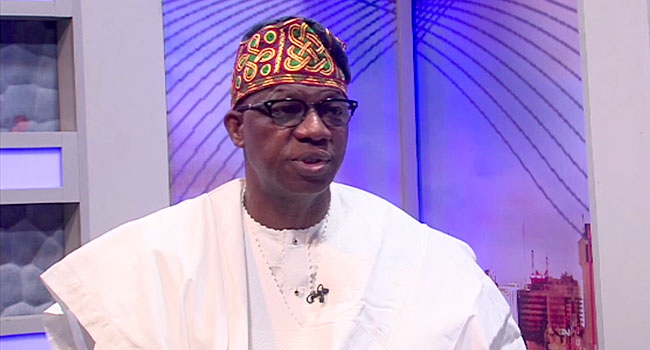
Seeing Mr. Abiodun in an Academic Gown therefore send me back to the less impressive interview that he granted a Channels TV reporter a few years ago, where he claimed the discourse around his educational Qualifications is a matter before the court. In what many interpreted as a deliberate sidestep of his career integrity. I then ask myself if Mr. Dapo Abiodun can indeed be an inspiration to any younger generation. I would have thought the management of institutions displaying his image and showcasing him as a symbol of academic excellence would require him to first clear the air on this academic qualifications issue.

Dapo Abiodun can only inspire students to short circuit knowledge and live on falsehoods as he cannot inspire to the values of excellence and integrity as long as he was not forthcoming on the real schools that he attended, parade his school mates, and show to the world his certificates. Several official records and citations of his have been read at public fora, claiming academic excellence in some institutions of higher learning to which he is now living in denial. Should our society continue to reward and returning characters with doubtful identity with leadership positions and what manner of lessons do we expect our children to pick from his kind.

Felá Omo ewú kélé Maja
 _Ògìrìyàn tí nsunkún àtánde gbangba
Ilé ewú l’otun, t’Akijà lósì_

Stop Expecting Loyalty From People Who Don’t Even Know What Loyalty Means

0

By Comrade Owolabi Aleshinloye OwoSports July 13th, 2025

Stop Expecting Loyalty From People Who Don’t Even Know What Loyalty Means

In today’s fast paced world of fleeting relationships and self-interest, loyalty is becoming increasingly rare. We often find ourselves hurt or betrayed, not necessarily because others are cruel, but because we expect loyalty from people who have no idea what it truly means. This article explores why we must stop placing such expectations on the wrong people, and how to protect our peace in the process.

Let’s begin by asking ourselves some salient questions and providing practical answers!

What Does Loyalty Really Mean?

Loyalty isn’t just about being physically present. It’s about emotional commitment. It’s sticking with someone not only when it’s convenient but especially when it’s hard. Loyalty means:
• Defending someone in their absence
• Keeping confidences private
• Standing by someone through challenges
• Being consistent in words and actions

But here’s the harsh reality: not everyone understands this. Some see relationships as transactions. Others only stay close when they benefit. If loyalty isn’t in their nature, expecting it from them is a guaranteed recipe for disappointment.

Why You Keep Getting Hurt

  1. You Assume Everyone Thinks Like You.

You value loyalty, so you expect it in return. But not everyone has the same moral compass. Some people prioritize convenience, popularity, or self-interest over commitment.

  1. You Ignore Red Flags

Maybe they’ve talked badly about friends behind their backs, or they vanished when you needed them most. Often, the signs are there, you just chose to overlook them.

  1. You Overestimate the Relationship

Just because someone shares laughs, secrets, or goals with you doesn’t mean they’ll stay loyal when times get tough. True loyalty is proven in silence, not just spoken in words.

How to Identify the Disloyal
• They only come around when things are going well.
• They gossip or betray your trust behind your back.
• They show support publicly but compete privately.
• They expect loyalty from you—but rarely give it.

These are not your people. These are people who like the idea of being close to you, but aren’t invested in staying by your side when it costs them something.

The Emotional Cost of Expecting Too Much

The more you expect loyalty from the wrong people, the more drained and resentful you become. You start questioning your worth, your judgment, and even your ability to trust. The problem isn’t your standard, it’s who you’re applying it to.

Let this be your turning point.

How to Protect Your Peace

  1. Observe Patterns, Not Promises:

Words mean nothing without consistent action. Trust people based on their patterns, not their potential.

  1. Set Boundaries:

You don’t have to cut people off. But you do need to stop giving them full access to your trust, time, and energy.

  1. Choose Character Over Chemistry:

Just because you click with someone doesn’t mean they have character. Invest in relationships where values align, not just vibes.

  1. Don’t Try to Teach Loyalty:

Loyalty is not something you teach, it’s something you see. If you have to constantly remind someone to be loyal, they’re not truly loyal.

Final Thoughts And Practicable Advice!

Stop expecting loyalty from people who don’t even know what loyalty means. It’s not your job to educate or fix them. It’s your job to protect your peace, your heart, and your energy.

Start investing in people who show up without being asked, defend you without being told, and stay even when it’s easier to walk away.

Because loyalty isn’t a request, it’s a reflection of someone’s soul.

Aregbesola and the Bitter Price of Political Betrayal – Yari Movement

By Kabir Ali Danbaba

Aregbesola and the Bitter Price of Political Betrayal – Yari Movement

It was with a mix of bemusement and disbelief that we read the recent statement by former Minister of Interior and former Osun State governor, Ogbeni Rauf Aregbesola, now parading himself as the National Secretary of the African Democratic Congress (ADC).

In Akure, Ondo State, the same man who rose to political stardom through the unwavering support and mentorship of President Bola Ahmed Tinubu, declared a new political mission: to lead a grand coalition of opposition forces against the All Progressives Congress (APC) in 2027.

For those who know the story well, this declaration is not just laughable — it is tragic. It is the classic tale of the scorned mentee, whose ambition has grown too wild to be confined by loyalty or gratitude. Aregbesola’s call for a united opposition front is, on paper, democratic. But in practice, it is nothing short of political heresy.

Let’s revisit the facts. Ogbeni Aregbesola was not just another politician. He was a man molded by Asiwaju Tinubu — handpicked, mentored, empowered, and protected. When all that was initially sought for him was a Special Adviser role in Lagos, Tinubu elevated him to a full commissioner in one of the most strategic ministries: Works and Infrastructure. It was a gesture that redefined his political trajectory.

When he aspired to be Governor of Osun, it was Asiwaju who put his weight behind him — funding the campaigns, navigating the legal landmines, and ensuring victory despite the institutional resistance at the time. Through Tinubu’s support, he governed Osun for eight years and was later rewarded with a ministerial role under the APC administration.

Yet, today, this same man now claims to be building a new political machine to dislodge the party — and the man — that gave him everything.

It is important for Nigerians to understand what this really is: not a patriotic movement, but a personal vendetta. This is not a coalition for good governance, but a coalition of the disgruntled. ADC is not the voice of progressives; it is becoming the echo chamber for political castaways, driven by jealousy, bitterness, and inflated self-worth.

President Bola Tinubu, by every standard, has demonstrated transformational leadership, courage in decision-making, and unwavering dedication to the progress of Nigeria. His track record, both as governor and as president, speaks for itself. That Aregbesola — who knows this truth more than most — would turn around to deny it is both shameful and revealing.

Politics must have a soul. When you strip it of loyalty, character, and honour, what you’re left with is not a movement — but a mutiny.

Ogbeni Aregbesola may continue with his dreams. He is free to join forces with whoever shares in his misplaced ambition. But let it be known that the Nigerian people are not deceived. They see through this charade. And when the time comes — in 2027 — they will stand by the man who has always stood by them.

President Tinubu will not only return triumphantly, he will also lead this nation into a new era of stability, prosperity, and inclusive development. No amount of political betrayal can stop that.

By Kabir Ali Danbaba
Chairman, Yari Renaissance Movement for Tinubu 2027

Lagos Steps Up: Wahab’s Cleanup Blitz And Plastic Ban Herald A New Environmental Era | By Babajide Fadoju

0

Beyond enforcement, Wahab has prioritized dialogue to sustain policy legitimacy. He has engaged citizens through live interviews on platforms

Lagos Steps Up: Wahab’s Cleanup Blitz And Plastic Ban Herald A New Environmental Era | By Babajide Fadoju

Over the past fortnight, spanning late June through early July 2024, Lagos State has embarked on an aggressive environmental transformation under the directive of Commissioner Tokunbo Wahab. This campaign combines rigorous enforcement, proactive cleanups, and a landmark ban on single-use plastics, signaling a decisive shift in the state’s ecological governance. Wahab’s hands-on leadership, amplified by strategic media engagement, is steadily converting skepticism into tangible progress across Africa’s largest metropolis.

The most consequential development unfolded on July 1st, when Lagos commenced full enforcement of its ban on single-use plastics and styrofoam containers. Now entering its second week, this policy has ignited vigorous debate across social media platforms, news outlets, and community forums. Early critics alleged inadequate stakeholder consultation, but the Ministry of Environment and Water Resources has systematically countered these claims. Through a multifaceted approach involving town hall meetings, digital explainer videos, and daily on-ground visibility, Wahab’s team has demonstrated extensive pre-implementation outreach.

Commissioner Wahab’s digital communication strategy has been particularly instrumental in driving awareness. Across Instagram, X (formerly Twitter), and Facebook, his accounts feature real-time documentation of enforcement squads confiscating prohibited materials, community cleanups unclogging critical drainages, and educational content underscoring the policy’s urgency. Viral reels revealing styrofoam-choked canals in Mushin and Bariga, juxtaposed with infographics on sustainable alternatives like reusable packaging and plantain-leaf wrappers, have translated abstract environmental concerns into visceral public understanding. This consistent visibility, officials argue, has achieved what years of subdued advisories failed to accomplish: fostering collective accountability.

The groundwork for this shift was laid in late June through targeted “Operation Deep Clean” exercises. Commissioner Wahab personally supervised multi-agency raids along environmental blackspots including the Agege Railway Corridor, Oke Koto, Isale Oja, and Agidingbi. These operations resulted in nearly 100 arrests for illegal waste dumping, unauthorized trading on drainage setbacks, and obstruction of rail corridors. Critically, each raid was documented and disseminated online, showcasing both the scale of degradation and the government’s resolve. This fusion of physical enforcement with digital transparency represents a new template for public accountability in Lagos’ governance.

Beyond enforcement, Wahab has prioritized dialogue to sustain policy legitimacy. He has engaged citizens through live interviews on platforms like The KK Show, hosted dedicated sessions with market unions, and maintained responsive communication via social media comment threads. This accessibility has reframed the narrative: environmental compliance is positioned not as punitive imposition but as shared civic responsibility. In Lagos’ hyper-connected digital landscape, where misinformation can undermine policy credibility, this proactive engagement has anchored public discourse in verifiable actions.

The dual strategy of regulation and persuasion is yielding early behavioral shifts. Though challenges persist, particularly in regulating informal vendors and major markets like Balogun and Mile 12, observable changes are emerging. Markets in Ojota, Yaba, and CMS now display signage promoting reusable containers, while food vendors openly encourage customers to bring their own bowls, a cultural shift in Lagos’ convenience-driven street economy. Bulk-buy cooperatives for biodegradable packaging have reportedly formed among trader associations, signaling grassroots adaptation.

The true significance of these weeks extends beyond cleaner streets or reduced single use plastic volumes. It represents a rupture in Lagos’ longstanding cycle of environmental apathy. Previous initiatives often faltered against public cynicism and institutional inertia. Wahab’s approach; blending uncompromising enforcement with relentless public engagement, suggests that visible political will can recalibrate civic attitudes.

The success of Lagos State’s bold ban on single-use plastics (SUPs) hinges critically on effective enforcement. This is where the Lagos Waste Management Authority (LAWMA) steps into the spotlight as the operational linchpin. Charged with translating policy into tangible action, LAWMA’s mandate extends far beyond simple waste collection; it is now the frontline agency actively enforcing the ban across the mega-city.

LAWMA’s enforcement isn’t just about punitive measures; it’s a multi-pronged strategy: Rigorous monitoring and compliance checks target businesses and individuals, ensuring the ban’s regulations are understood and adhered to. Simultaneously, LAWMA is driving a massive public awareness campaign, conducting stakeholder meetings, and deploying multilingual educational materials to foster understanding and voluntary compliance. Crucially, they are integrating the ban into the core of waste management, promoting segregation, boosting recycling infrastructure, and developing systems to handle the transition away from ubiquitous SUPs.

Recognizing the scale of the challenge, LAWMA is also forging key collaborations – partnering with waste collectors, recyclers, and the private sector to build a cohesive ecosystem supporting the plastic-free vision and encouraging broader adoption of sustainable practices.

Nevertheless, substantial hurdles remain. Eight days of plastic enforcement cannot magically rectify decades of unregulated waste; two weeks of cleanups barely address systemic infrastructure gaps. Maintaining momentum requires scaling enforcement to industrial producers of single-use plastics, investing in affordable alternatives for low-income traders, and deploying circular economy solutions for plastic waste collection.

Environmental transformation is inherently protracted and underappreciated work. Yet Lagos’ recent actions under Commissioner Wahab reveal critical ingredients for success: leadership that operates in the public eye, policies grounded in operational realism, and a communication strategy that documents rather than declaims. If sustained, this model may finally turn the tide toward a Lagos where cleaner streets evolve into a healthier, more resilient urban future. Read More

Ex-Afromedia Director, Mohammed Gobir, Bags 7 Years for N300m Fraud in Lagos

Ex-Afromedia Director, Mohammed Gobir, Bags 7 Years for N300m Fraud in Lagos

Justice R.I.B. Adebiyi of the Lagos State High Court in Ikeja has convicted and sentenced Mohammed Gobir, a former non-Executive Director of Afromedia Plc, to seven years in prison for defrauding the company of over N300 million under false pretence.

The judgment, delivered on Wednesday, July 9, 2025, marked the end of a decade-long legal battle following Gobir’s arrest by operatives of the Economic and Financial Crimes Commission (EFCC) on September 12, 2015, at his Ikoyi residence. His arrest came after a petition by Afromedia Plc, an outdoor advertising firm.

According to the petition, Gobir was introduced to Afromedia in 2008 by its private placement consultants, Synergy Capital Advisory Limited. He had pledged to invest N1 billion in the company—a claim that earned him a place on the board as Chairman of the Business Development Committee.

However, investigations revealed that Gobir used the trust reposed in him to siphon millions from the company under the guise of securing a bogus $70 million investment from a fictitious NATWEST Bank account in the UK.

On March 17, 2016, the EFCC arraigned Gobir on a 17-count charge bordering on obtaining money by false pretence, stealing, forgery, and possession of fraudulent documents.

One of the charges reads:

“That you, Mohammed Gobir, between January 2009 and December 2011 in Lagos, with intent to defraud, obtained the sum of N514,457,151.87 from Afromedia Plc by falsely claiming it was to facilitate a $70 million investment from your account at NATWEST Bank, UK— a claim you knew to be false.”

Gobir pleaded not guilty, prompting a full trial. The prosecution, led by EFCC counsel Nnaemeka Omewa, called four witnesses and tendered multiple documents, while the defence called three witnesses.

Justice Adebiyi, in her ruling, found Gobir guilty on multiple counts. He was sentenced to: Seven years imprisonment on count 1 (obtaining under false pretence), Six months imprisonment each on counts 4 and 5 (stealing), and Seven years imprisonment on counts 8, 11, 14, and 17 (possession of fraudulent documents).

The judge ordered the sentences to run concurrently, meaning Gobir will serve a maximum of seven years.

Furthermore, the court mandated the convict to pay $1 million USD and ₦123 million in restitution to Afromedia Plc for the theft charges.

Justice Adebiyi, however, discharged Gobir on charges related to forgery and possession of forged documents, citing insufficient evidence.

With this ruling, the EFCC scores another win in its ongoing campaign against corporate fraud and financial crimes in Nigeria. Read More

Details: Trump’s visa clampdown linked to Nigeria’s refusal to house asylum seekers – REPORT

0

Details: Trump’s visa clampdown linked to Nigeria’s refusal to house asylum seekers – REPORT

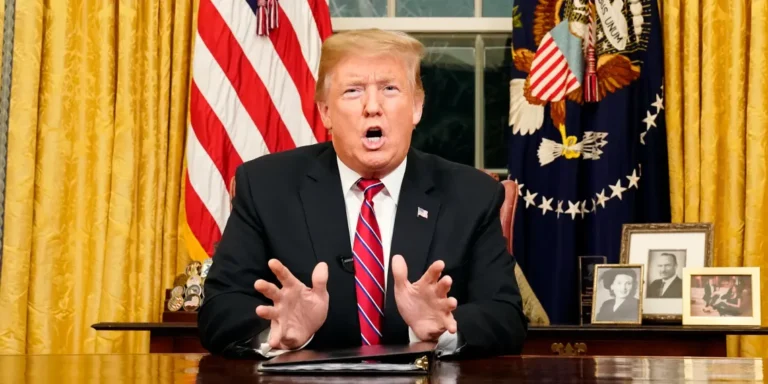
Nigeria’s refusal to accept asylum seekers from the United States is partly responsible for the recent visa restrictions imposed on the country by President Donald Trump, TheCable reports.

TheCable understands that the talks are part of broader demands from the Trump administration which are currently being negotiated.

Diplomatic sources told TheCable that the US president has been putting pressure on many countries to serve as temporary home for asylum seekers until their cases are treated — and this usually takes up to seven years.

While some countries have agreed, Nigeria has refused to be part of the arrangement.

Trump typically raises the bar in negotiations by slamming very high penalties on the other party until he gets the better part of the bargain.

He has been applying this strategy in his tariff war with a number of countries.

The US embassy had announced on Tuesday a reduction in the validity period and entry allowance for “most” non-immigrant and non-diplomatic visas issued to Nigerians, effectively limiting the legality of their stay in the US to three months with a single entry.

An alleged imbalance in visa reciprocity from Nigeria was cited on social media as reason for the hard-hitting penalty, although the exact details were not made public by the US.

The announcement came as a shock to Nigerians and there were claims — now confirmed to be false — that Nigeria caused the policy change by stopping to issue five-year visas to American citizens.

A physical embassy-issued Nigerian visa for US citizens still has a validity that ranges from three months to five years, with either single or multiple entry — depending on the visa category.

Nigeria introduced its e-visa on March 1, aiming to make the process more accessible by eliminating the need for embassy visits and the highly poorly managed visa on arrival.

The e-visa is valid for 90 days from the date of issuance and allows single entry into Nigeria with a maximum stay of 30 days.

The changes were not limited to US citizens as they affected ALL non-ECOWAS nationals requiring visas to enter Nigeria.

However, the US does not offer such a visa category to Nigerians despite the reciprocity agreement.

Diplomatic sources told TheCable that the bone of contention is beyond the non-existent gaps in visa reciprocity.

FAILED DEAL TO SEND ASYLUM SEEKERS

Since taking office in January, Trump has signed a flurry of executive orders aimed at deporting millions of “illegal immigrants” — many of whom are asylum seekers — back to their countries of origin. 

The US also pressured third countries to accept deported individuals who were not their nationals, a move widely condemned by human rights groups. 

Some of the considered Central American countries were El Salvador and Panama, while in Africa, Libya, South Sudan, Rwanda, and Djibouti were identified as preferred destinations.

A few of these countries have already received some deportees.

On June 9, the US supreme court cleared the way for migrants to be deported to third countries — even to those facing conflict — instead of returning them to their home nations.

TheCable learnt that the US also approached Nigeria to receive the deported asylum seekers.

While the specifics of the arrangement were not disclosed, diplomatic sources confirmed that discussions took place but were unsuccessful owing to Nigeria’s unwillingness to accept non-citizens, many of whom had a number of years left to finalise their asylum applications. 

A large number of the deportees are also believed to be convicted prisoners.

The proposed arrangement closely mirrors the controversial asylum deal between the United Kingdom and Rwanda, which faced legal and political setbacks and remained largely unimplemented.

Under the scheme, the Home Office agreed to pay money to support economic growth in Rwanda and provide extra payments to cover the cost of processing and relocating migrants there.

The UK government has already paid £220 million to Rwanda under the arrangement.

But shortly after assuming office, Prime Minister Keir Starmer said the plan had been “dead and buried”.

MORE DEMANDS

TheCable learnt that the US also pushed for the option of allowing its citizens to electronically apply for Nigeria’s five-year visa without visiting an embassy. 

But sources familiar with the negotiations said Nigeria was not open to the request, citing concerns over reciprocity, as similar American visa privileges are not extended to Nigerians.

In its Tuesday updated visa policy, the US embassy said Nigeria still needs to meet certain criteria to improve the visa reciprocity standing.

The embassy listed the requirement to include issuing secure travel documents with verifiable identities, effectively managing visa overstays, and sharing relevant security and criminal record information with US authorities.

TheCable understands that what the US wants is access to Nigeria’s criminal database so that Nigerians with previous criminal records who are now living in the US can be identified for deportation.

‘THE ART OF THE DEAL’

Since returning to the presidency, Trump has wielded the tactics outlined in his co-authored book, ‘The Art of the Deal’, as the blueprint for his approach to global negotiations, particularly on tariffs and migration deportations. 

The president’s signature style — marked by bold threats, high-stakes brinkmanship, and a willingness to walk away — has shaped both US trade policy and immigration enforcement. 

On tariffs, he has repeatedly imposed steep levies on trading partners, only to offer temporary reprieves as leverage for bilateral agreements.

Nigeria’s alignment with BRICS, an economic bloc Trump has repeatedly criticised, has done little to draw favours from the US presidency.

On Wednesday, Nigeria was conspicuously absent in Trump’s meeting with other African leaders at the White House aimed at improving economic cooperation .

In reaction to the visa policy update, Nigeria said the decision appeared misaligned with the principles of reciprocity, equity, and mutual respect that should guide bilateral engagements between friendly nations.

Nigeria urged the US to reconsider its decision in the spirit of partnership, cooperation, and shared global responsibilities. Read More

Credit: TheCable

[PHOTOS] Aregbesola Flags Off ADC Southwest Mobilization in Ondo, Vows to Challenge APC in 2027

0

The Ondo visit marks the beginning of a broader Southwest strategy aimed at consolidating support across the region’s six states

[PHOTOS] Aregbesola Flags Off ADC Southwest Mobilization in Ondo, Vows to Challenge APC in 2027

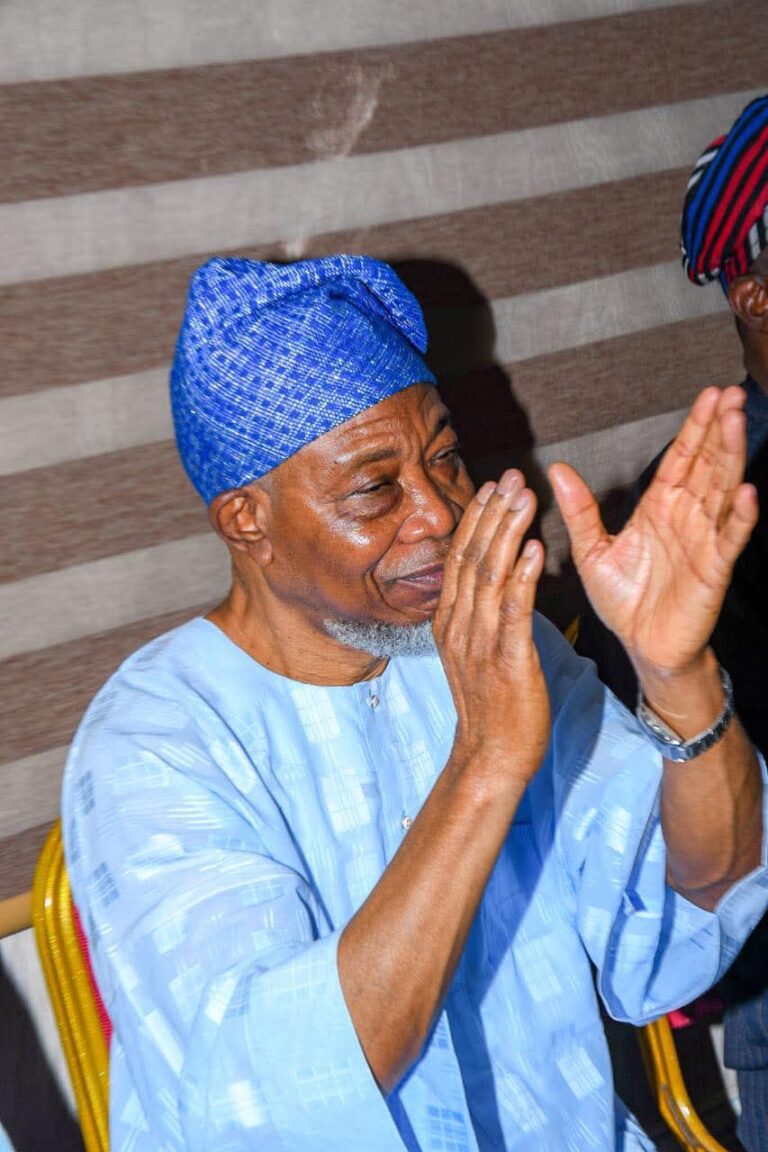
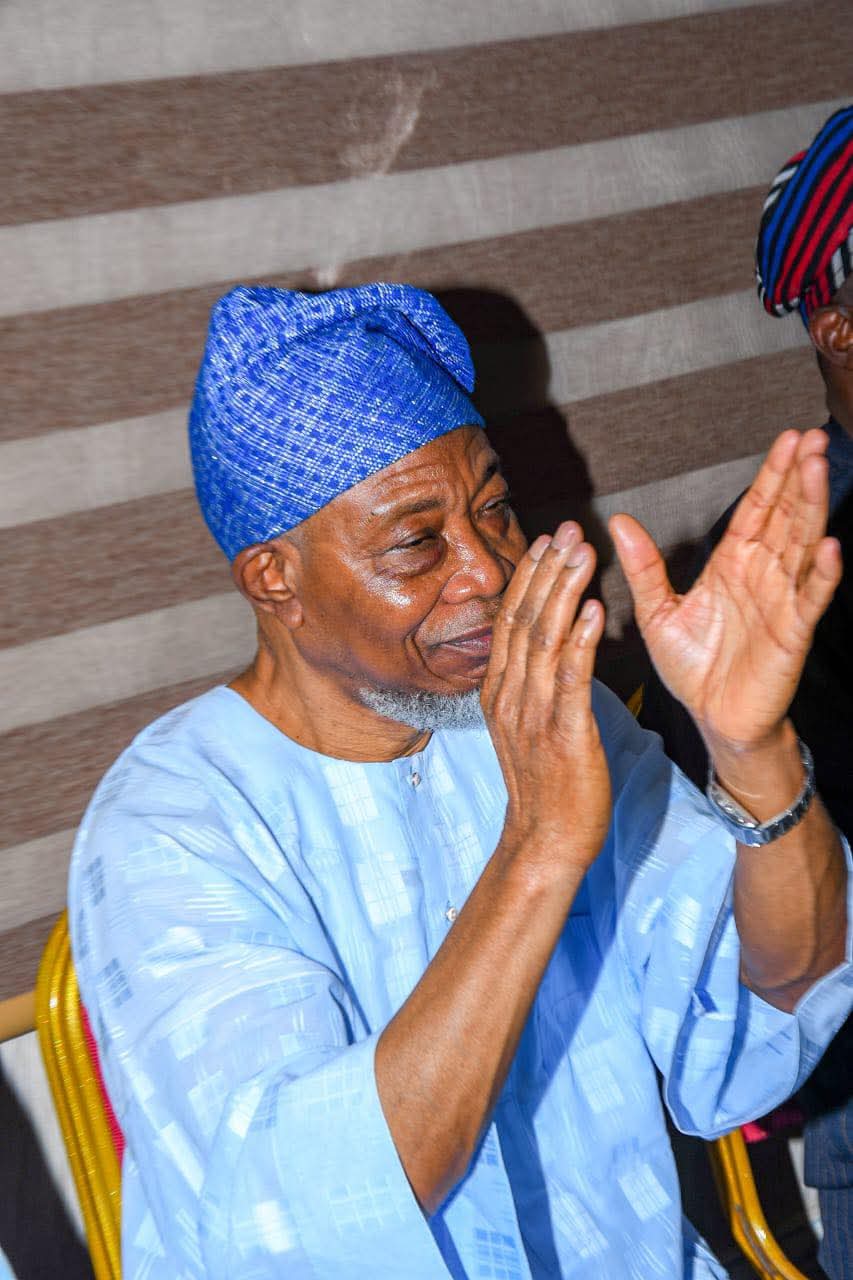
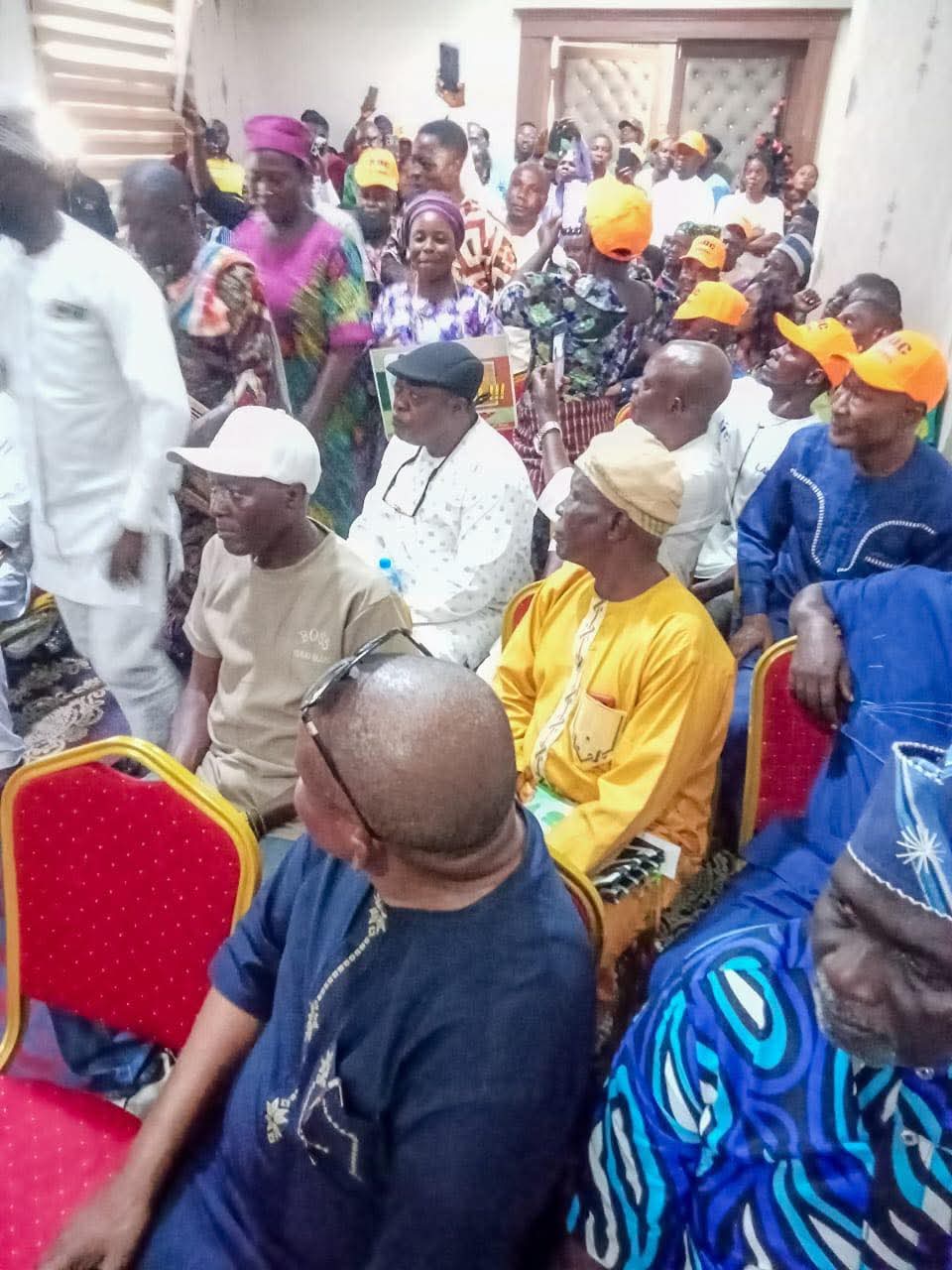
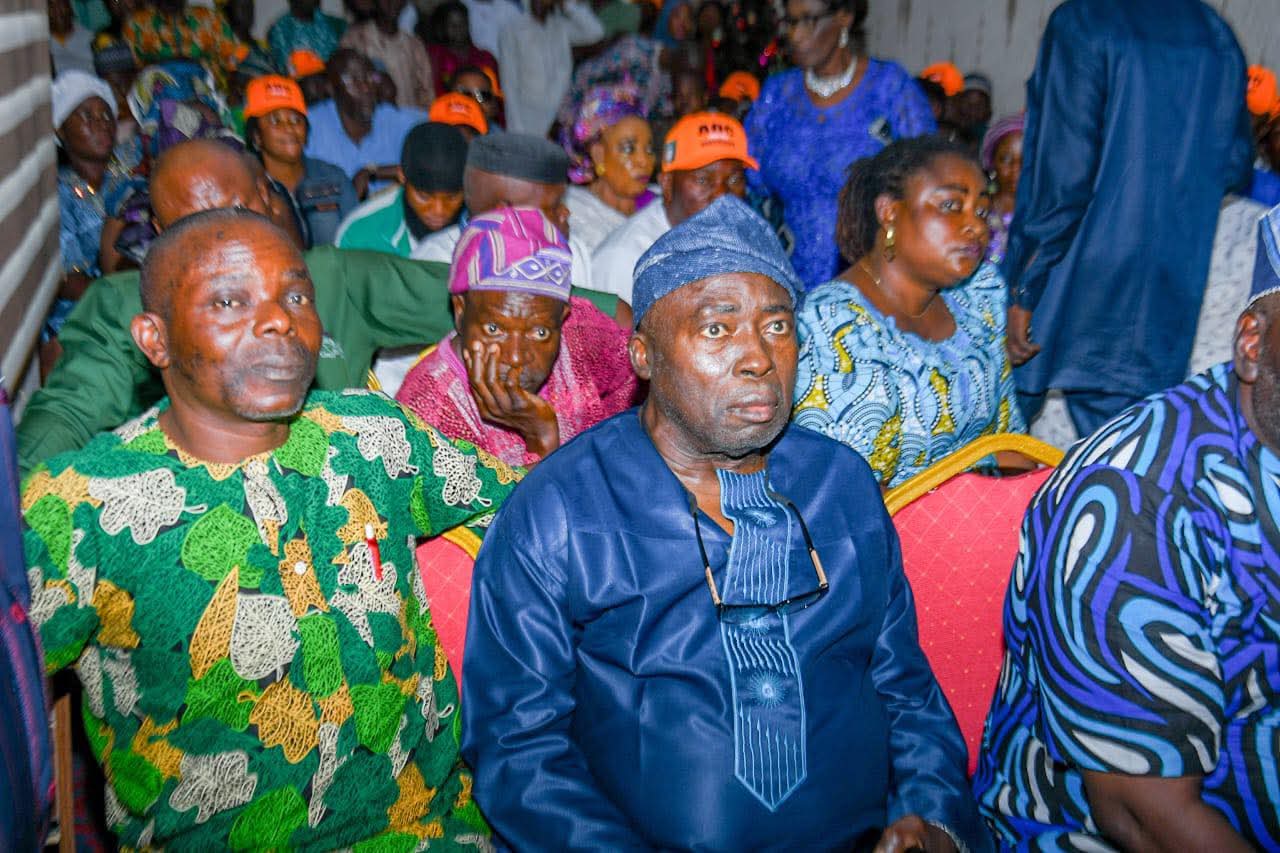
Former Osun State Governor and ex-Minister of Interior, Rauf Aregbesola, has officially launched a major grassroots mobilization campaign in the Southwest for the African Democratic Congress (ADC), signaling a bold move to reshape the region’s political landscape ahead of the 2027 general elections.

Aregbesola, now the National Secretary of the ADC, kickstarted the tour in Akure, Ondo State, where he met with key opposition figures and energized supporters drawn from various parts of the state.

In his address, Aregbesola described the ADC as a party rooted in progressive ideals and people-centred governance, declaring that it is “a principled stand to put the people first at the centre of government and politics.”

“Our goal is to bring a people-friendly government and people-friendly politics that truly place the people at the heart of governance,” he stated, drawing loud cheers from the gathering.

The Ondo visit marks the beginning of a broader Southwest strategy aimed at consolidating support across the region’s six states—Ondo, Ekiti, Oyo, Ogun, Lagos, and Osun—as the ADC-led opposition coalition positions itself to challenge President Bola Ahmed Tinubu’s ruling All Progressives Congress (APC) in 2027.

Aregbesola called on Nigerians disillusioned with the current state of the nation to align with the ADC’s vision.

“We are a beacon for progressives who believe in justice, equity, and a better Nigeria. If you feel abandoned by the present administration, now is the time to rise, reclaim your voice, and shape the future,” he urged.

Insiders reveal that similar mobilization efforts, led by Aregbesola, are already being planned in the remaining Southwest states, where the former minister retains significant grassroots influence.

The event ended on a high note as Aregbesola led the crowd in the party’s rousing slogan: “ADC! Arise and Shine!”—a chant that echoed throughout the venue.

With the ADC’s Southwest campaign now underway, political observers say the stage is set for a heated contest as opposition forces rally to disrupt the ruling party’s stronghold in the region.