
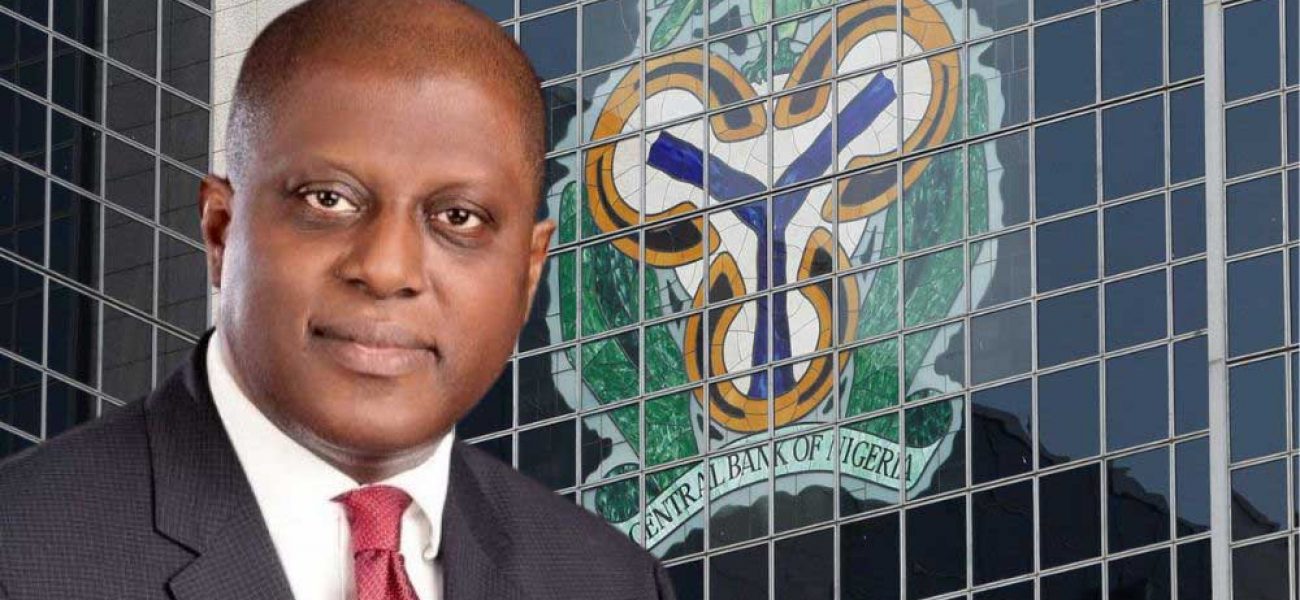



CBN Governor Olayemi Cardoso says Nigeria has achieved its $1bn monthly diaspora remittance target and is aiming for $1.5bn by mid-2027
Nigeria Achieves $1bn Monthly Remittance Target – CBN
Nigeria has achieved its target of attracting $1bn in monthly diaspora remittances, the Central Bank of Nigeria (CBN) Governor, Olayemi Cardoso, has announced.
Cardoso disclosed this on Friday at the 61st Annual Bankers’ Dinner of the Chartered Institute of Bankers of Nigeria in Lagos, saying the apex bank was now working towards increasing monthly remittance inflows to $1.5bn by the end of the first half of 2027.
The CBN governor said the achievement marked progress in efforts to strengthen formal remittance channels and improve the experience of Nigerians living abroad.
“When I stood before you last year. I spoke of our ambition to increase monthly remittances to $1 billion a month. I am pleased to report that this milestone has been achieved.
“We are now working towards increasing monthly remittances to $1.5 billion by the end of the first half of 2027,” Cardoso said.
He also highlighted improvements in international payment services, noting that Nigerians abroad could now make payments more conveniently with their cards.
“The fact that you can go abroad, put in your card, and make payment, yes, that is great convenience for everybody, great convenience. But beyond all that, one thing we should never forget — three years ago, two years ago, you couldn’t do all these things.
“And what used to happen, you go somewhere, you want to make payments, you either have to pay in cash or use a card, which gets thrown away, and you’re disrespected,” he said.
“What this has done, it has brought back the respect of all Nigerians abroad,” he added.
Cardoso commended licensed International Money Transfer Operators for their contributions to improving transparency, investing in technology and expanding formal remittance channels, particularly across Asia.
He said the next phase of Nigeria’s financial sector reforms would focus on deepening market liquidity, widening participation and increasing the range of financial instruments available to businesses and investors.
Providing an update on developments in the financial markets, the CBN governor said the naira had strengthened by approximately six per cent over the past year, while daily foreign exchange market turnover had at times exceeded $1bn.
He added that daily turnover in the fixed income market averaged N1.5tn, supported by a credible tradable benchmark yield curve extending to 10 years.
“The naira has strengthened by approximately six per cent over the past year, while daily foreign exchange market turnover has at times exceeded $1 billion.
“In the fixed income market, daily turnover averages N1.5 trillion, supported by a credible tradable benchmark yield curve extending to 10 years.
“What, what does all this mean? It is an encouraging sign of growing market confidence. The market deepens; more activity takes place when there’s confidence in the market,” he said.
According to Cardoso, the priority is to ensure that Nigeria’s financial markets continue to promote efficient price discovery and the effective allocation of capital.
He cautioned that a well-functioning foreign exchange market should not be expected to maintain a fixed exchange rate, explaining that currency movements in response to economic fundamentals and global developments were normal.
“As recent movements in the foreign exchange market remind us, a well-functioning market does not mean that prices remain static. It does not mean that prices remain static.
“They go up, they come down. Volatility is an inherent feature of global financial markets, and a market-determined exchange rate must be allowed to move in both directions in response to macroeconomic fundamentals and global development.
“Emerging market currencies, including ours, have experienced volatility amidst changes in the United States’ interest rate environment and global risk sentiment.
“Nigeria, as I have said, is part of this interconnected global financial system, but believe me, we are considerably better equipped to manage external shocks than we were three years ago.”
The CBN governor said stronger external buffers had improved Nigeria’s capacity to withstand economic shocks, adding that the apex bank remained prepared to deploy its reserves when necessary to address disorderly market conditions and reduce the impact of external pressures.
“The recent short-term movements should be viewed in the context of our strengthened macroeconomic fundamentals and the outlook for 2027,” Cardoso added.