





Nigeria has endorsed the decision of the Organisation of Petroleum Exporting Countries and its allies (OPEC+) to maintain the current crude oil production framework until the end of 2026, while expressing optimism over an ongoing review that could influence future production quotas from 2027.
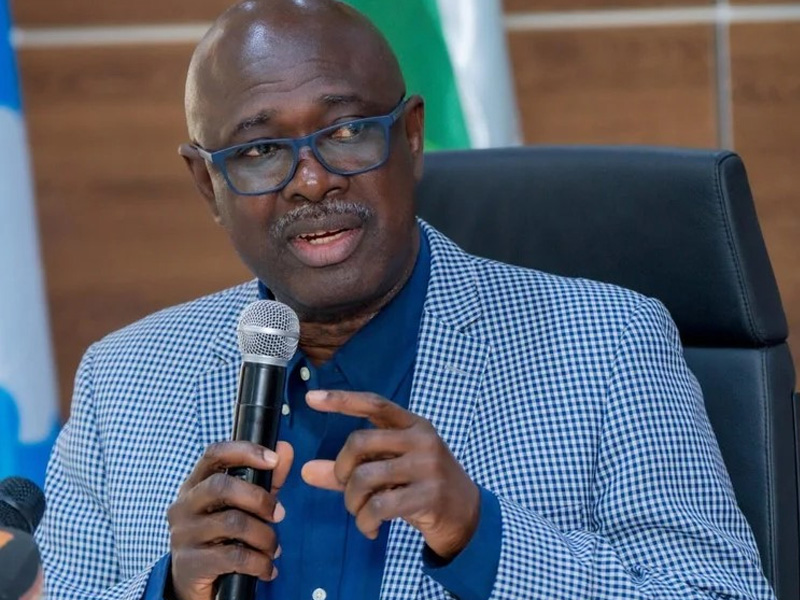
The Minister of State for Petroleum Resources (Oil), Senator Heineken Lokpobiri, made Nigeria’s position known after leading the country’s delegation to the 41st OPEC and non-OPEC Ministerial Meeting (ONOMM), the 66th Joint Ministerial Monitoring Committee (JMMC), and the 193rd OPEC Conference.
According to Lokpobiri, member nations agreed to retain the existing production arrangement under the Declaration of Cooperation (DoC) until December 31, 2026. The meetings also highlighted the need to conclude the assessment of the Maximum Sustainable Capacity (MSC) of all participating countries.
The MSC review is expected to play a crucial role in determining production baselines and output quotas from 2027, a development with significant implications for oil-producing nations, including Nigeria.
“We also noted the importance of completing the Maximum Sustainable Capacity (MSC) assessment for all DoC countries, which will serve as the reference point for determining production baselines from 2027. These deliberations reflect our shared commitment to ensuring market stability, transparency, and long-term sustainability within the global energy sector,” Lokpobiri said.
The minister noted that Nigeria has consistently complied with its OPEC-assigned production quota while simultaneously enhancing its capacity to increase output.
He said the country’s ability to balance quota compliance with production growth places it in a strong position ahead of future quota reviews.
“For Nigeria, it is particularly noteworthy that we have consistently maintained production within our OPEC quota while simultaneously strengthening our capacity to produce more. This balanced approach positions us to respond effectively to future opportunities while safeguarding the best economic interests of our people and supporting national development objectives,” he added.
The development comes as OPEC+ approved a fourth consecutive increase in oil output targets for a select group of producers, continuing the gradual rollback of earlier production cuts.
Under the latest arrangement, seven key members of the alliance—Saudi Arabia, Iraq, Kuwait, Algeria, Kazakhstan, Russia and Oman—will collectively raise production by 188,000 barrels per day from July, matching the increase approved for June.
The move forms part of efforts to unwind a voluntary production cut of 1.65 million barrels per day introduced in 2023, although actual output across the group has continued to be affected by supply disruptions and geopolitical uncertainties.
Despite the increase for selected producers, OPEC+ ministers agreed to leave the broader production policy framework unchanged until the end of 2026. The alliance also reiterated the importance of completing the review of member countries’ production capacities, which will serve as the basis for determining future output baselines and quotas from 2027.
For Nigeria, the outcome of the ongoing capacity assessment could prove pivotal in securing a higher production baseline and strengthening its role within the global oil market.