
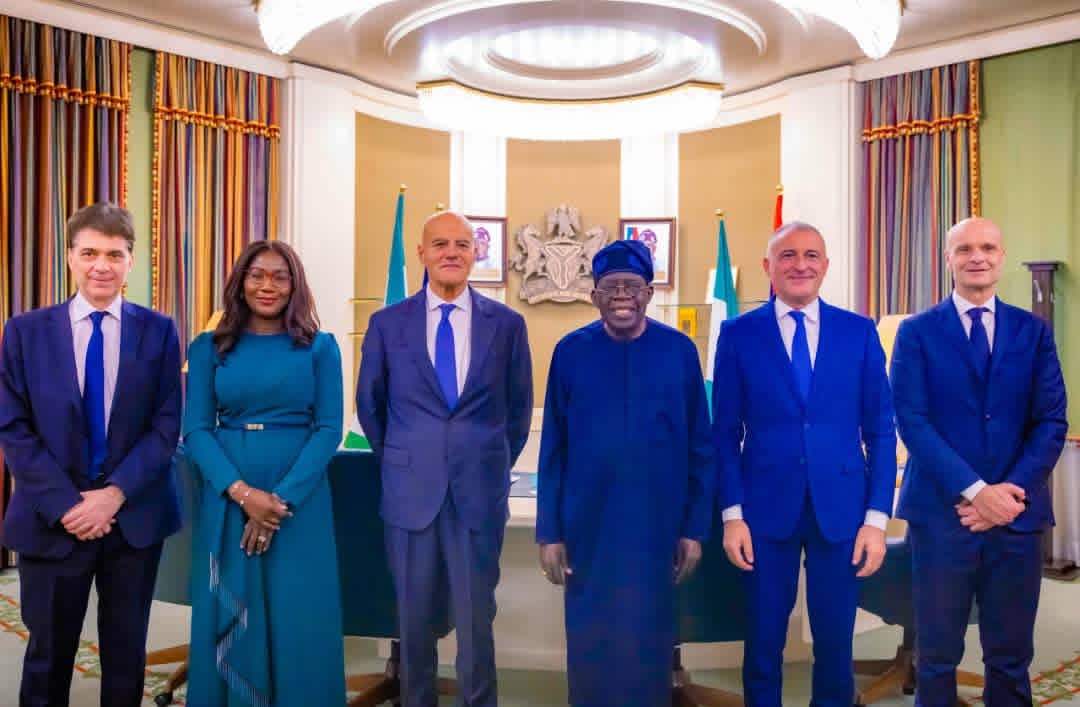





AGF Lateef Fagbemi defends the OPL 245 settlement, dismisses critics, and says Nigeria avoided over $2bn in liabilities while unlocking major oil and gas potential
OPL 245: Fagbemi Defends Settlement, Says Nigeria Avoided $2bn Liability
The Attorney-General of the Federation and Minister of Justice, Lateef Olayemi Fagbemi, has strongly defended the federal government’s resolution of the long-running OPL 245 oil block dispute, describing it as a defining achievement with significant economic and legal gains for Nigeria.
In a statement issued on March 25, 2026, Fagbemi dismissed criticisms linked to the media office of former Vice-President Atiku Abubakar, accusing detractors of distorting facts and pursuing “selfish and not patriotic interests.”
“The former Vice-President sought to downplay what is, by all objective standards, a landmark achievement of the current administration in brokering the settlement of a protracted dispute spanning nearly three decades,” the statement read.
The OPL 245 controversy dates back to 1998 when the oil block was initially awarded to Malabu Oil & Gas Ltd. It was later revoked in 2001 and reallocated in 2002 to Shell Nigeria Ultra-Deep Limited, triggering years of legal battles and legislative scrutiny.
According to Fagbemi, the disputes were eventually addressed through a 2011 Resolution Agreement involving the federal government, Malabu, and oil giants including Shell plc and Eni-linked entities.
He explained that, “Malabu relinquished all claims and interests in OPL 245 for valuable consideration,” with the asset subsequently reassigned to new joint license holders.
Fagbemi stressed that the agreement underwent, “rigorous judicial scrutiny in multiple criminal and civil proceedings across jurisdictions, including the United States, the United Kingdom, and Italy,”
with no wrongdoing established against the companies involved.
He further revealed that Nigeria later faced serious financial exposure due to delays in converting the asset into an Oil Mining Lease, leading to arbitration at the International Centre for Settlement of Investment Disputes.
According to him, the country risked liabilities exceeding $2 billion.
“The arbitration… focused strictly on whether Nigeria had wrongfully delayed or refused the conversion of OPL 245 into an OML,” he said, noting that none of the current claimants to Malabu interests had “a legal basis to intervene.”
Fagbemi credited the administration of President Bola Ahmed Tinubu with resolving disputes that had stalled development of one of Nigeria’s most valuable offshore oil assets.
He highlighted that OPL 245 has long been regarded as a highly promising hydrocarbon asset but remained, “largely undeveloped due to persistent legal and political disputes.”
Once operational, the block is projected to produce about 150,000 barrels per day and is linked to gas export infrastructure connected to Nigeria LNG Limited.
“The present resolution… transforms it into a viable and bankable development opportunity capable of delivering substantial economic and social benefits, including increased government revenue, enhanced energy security, and renewed investor confidence,” the statement noted.
Citing judicial backing, the AGF referenced the Court of Appeal ruling in Nigerian Agip Exploration Limited v. Malabu Oil & Gas Ltd (2025), which dismissed Malabu’s challenge as:
“statute-barred and constituted an abuse of court process.”
Fagbemi argued that continued opposition raises questions about underlying motives.
“The persistence of these criticisms… strongly suggests that they are driven not by patriotism or objective reasoning, but by undisclosed and self-serving interests,” he said.
He warned that such narratives could undermine national progress and derail a lawful resolution capable of unlocking immense value for Nigerians.
“Their posture is not only misleading but ultimately inimical to the collective interest,” he added, urging Nigerians to “reject efforts aimed at derailing progress for narrow personal or political gain.”
Fagbemi concluded that resolving the OPL 245 dispute marks a critical turning point for Nigeria’s oil and gas sector.
“The national interest must not be sacrificed on the altar of a hidden agenda.”
With the long-standing dispute now settled, the federal government is positioning the asset as a catalyst for economic growth, increased oil output, and renewed investor confidence in Nigeria’s energy sector. Read More