has accused Softcare of possessing more than 1,300 kilograms of expired materials)
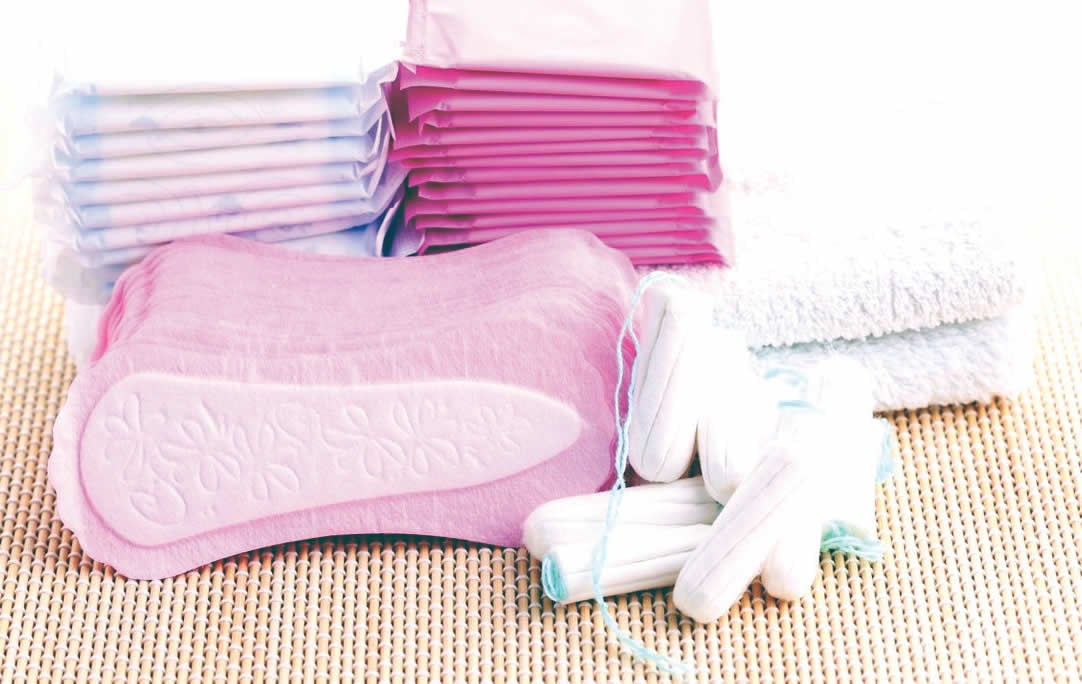
Senegal’s Pharmaceutical Regulatory Agency (ARP) has accused Softcare of possessing more than 1,300 kilograms of expired materials
Outrage in Senegal as Expired Sanitary Pad Scandal Engulfs Chinese Firm Softcare
Anger is mounting across Senegal following allegations that a leading Chinese hygiene products manufacturer, Softcare, used expired and unsuitable raw materials in the production of sanitary pads and diapers — claims the company has strongly denied.
Late last year, Senegal’s Pharmaceutical Regulatory Agency (ARP) accused Softcare of possessing more than 1,300 kilograms of expired materials, including polyethylene film, deemed unfit for use in sanitary products. The discovery followed an inspection of the company’s factory in Senegal.
In early December, the regulator ordered Softcare to withdraw the affected products from the market until its manufacturing processes were brought into compliance. However, just eight days later, the ARP director announced a reversal, stating that documents provided by Softcare showed the expired materials had not been used in production.
Despite the U-turn, inspectors involved in the probe stood by their findings, while reports began circulating on social media of consumers experiencing itching and discomfort after using the products. Softcare has consistently denied using expired or unsuitable materials.
Public frustration boiled over in January when dozens of protesters gathered near the Ministry of Health. Lawmaker Guy Marius Sagna accused the health minister of remaining silent for three weeks after the scandal broke.
“Enough is enough,” Sagna declared, as protesters condemned what they described as the “complicit” and “unacceptable” silence of authorities.
Health experts warn that the implications could be serious. Diabel Drame, a leader of a Senegalese doctors’ union, said sanitary products made with inappropriate materials could cause “irritation, itching, allergies or even infection.”
Pharmacist and social media influencer Alima Niang also raised alarm, saying multiple women had reported itching after using Softcare’s sanitary pads. One TikTok user commented: “I used them twice on my niece’s recommendation but stopped because they made me itch. I’m not the only one.”
Responding to AFP, Softcare insisted the disputed materials were never used and are currently stored in a disused warehouse awaiting destruction. The company also rejected claims of attempted bribery made by Moussa Diallo, the inspector who led the investigation. Diallo alleged that Softcare agents visited his office on four occasions with “suitcases full of money and gifts” — accusations the company described as “unfounded, defamatory and slanderous.”
Softcare, a subsidiary of China’s Sunda International, operates in more than 30 countries and has production facilities across Africa, including Nigeria, Kenya, Ghana, Cameroon and Senegal. The firm says operations in Senegal have been reduced due to growing public mistrust.
The controversy has prompted Senegal’s health ministry to announce a joint investigative mission, while a parliamentary fact-finding committee has begun hearings into the withdrawal — and subsequent reinstatement — of the products.
Activists, however, remain dissatisfied. Souleymane Gueye of the FRAPP citizen movement accused authorities of “dragging their feet” and warned that further protests are planned.
The scandal has also reignited criticism in Cameroon, where Softcare products faced similar complaints last year. Sunda International’s Cameroonian subsidiary blamed counterfeit goods for those reports.
More broadly, the case has renewed concerns over menstrual health product quality in Africa. A 2025 survey in Kenya by women’s rights group Nguvu Collective found significant quality gaps among brands and widespread failures to meet basic hygiene standards across several African markets. Read More