



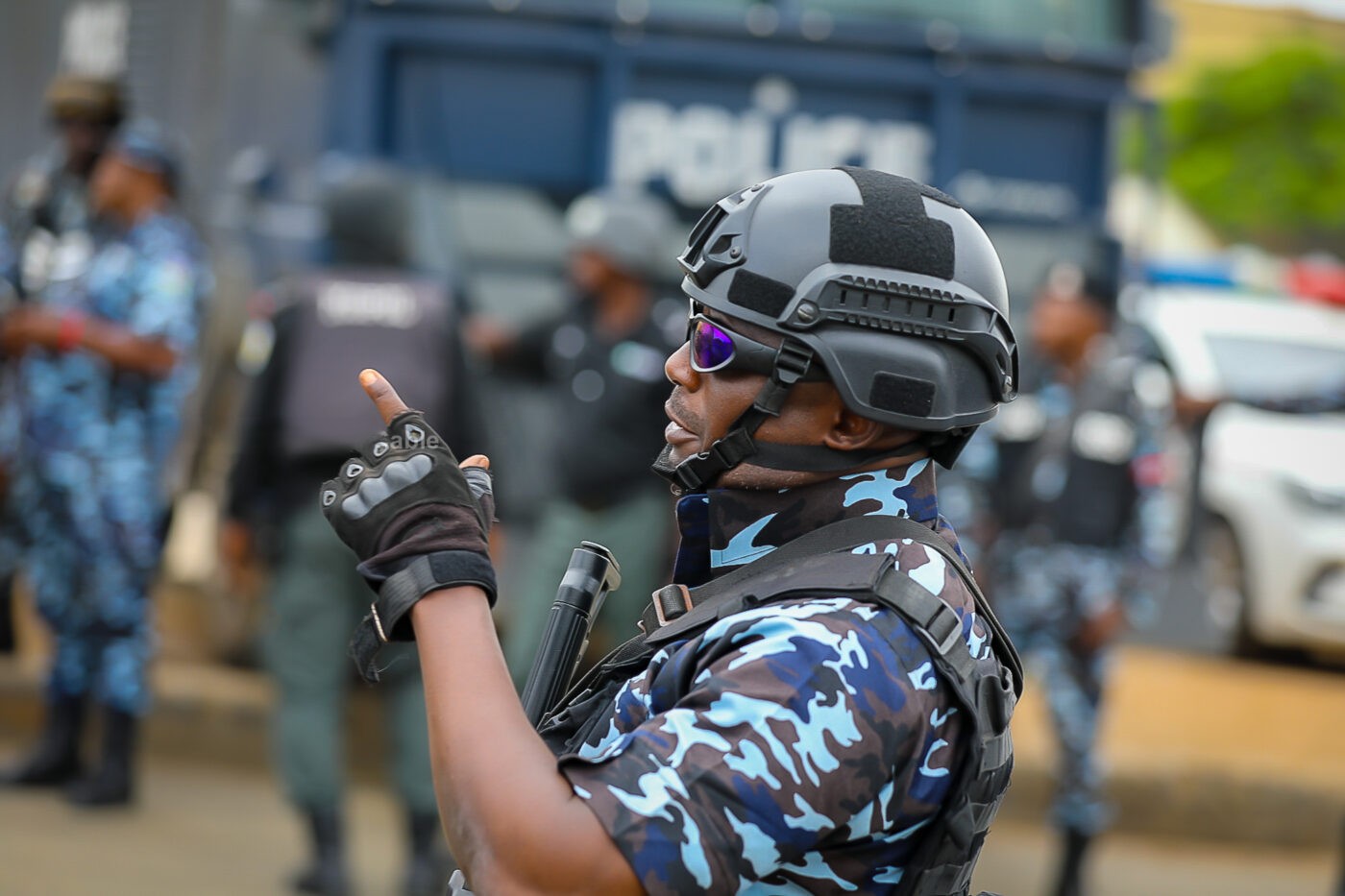
The Federal Capital Territory (FCT) Police Command has given security reasons for its opposition to the planned peaceful protest by the Nigeria Labour Congress (NLC) in Abuja, just as the National Industrial Court (NIC) issued an interim order restraining the action.
The NLC had scheduled the protest for Tuesday, February 3, 2026, to press demands over unpaid allowances owed to workers of the Federal Capital Territory Administration (FCTA).
In a statement issued Monday in Abuja, the FCT Police Public Relations Officer, Superintendent of Police Josephine Adeh, said intelligence reports indicated a high risk of the protest being infiltrated and hijacked by proscribed groups and other non-state actors.
While affirming the constitutional right of citizens to peaceful assembly, the police said the overriding concern was public safety.
According to Adeh, intelligence available to the command revealed plans by the proscribed Islamic Movement of Nigeria (IMN), also known as Shi’ites, alongside other non-state actors, to infiltrate the protest and use it to destabilise public peace and security within the nation’s capital.
“In view of the above, and in the overriding interest of public safety, the FCT Police Command respectfully appeals to the organisers of the planned protest to consider rescheduling the activity to a later date,” the statement said.
The police added that the appeal was aimed at preventing a breakdown of law and order, while safeguarding the rights of residents to freedom of movement and the conduct of lawful daily activities.
The command also assured residents of its commitment to the protection of lives and property and urged continued cooperation with law enforcement agencies.
Meanwhile, the National Industrial Court on Monday barred FCT workers, under the auspices of the NLC and the Trade Union Congress (TUC), from embarking on the planned mass protest or any similar action.
Justice Emmanuel Sibilim issued the interim order following an ex parte motion filed by the Minister of the Federal Capital Territory, Nyesom Wike, and the FCTA against the labour unions and their leaders.
The suit, filed by Senior Advocate of Nigeria, James Onoja, named the NLC, TUC, and their officials, including Comrades Benson Upah, General N. A. Toro, and Stephen Knabayi, as respondents.
Granting the application, Justice Sibilim restrained the unions and their agents from embarking on any strike or protest pending the hearing and determination of the motion on notice. He also directed security agencies to ensure there was no breakdown of law and order.
The matter was adjourned to February 10 for hearing.
The claimants told the court that despite an earlier court order issued on January 27 and served on the unions the same day, labour leaders had continued mobilisation for the protest.
They alleged that the unions directed workers to intensify and sustain the strike, even after filing an appeal against the court’s interlocutory ruling.
According to the claimants, the continued industrial action, which included the shutdown of offices, schools, departments, and agencies of the FCTA, had crippled government activities and posed a serious threat to public order in the nation’s capital.