







Nigeria’s restructured Presidential Fertiliser Initiative has reportedly saved the country ₦61.58 billion in 2026, helping protect smallholder farmers from rising global costs while boosting food security
How Tinubu’s Fertiliser Initiative Saved Nigeria ₦61.58bn and Shielded Farmers From Global Shocks
As Nigeria grapples with persistent economic pressures and the ripple effects of global market disruptions, an important battle is being fought far from the corridors of monetary policy and political debate. In the nation’s agricultural heartlands, a strategic intervention centred on fertiliser access and quality assurance is emerging as a crucial line of defence against food insecurity and imported inflation.
At the centre of this effort is the Federal Government’s restructured Presidential Fertiliser Initiative (PFI), now overseen by the Ministry of Finance Incorporated (MOFI). The programme is designed to protect Nigeria’s millions of smallholder farmers from volatile international fertiliser prices and supply chain disruptions that have intensified due to conflicts in the Middle East and logistical challenges in Eastern Europe.
According to figures associated with the initiative, the programme has helped Nigeria save an estimated ₦61.58 billion in 2026 alone, providing critical support for domestic food production and helping to cushion farmers from rising input costs.
For years, smallholder farmers have borne the brunt of fluctuations in global commodity markets. Sharp increases in the cost of fertiliser often forced many to either reduce application rates, resulting in poor harvests, or purchase low-quality products from unscrupulous suppliers. The consequences were lower yields, reduced incomes and growing threats to national food security.
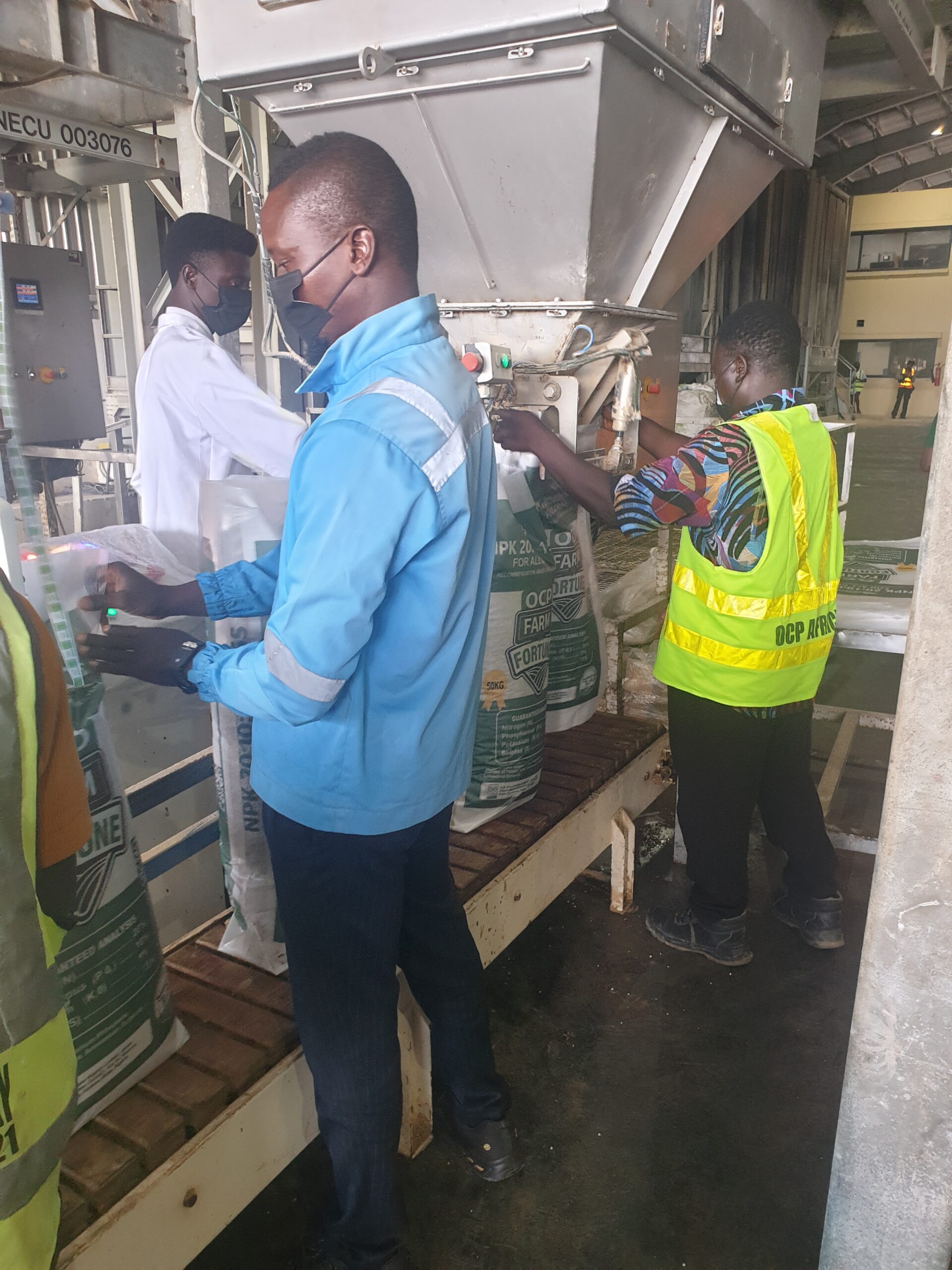
Seeking to address this challenge, fertiliser producers working under the initiative have focused on improving quality control and tailoring products to local farming conditions. During a recent physical verification audit led by Senior Special Assistant to the President on Digital Communications, Engagement and New Media Strategy, Otega Ogra, officials highlighted the importance of delivering verified nutrient content to farmers.
Mr. Peter Amahwe, General Manager of OCP Africa’s Kaduna Blending Plant, underscored the significance of quality assurance in fertiliser production.
“At the end of the day, what is key is that when the farmer is paying for these nutrients, he knows that the nutrients he is paying for is exactly what he is getting. Because he uses those nutrients to plan his activities. If you go and sell a nutrient that is different from what you have written on the bag, in the end, you have affected his plan. The labor he has done, the investment of buying seeds—everything is tied to the fact that everything must be good so that the output will be good,” he said.
To improve productivity, OCP Africa has moved away from generic fertiliser formulas and adopted a more scientific approach that creates crop-specific and soil-specific blends. Through laboratory testing and agronomic research, the company develops nutrient combinations tailored to crops such as maize, rice, cocoa and ginger, ensuring farmers receive products suited to the exact needs of their soil and harvest objectives.
Industry stakeholders say this approach not only improves crop yields but also safeguards farmers’ investments by ensuring that money spent on seeds, herbicides, labour and fertiliser translates into stronger and more predictable harvests.
The implementation of the government’s fertiliser strategy is also being driven by indigenous agribusiness companies. During the inspection tour in Kaduna, Ogra and members of the presidential delegation visited Barbedos Fertilizers & Blending Company Limited, one of the key facilities participating in the initiative.
The delegation inspected the company’s large-scale operation, which boasts a blending capacity of 90 metric tons per hour, highlighting the expanding role of local fertiliser production in reducing dependence on imports and strengthening Nigeria’s agricultural value chain.
As the country continues to confront economic headwinds, officials and industry players increasingly view fertiliser reform as more than an agricultural intervention. They see it as a strategic investment in food security, rural livelihoods and economic resilience, with smallholder farmers remaining at the centre of Nigeria’s efforts to build a more sustainable agricultural future.