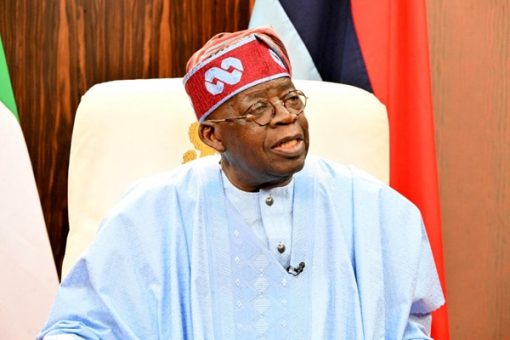
President Bola Tinubu has granted presidential pardon and clemency to 175 convicts and former convicts, including posthumous pardons for Herbert Macaulay, Ken Saro-Wiwa, and Mamman Vatsa, following the recommendation of the Presidential Advisory Committee on the Prerogative of Mercy
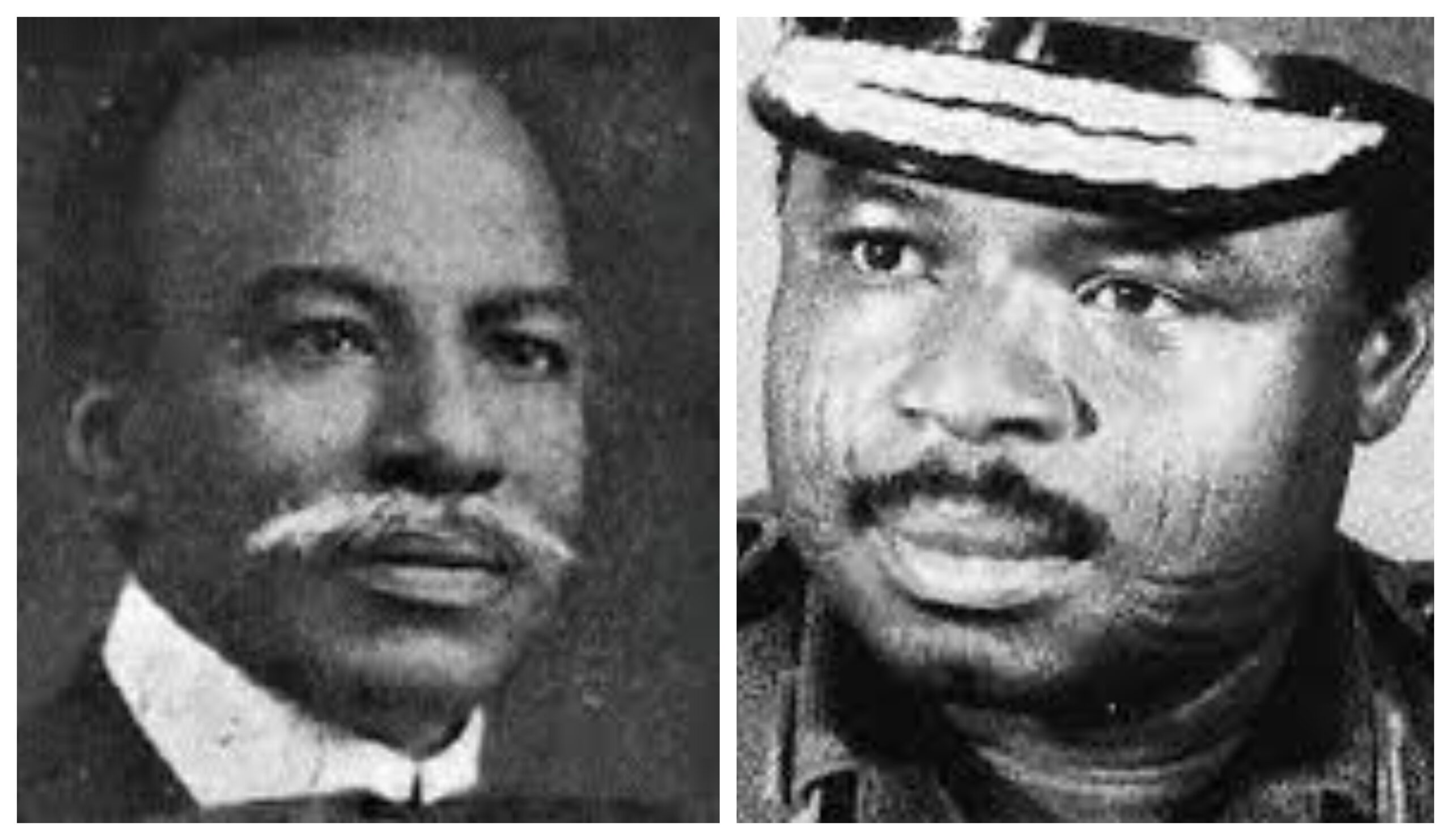
Tinubu Grants Presidential Pardon, Clemency to 175 Convicts — Honours Herbert Macaulay, Ken Saro-Wiwa, and Mamman Vatsa
ABUJA, Nigeria — The Presidency on Saturday released the full list of 175 individuals who benefited from President Bola Ahmed Tinubu’s presidential pardon, clemency, and commutation of sentences — a gesture of mercy approved after Thursday’s National Council of State meeting at the Presidential Villa, Abuja.
A statement signed by Bayo Onanuga, Special Adviser to the President on Information and Strategy, outlined the breakdown of the exercise, which covered full pardons, posthumous pardons, clemency, sentence reductions, and commutations of death sentences to life imprisonment.
The wide-ranging exercise followed recommendations from the Presidential Advisory Committee on the Prerogative of Mercy, chaired by the Attorney-General of the Federation and Minister of Justice, Prince Lateef Olasunkanmi Fagbemi (SAN).
According to Onanuga, the committee’s report recommended reprieves for 175 convicts and former convicts, categorized as follows:
- Full pardon: 17 persons (including 11 posthumously)
- Clemency: 82 inmates
- Sentence commutation: 65 individuals
- Death sentence to life imprisonment: 7 inmates
President Tinubu’s decision, the statement added, was based on humanitarian grounds — including remorse, good conduct, old age, and participation in reform programmes such as those offered by the National Open University of Nigeria (NOUN).
Full Pardons and Posthumous Recognitions
Among those granted full presidential pardons are Nweke Francis Chibueze, Dr. Nwogu Peters, Mrs. Anastasia Daniel Nwaoba, Barr. Hussaini Alhaji Umar, Ayinla Saadu Alanamu, and Hon. Farouk M. Lawan.
In a historic move, the President also granted posthumous pardons to:
- Sir Herbert Macaulay, whose 1913 colonial conviction has now been nullified; Major-General Mamman Jiya Vatsa, executed in 1986 over an alleged coup plot; and The Ogoni Nine — environmental activist Ken Saro-Wiwa and eight of his compatriots executed in 1995 under the Abacha regime.
While the Ogoni victims were formally honoured, the Presidency clarified that Chief Albert Badey, Chief Edward Kobaru, Chief Samuel Orage, and Chief Theophilus Orage were honoured symbolically but were not beneficiaries of pardon or clemency.
Clemency and Sentence Reductions
Eighty-two inmates received presidential clemency for demonstrating genuine reform or good conduct while serving their sentences. Among them is Maryam Sanda, convicted in 2017 for the murder of her husband, Bilyaminu Bello, a conviction upheld by the Court of Appeal in 2020.

Other beneficiaries include Aluagwu Lawrence, Ben Friday, Kelvin Christopher Smith, Safiyanu Umar, Dahiru Abdullahi, Rabiu Alhassan Dawaki, Emmanuel Eze, Lina Kusum Wilson, Buhari Sani, and many others.
In addition, 65 inmates had their sentences reduced or commuted, based on age, educational attainment, ill-health, or consistent good behavior.
Notable names include Professor Magaji Garba, Patrick Mensah, Chief Emeka Agbodike, Innocent Brown Idiong, and Kelvin Oniarah Ezigbe.
Death Sentences Commuted to Life Imprisonment
Seven inmates previously sentenced to death had their punishment commuted to life imprisonment, having shown remorse and good conduct. They include Emmanuel Baba, Emmanuel Gladstone, Moses Ayodele Olorunfemi, Abubakar Usman, Khalifa Umar, Benjamin Ekeze, and Mohammed Umar.
Balancing Justice with Compassion
According to the Presidency, the clemency exercise reflects President Tinubu’s commitment to justice tempered with mercy, as well as a recognition of Nigeria’s historic and moral obligations.
“The initiative not only addresses individual cases but also acknowledges historical injustices such as the colonial-era conviction of Sir Herbert Macaulay and the execution of the Ogoni Nine,” the statement said.
The Presidency emphasized that the measure is part of Tinubu’s broader justice reform agenda aimed at decongesting prisons, promoting rehabilitation, and strengthening the rule of law. Read More