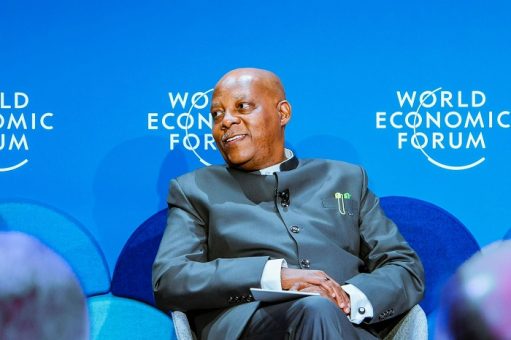
Vice President Kashim Shettima returns to Abuja after representing President Tinubu in Guinea and leading Nigeria’s delegation at the 2026 World Economic Forum in Davos
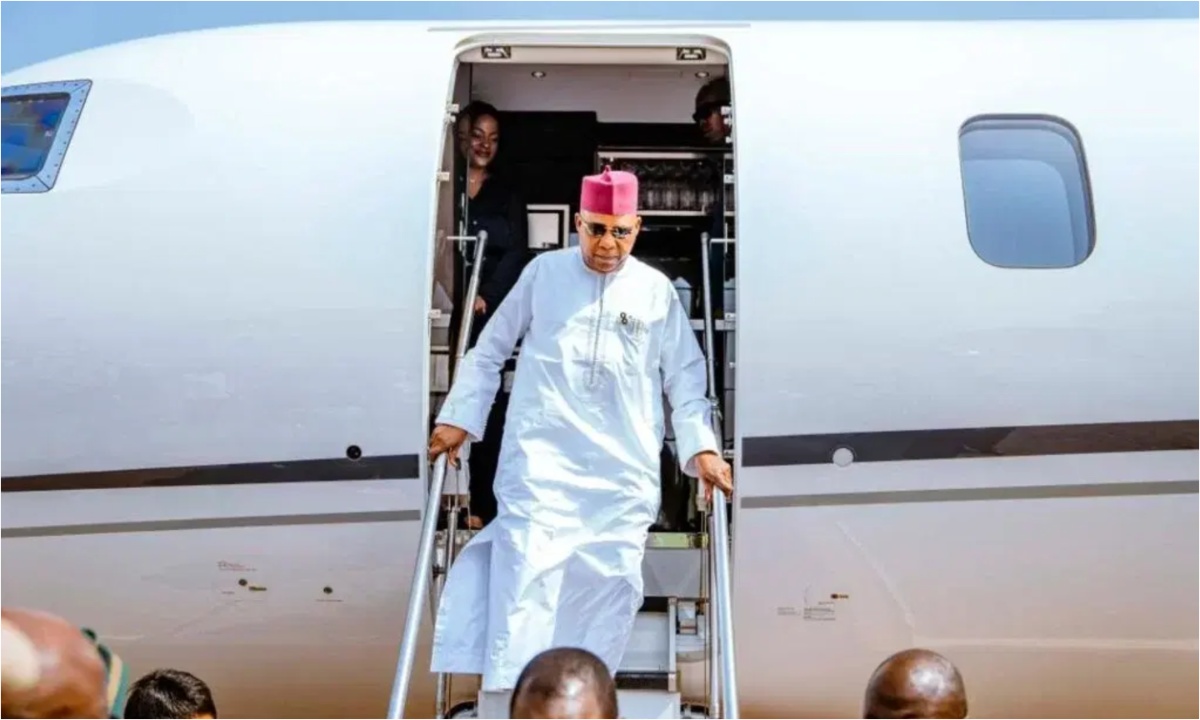
Vice President Kashim Shettima Back in Abuja After Landmark Guinea & Davos Mission – Nigeria Now Frontline in Global Policy
Vice President Kashim Shettima touched down at Nnamdi Azikiwe International Airport, Abuja, on Saturday, January 24, 2026, capping a high-impact week-long diplomatic and economic mission that took him to Guinea and the World Economic Forum in Davos, Switzerland.
In a statement issued by Stanley Nkwocha, Senior Special Assistant to the President on Media and Communications in the Office of the Vice President, Shettima’s engagements were described as a clear demonstration of Nigeria’s renewed leadership in both regional and global arenas under President Bola Ahmed Tinubu’s Renewed Hope Agenda.
Representing President Tinubu, the Vice President attended the inauguration of Guinea’s transitional leader, General Mamadi Doumbouya, as President in Conakry. There, Shettima reaffirmed Nigeria’s pivotal role within ECOWAS and opened fresh channels for bilateral cooperation, with particular focus on agriculture and manufacturing.
From Conakry, he headed straight to the Swiss Alps for the 2026 World Economic Forum Annual Meeting in Davos, where he led Nigeria’s high-powered delegation.
One of the trip’s standout moments was the official commissioning of Nigeria House Davos—the country’s first-ever permanent sovereign pavilion on the prestigious Davos Promenade. The facility is designed as a year-round investment gateway, spotlighting Nigeria’s vast opportunities in solid minerals, agriculture, and the fast-growing digital economy.
During a high-profile WEF session titled “When food becomes security,” Vice President Shettima presented Nigeria’s newly articulated national food security framework, framing agriculture not just as an economic sector but as a strategic pillar of national security and macroeconomic stability.
He also participated in advancing the Accra Reset Initiative alongside heavyweight Nigerian figures: former President Olusegun Obasanjo, former Vice President Yemi Osinbajo, and Minister of Finance Wale Edun. The initiative champions African industrialisation powered by domestic capital, regional value chains, and reduced dependence on foreign aid.
On the investment front, Shettima delivered a confident message to global investors, highlighting Nigeria’s improving macroeconomic environment. He pointed to a projected 4.4 per cent GDP growth in 2026 and a significant drop in inflation to 12.94 per cent. He further noted that Nigeria stands on the verge of becoming a net exporter of refined petroleum products—thanks largely to the Dangote Refinery—while rapidly expanding exports of digital talent and services.
The Vice President’s return signals Nigeria’s aggressive push to reclaim influence in international policy conversations, positioning the country as a serious player in regional stability, food security, industrialisation, and economic transformation.