


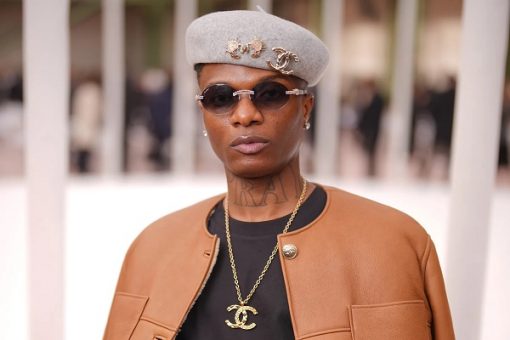





Global music star Wizkid has built a career defined by resilience, raw talent and international influence, turning a modest upbringing in Lagos into one of the most remarkable success stories in modern African music.
Born Ayodeji Ibrahim Balogun on July 16, 1990, the singer grew up in Ojuelegba, a bustling suburb of Lagos, as the last of 12 children in a large interfaith family. Financial limitations marked his early years, making professional studio time a rare privilege rather than a guarantee.
Long before the global tours and sold-out arenas, Wizkid was known as a determined “studio rat,” spending hours at OJB Jezreel’s Point Beat Studios in hopes of securing a few minutes of free recording time. He began making music at age 11 under the name “Lil’ Prinz” and later formed a church group called the Glorious Five—early steps that sharpened his craft and discipline.
His big break came in 2009 when he signed with Empire Mates Entertainment (EME), led by Banky W. The partnership proved transformative. In 2010, he released “Holla at Your Boy,” a breakout hit that announced his arrival. A year later, his debut album, Superstar, cemented his place in Nigeria’s rapidly expanding pop scene.
Wizkid’s leap onto the global stage came in 2016 through his collaboration with Drake on the smash hit One Dance. The track topped charts worldwide and earned him a place in the Guinness World Records, making him the first Afrobeats artist to achieve that milestone.
His contribution to Beyoncé’s Brown Skin Girl further elevated his global stature, culminating in a Grammy Award and solidifying his reputation among music’s elite.
In 2020, Wizkid released Made in Lagos, a project widely regarded as a defining moment for Afrobeats. Anchored by the hit single Essence, the album made history when “Essence” became the first Nigerian song to chart on the Billboard Hot 100. The achievement signalled Afrobeats’ firm entry into mainstream global music culture.
Despite commanding multimillion-dollar performance fees and headlining major festivals, including Rolling Loud, Wizkid has consistently framed his greatest achievement as personal rather than commercial—lifting his family out of poverty.
From waiting outside studios for a chance to record to reshaping global soundscapes, Wizkid’s journey reflects a powerful blend of determination, strategic collaboration and artistic consistency. His rise is not only a personal triumph but also a symbol of Afrobeats’ unstoppable global ascent.