



By Lukman OMIKUNLE
Ado-Odo/Ota LG Chairman Lawal Wasiu presents ₦13.2bn 2026 budget focused on infrastructure, amenities restoration, and improved living standards
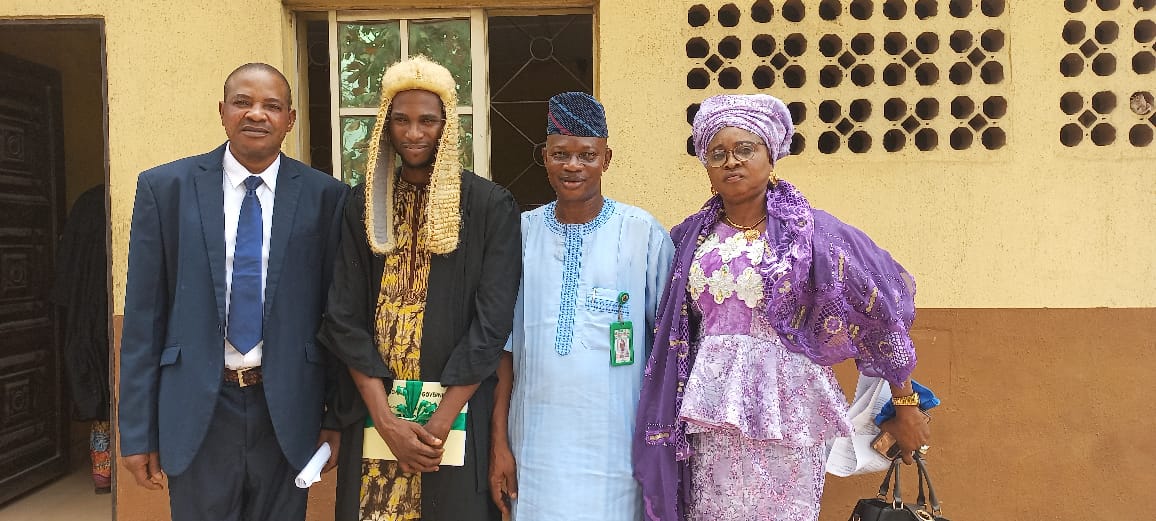
Inside Ado-Odo/Ota’s ₦13.2bn 2026 Budget Plan to Restore Amenities and Drive Development
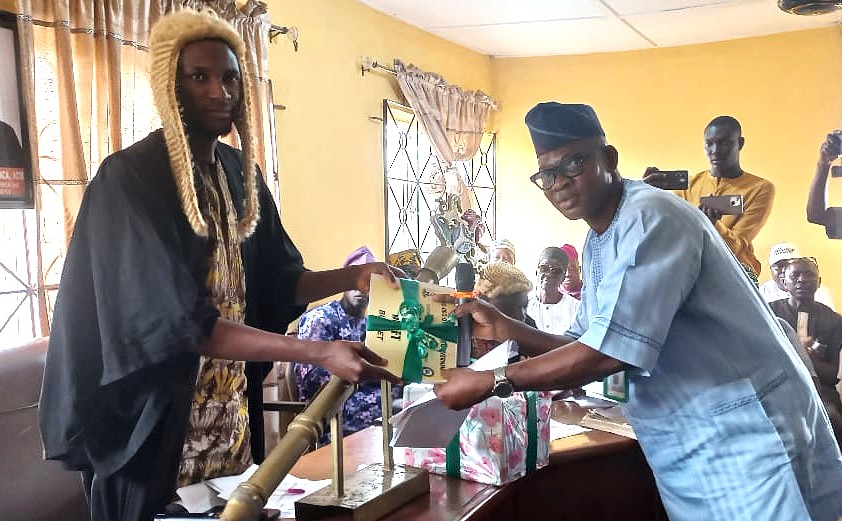
The Executive Chairman of Ado-Odo/Ota Local Government, Hon. Lawal Adewale Wasiu, has set the tone for an ambitious new fiscal year, unveiling a ₦13.2 billion 2026 budget proposal that he described as a decisive roadmap for growth, infrastructure renewal, and improved quality of life for residents.
Presented before the Legislative Council at the council’s chambers, the proposal—aptly titled “Budget of Amenities Restoration and Improvement”—is being positioned as more than a financial document, but a strategic blueprint aimed at reshaping the socio-economic landscape of one of Ogun State’s most commercially vibrant corridors.
Speaking during the presentation, Wasiu struck an optimistic note, framing the budget as a reflection of both government resolve and the collective aspirations of the people. “This budget reflects not just figures, but our shared vision for a better, more organised, and prosperous Ado-Odo/Ota,” he said, adding that his administration remains committed to “delivering impactful governance that directly improves the daily lives of our people.”
He expressed gratitude to Dapo Abiodun and Noimot Salako-Oyedele for their continued support, while acknowledging the trust reposed in his administration by residents. According to him, the progress recorded so far has been built on “unity of purpose, resilience, and an unwavering commitment to service.”
A review of the 2025 fiscal performance reveals a government navigating challenges while pushing for efficiency. Out of a total budget of ₦12.6 billion, statutory allocation stood at ₦11.3 billion, with an actual realisation of ₦7.1 billion, representing 62.63 per cent performance. Internally generated revenue also showed notable strength, with ₦193.9 million realised from a ₦251.9 million target, achieving 76.99 per cent. Wasiu attributed this improvement to deliberate reforms aimed at blocking leakages, expressing confidence that “the current trajectory will not only be sustained but significantly surpassed.”
On expenditure, the council recorded total spending of over ₦7.15 billion, covering personnel, overheads, and capital commitments. Despite fiscal constraints, the administration invested in key grassroots projects including road grading across wards, drainage construction, borehole installations, school renovations, and critical infrastructure upgrades—interventions the chairman described as “targeted efforts to restore dignity and functionality to our communities.”
Looking ahead, the ₦13.24 billion 2026 budget is structured as a balanced framework to address pressing developmental needs, with funding expected from statutory allocations, internally generated revenue, and state-backed support. Wasiu emphasised transparency as a cornerstone of implementation, declaring that “every kobo allocated must translate into visible impact for the people.”
The Legislative Council signalled its readiness to engage rigorously with the proposal. Leader of the House, Hon. Gbadamosi Mutairu Akanji, described the document as “a strategic roadmap that captures the hopes and expectations of our people,” stressing that lawmakers would ensure strict accountability. “This budget goes beyond numbers; it embodies the promise of sustainable development and improved welfare. We will scrutinise it thoroughly to ensure it serves the common good,” he said.
The atmosphere at the chambers reflected a shared sense of purpose, with top officials, political leaders, and stakeholders in attendance, underscoring the significance of the moment. For many observers, the 2026 budget marks a critical test of the administration’s capacity to consolidate gains, deepen development, and deliver on its promise of a more organised and thriving Ado-Odo/Ota.
As the council moves toward deliberation and eventual passage, expectations are high that the proposed fiscal plan will not only sustain momentum but redefine governance at the grassroots—anchoring it firmly on service, accountability, and measurable progress. Read More