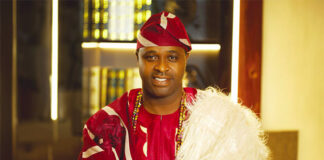


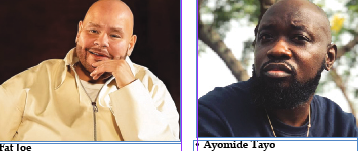



A fresh controversy has erupted in the global music scene after Nigerian content creator and pop culture commentator Ayomide Oluwasegun Tayo, popularly known as AOT2, publicly challenged American rapper Joseph Antonio Cartagena—better known as Fat Joe—over comments about the origin of Afrobeats.
The dispute began after Fat Joe, speaking on the Joe and Jada Podcast, claimed that Jamaica was responsible for the birth of Afrobeats during a conversation with reggae icon Buju Banton.
Reacting strongly, AOT2 dismissed the assertion, insisting that Afrobeats is a creation of West Africa, particularly Nigeria and Ghana. He criticised what he described as repeated misinformation from influential figures, stressing that while the genre incorporates global influences, its roots remain firmly African.
AOT2 acknowledged the presence of dancehall elements within Afrobeats but argued that such influences do not equate to origin. He further warned against what he termed the erosion of cultural ownership, urging stakeholders to protect and accurately represent the genre’s history.
The rapper’s comments have since sparked widespread reactions among Nigerian music commentators and fans, reigniting long-standing conversations about Afrobeats’ global narrative and credit attribution.
Adding another layer to the controversy, Fat Joe also took aim at Nigerian singer Daniel Benson, formerly known as Buju, mocking his stage name and suggesting it conflicted with that of Buju Banton.
However, Buju Banton addressed the issue by clarifying that his own stage name was inspired by earlier influences. The reggae star, born Mark Anthony Myrie, explained that “Buju” was a childhood nickname given by his mother, while “Banton” was adopted from Jamaican deejay Burr Banton—highlighting the fluid and shared nature of naming traditions in music.
As debates continue to swirl, the incident underscores broader tensions around cultural ownership, influence, and recognition in an increasingly globalised music industry.