




NELFUND has disbursed over ₦1.5 billion in student loans to three tertiary institutions for the 2025/2026 academic session, while beneficiaries complain about delays in monthly upkeep payments
NELFUND Disburses ₦1.5bn Student Loans to Three Institutions as Beneficiaries Lament Upkeep Delays
The Nigerian Education Loan Fund (NELFUND) has disbursed more than ₦1.5 billion to three tertiary institutions for the 2025/2026 academic session, benefiting 6,129 students across the country.
The Fund announced the latest disbursement on its verified X handle on Thursday, while the beneficiary institutions confirmed receipt of the funds and their onward disbursement to eligible students.
Bamidele Olumilua University of Education, Science and Technology (BOUESTI), Ekiti State, received ₦1,360,920,800 for 5,396 students across five tranches. Sikiru Adetona College of Education, Science and Technology, Omu-Ajose, Ogun State, received ₦104,530,000 for 680 students, while the Edo State College of Nursing Sciences, Benin City, received ₦36,485,000 for 53 students.
BOUESTI Vice-Chancellor, Prof. Andrew Babatunde Omojola, confirmed receipt of the full amount and praised the Federal Government and NELFUND for the timely disbursement.
“We hereby confirm the receipt of a total sum of One Billion, Three Hundred and Sixty Million, Nine Hundred and Twenty Thousand, Eight Hundred Naira only, being total payment of the five tranches of student loan approved to 5,396 students of BOUESTI disbursed for the 2025/2026 academic session,” he said.
“We want to appreciate the Federal Government and sincerely applaud the Managing Director/CEO NELFUND and his team for their efforts and efficiency in ensuring the objectives of the scheme are achieved nationwide.”
The Provost of the Edo State College of Nursing Sciences, Mabel Omobude, pledged prudent management of the funds.
“The disbursement will be judiciously applied strictly for its intended educational purposes in tandem with global best practices,” she said, adding that the college remained committed to “compliance, transparency, and accountability in the administration of this facility.”
Registrar of Sikiru Adetona College, Dr. Bukola Makinde, also confirmed that the funds had already been credited to beneficiaries’ bank accounts.
“The said money had since been disbursed into the bank accounts of the students’ beneficiaries,” she said, describing the intervention as enabling students “to enjoy financial hitch-free academic progress.”
Despite the latest disbursement, many beneficiaries expressed frustration over delays in receiving the scheme’s monthly upkeep allowance, which is available to students who applied for it alongside their tuition loans.
Reacting to reports that NELFUND plans to introduce a digital token-based payment system, several students urged the Fund to clear outstanding upkeep payments.
“When will we the students start to receive upkeep allowance for May and June? A lot of Nigerian students need this money most especially me now, students are going for SIWES and they need this money to be able to attend this compulsory student industrial scheme,” said Favour Ojochenemi.
“My child has not received the monthly upkeep since May. For the last two months and it affects us badly. Will this not affect the tuition payment too when it is time?” wrote Modupeola Adeola Idowu.
Another beneficiary, Alex Bless, said: “For the past three months we haven’t received our upkeep and everyone knows this is a loan. So how are we going to pay for what we haven’t been given?”
Jogo Terzungwe Peter also appealed to the Fund to address the delays, saying: “Please work on the upkeep payment. The current situation we are facing is not easy, and many students are finding it difficult to cope with their daily expenses.”
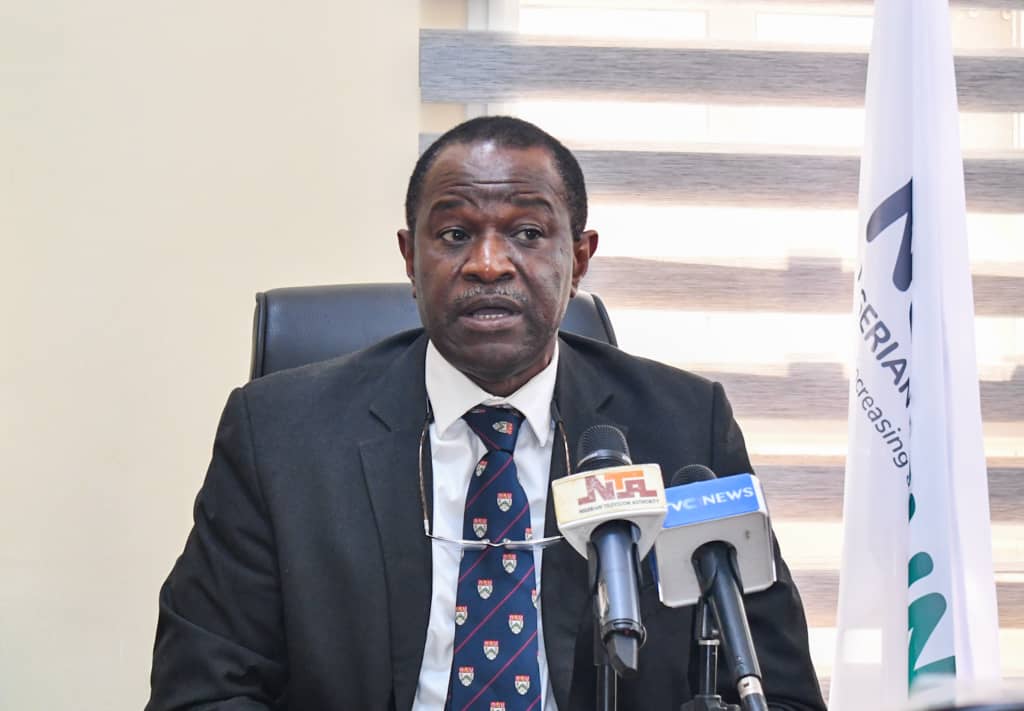
NELFUND has recently intensified efforts to improve the efficiency and transparency of the student loan scheme through digital reforms. Earlier this month, Managing Director Akintunde Sawyerr announced plans to replace the current direct tuition payment model with a digital token-based system aimed at reducing double payments, improving transparency and giving students greater control over the timing of their tuition disbursements while ensuring loan funds are used strictly for educational purposes.