

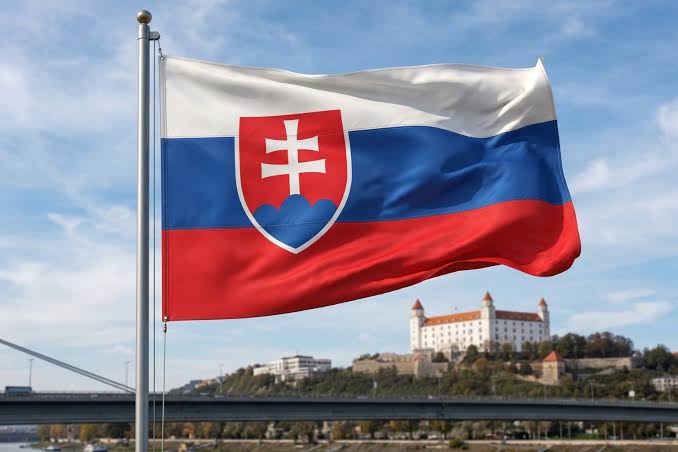





Slovakia will introduce sweeping immigration reforms from July 15, extending visa validity, easing job transition rules for foreign workers and tightening work permit requirements
Slovakia Introduces Major Immigration Reforms, Extends Visas and Job Search Period for Foreign Workers
Slovakia will introduce sweeping changes to its immigration system from July 15, 2026, extending visa validity, giving foreign workers more time to secure new jobs after losing employment, centralising visa processing and tightening documentation requirements for work permit applicants.
The reforms, announced by Slovak authorities, are aimed at simplifying immigration procedures while strengthening oversight of residence and work permit applications. The new measures will affect foreign nationals relocating to Slovakia for employment, study and business.
One of the key changes extends the validity of national visas from 90 days to 120 days for applicants entering the country to complete residence permit formalities. Authorities say the additional 30 days will provide employers and incoming workers with greater flexibility to complete relocation, onboarding and administrative processes.
Foreign workers who lose their jobs while legally residing in Slovakia will also benefit from longer grace periods before their residence status is affected. Those who have lived in the country for less than two years will now have three months to find new employment, while residents who have held permits for more than two years will have up to six months to secure another job.
Slovakia is also replacing consulate-led visa processing with a newly established Central Visa Authority operating in collaboration with the Ministry of Interior. The new agency will oversee all visa decisions to ensure consistent processing standards across diplomatic missions, with authorities targeting a processing time of up to 40 days.
The reforms introduce stricter requirements for entrepreneurs seeking business residence permits. Applicants will face closer scrutiny to confirm that their businesses are actively operating and contributing to the economy, while permit holders will be required to remain compliant with tax, health insurance and other statutory obligations throughout their stay.
As part of Slovakia’s digitalisation drive, foreign residents will be able to access digital versions of their residence cards through the eDoklady mobile application. However, physical residence cards will remain compulsory for border crossings and certain government procedures.
Not all the changes are expected to speed up immigration processes. Processing times for student residence permits will increase from 30 days to 90 days, making it necessary for international students to begin their applications much earlier before travelling.
Work permit applicants will also face stricter deadlines for submitting outstanding documents. Under the revised rules, applicants will have a maximum of 15 days to provide missing documentation, replacing the previous system that allowed authorities to grant between 15 and 90 days. Applications that fail to meet the deadline will be rejected.
The reforms place Slovakia among a growing number of European countries adjusting immigration policies to attract skilled foreign workers while tightening oversight of migration pathways.
The latest changes come as Slovakia continues efforts to attract international talent through education and skilled migration initiatives. The country recently reopened applications for its National Scholarship Programme, which supports international students, PhD candidates, researchers, university teachers and artists pursuing study or research at Slovak higher education institutions.
Established in 2005 and funded by Slovakia’s Ministry of Education, Science, Research and Sport, the programme offers monthly stipends ranging from €620 for master’s students to €1,470 for experienced researchers and academics. Eligible master’s and PhD students may also receive travel grants of between €50 and €1,500, depending on their country of origin.