


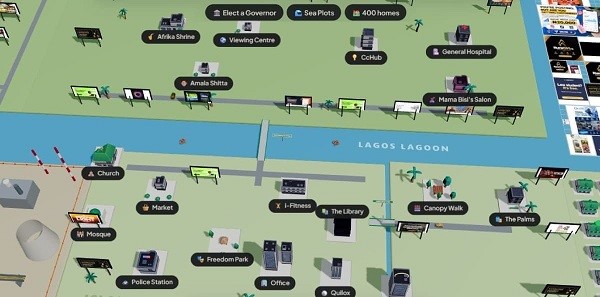





A Nigerian-built browser game that mirrors the daily grind of Lagos is exploding in popularity among young players, offering a digital city where users work, hustle, socialise and confront the realities of urban life.
Called Lagos Life, the game was developed by Nigerian software creator Shalom, better known as Shalom Rayhamen. Since its launch on 1 October 2026, it has drawn hundreds of thousands of players and fuelled online conversations about money, class and contemporary Nigerian culture.
Modelled on global life-simulation classics such as The Sims 3, Lagos Life adapts the formula to a distinctly local setting. Players create avatars, find jobs, buy property and visit recognisable Lagos landmarks including Amala Shitta and Quilox.
Every new player is randomly assigned one of two starting classes: “Nepo” — signalling privilege and connections — or “Lapo,” a tongue-in-cheek nod to financial struggle. Success hinges on carefully balancing income, energy and social activity.
Unlike most simulation titles, Lagos Life requires no download. It runs entirely in a web browser. Upon logging in, players first check their finances, which shapes their early strategy. Those starting with little money must prioritise employment. Work generates cash but drains energy, so players need to buy food to recover before returning to the grind.
As earnings rise, they can invest in property and lifestyle upgrades. Trips to malls, clubs and entertainment spots boost mood. Careful budgeting is essential: early overspending on luxuries can stall progress, and random real-life-style setbacks encourage players to keep emergency reserves.
For newcomers the core loop is straightforward — secure a job, earn money, manage energy, protect well-being and steadily build wealth to unlock more of the virtual city.
The game also weaves in Nigeria’s vibrant music scene, featuring tracks from emerging local artistes inside its virtual clubs.
Shalom has said the idea grew from her childhood love of The Sims 3 and a wish to see a similar world grounded in Nigerian culture. “I grew up playing The Sims 3 and always wondered what it would be like if the Sims lived in a world inspired by ours,” she explained. She was further motivated by Eureka’s browser game Lagos Run, which simulates navigating Lagos traffic in a danfo.
Growth has been rapid. At the time of reporting the platform recorded more than two million registered players, hundreds of thousands online simultaneously, and millions of total visits since launch.
That surge has not been without problems. An exploit briefly allowed some users to generate billions in fake in-game currency, distorting the virtual economy and prompting large-scale giveaways — some carrying political undertones. Shalom responded by resetting compromised balances, restoring legitimate accounts and confirming the vulnerability would be patched.
The episode underscored how deeply players have invested in a virtual economy built purely for entertainment. In a city where conversations about hustle, wealth and status shape everyday talk, Lagos Life has transformed those realities into an interactive experience — giving a digital generation a new way to see, navigate and play Lagos.