


The Central Bank of Nigeria (CBN) has said its priority has shifted to ensuring that banks use their newly strengthened capital base to support productive sectors of the economy following the successful completion of the banking recapitalisation exercise.
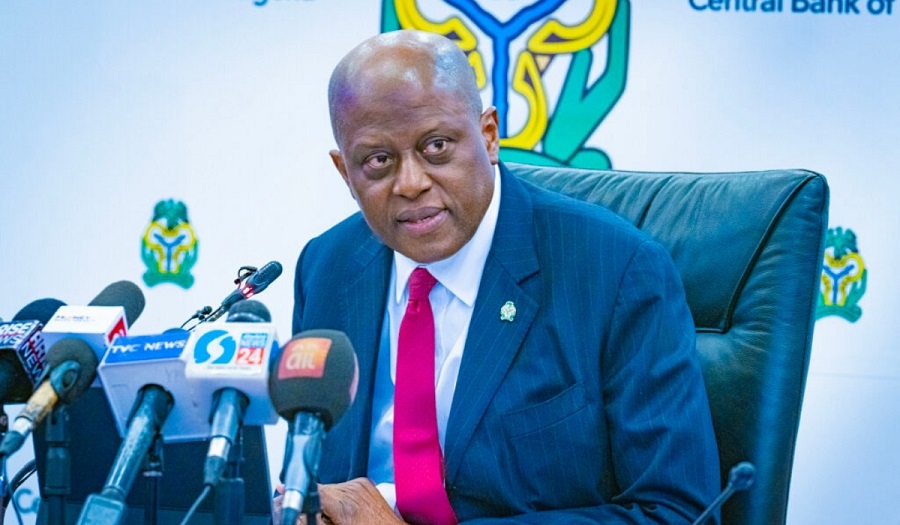
CBN Governor Olayemi Cardoso made this known on Wednesday while briefing the Senate Committee on Banking, Insurance and Other Financial Institutions on the bank’s activities since the beginning of the year.
Cardoso said the recapitalisation exercise was aimed at improving governance, strengthening risk management and increasing lending to sectors that drive economic growth.
He also expressed confidence that inflation would continue to decline in the second half of 2026, adding that the apex bank would intensify post-recapitalisation supervision, deepen foreign exchange reforms, strengthen digital payment systems and reinforce the resilience of Nigeria’s financial system.
The CBN governor revealed that the bank is targeting monthly diaspora remittances of $1 billion through official channels before the end of the year to boost foreign exchange inflows and support macroeconomic stability.
According to him, monetary and financial sector reforms introduced by the apex bank have improved investor confidence, stabilised the foreign exchange market and positioned Nigeria’s economy for sustainable growth despite global economic challenges.
He noted that inflation eased slightly from 15.93 per cent in May to 15.91 per cent in June, following a temporary increase linked to the Middle East crisis.
Cardoso said reforms in the foreign exchange market, including the introduction of the fourth edition of the Foreign Exchange Manual, implementation of the Nigeria Foreign Exchange Code and deployment of the Electronic Foreign Exchange Matching System, had improved transparency and reduced speculative activities.
He added that the naira appreciated to an average of N1,375.40/$ in the first half of 2026, while monthly diaspora remittances through official channels increased from about $200 million to over $600 million.
The CBN governor further disclosed that Nigeria’s external reserves rose to $52.73 billion as of July 9, 2026.
On bank recapitalisation, Cardoso described the exercise as one of the most successful in Nigeria’s banking history, revealing that commercial banks raised N4.65 trillion in fresh capital, with 72.55 per cent coming from domestic investors and 27.45 per cent from foreign investors.
He said 33 banks had met the revised capital requirements, while discussions were ongoing with the few institutions yet to comply to safeguard depositors and maintain financial stability.
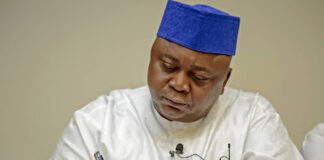
Chairman of the Senate Committee, Senator Mukhail Adetokunbo Abiru, commended the CBN for stabilising the foreign exchange market and successfully implementing the recapitalisation programme.
However, he stressed that the reform would only deliver meaningful results if banks increased lending to key sectors such as agriculture, manufacturing, infrastructure, technology and small and medium enterprises (SMEs).
The committee also expressed concern that private sector credit remained below expectations despite the significant capital raised by banks.
Lawmakers sought clarification on the CBN’s 2025 audited financial statements, including the sharp increase in Open Market Operations (OMO) balances, rising liquidity management costs, operating expenses and the decision to offset the Federal Government’s Ways and Means advances against the bank’s operating surplus instead of remitting cash.