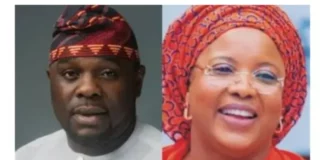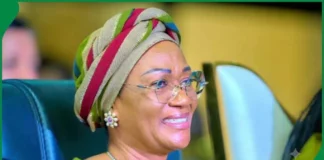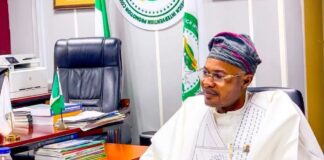



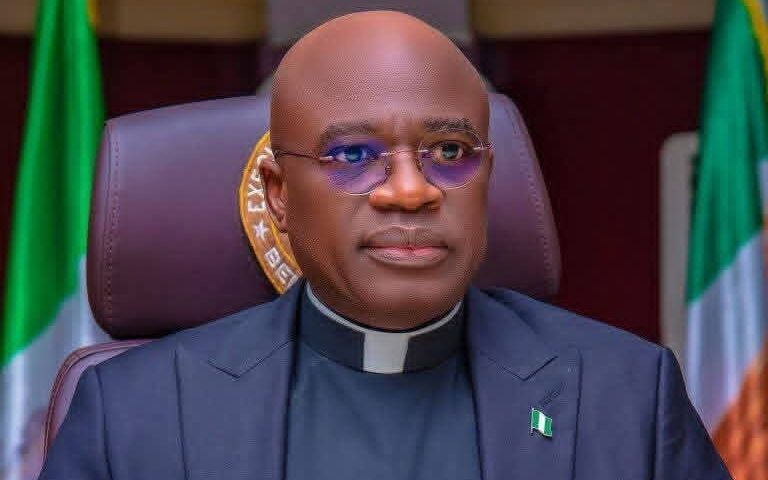
Before stepping into the political arena, Rev. Fr. Hyacinth Iormem Alia was already a household name across Benue State—revered not just as a Catholic priest, but as a compassionate figure whose ministry deeply impacted lives. His influence extended far beyond the pulpit, earning him admiration among ordinary citizens who saw in him a leader attuned to their daily struggles.
Through years of pastoral work, Father Alia developed a grounded understanding of societal challenges. His sermons, often centered on justice, compassion, and accountability, resonated widely. Known for his healing masses that drew massive crowds, he became a symbol of hope for the vulnerable, with many attesting to spiritual and emotional transformation under his guidance.
This strong moral foundation would later shape his political identity.
For years, politics seemed distant from his calling. His focus remained on spiritual service and humanitarian work, making his eventual decision to run for governor both surprising and intriguing. Yet, beneath that transition lay years of firsthand exposure to the socio-economic realities of his people—an experience that quietly prepared him for leadership.
When he declared his candidacy for the Benue governorship, reactions were mixed. However, unlike traditional politicians, he entered the race with a significant advantage: trust. The goodwill he had built over time translated seamlessly into political capital.
His campaign slogan, “Yes Father,” quickly evolved into a powerful movement. It symbolized continuity—faith in a leader whose integrity had already been tested. The message resonated across demographics, galvanizing widespread grassroots support from youths, women, and elders alike.
That momentum proved decisive. In the 2023 general elections, his party—then in opposition—secured a resounding victory, marking a major shift in Benue’s political landscape. Many viewed his emergence as a triumph of credibility over entrenched political structures.
On May 29, 2023, he was sworn in as the sixth democratically elected governor of Benue State, stepping into national prominence. His administration inherited significant challenges, including unemployment, unpaid salaries, and economic stagnation. The response was swift and strategic.
One of his early moves was the creation of employment opportunities across key sectors. Thousands of young people were absorbed into the civil service and government agencies, restoring hope and reducing joblessness. Institutions such as the University Teaching Hospital, SUBEB, Benue Links, SEMA, and BIPC became vehicles for job creation and economic revival.
His administration also prioritized industrial revitalization, strengthening state-owned enterprises to boost local production and economic self-reliance. Infrastructure development followed closely, with investments in road construction, urban renewal, and rehabilitation of public facilities bringing visible change to previously neglected communities.
Governor Alia’s leadership style has remained distinctly people-centered. Regular engagement with citizens and a participatory approach to governance have reinforced inclusivity and democratic values. Transparency and prudent financial management have also become hallmarks of his administration, gradually restoring public trust.
Despite resistance from elements of the old political order, his popularity has endured—driven largely by performance and accessibility. His emphasis on youth inclusion has further reshaped the political landscape, positioning a new generation for leadership roles within and beyond the state.
Less than three years into his tenure, his influence is already extending to the national stage. His role in organizing the APC convention in Abuja signaled growing recognition of his leadership capacity. At the event, he demonstrated strong coordination and consensus-building skills, earning respect among political stakeholders.
Beyond politics, his personal discipline and moral clarity continue to define his governance style. His calm demeanor in the face of challenges has inspired confidence, while his commitment to social welfare and youth empowerment underscores a long-term vision for sustainable development.
From a spiritual shepherd to a political reformer, Governor Alia’s journey reflects the enduring power of trust, integrity, and service. As his profile continues to rise, many see in him not just a state leader, but an emerging national statesman.