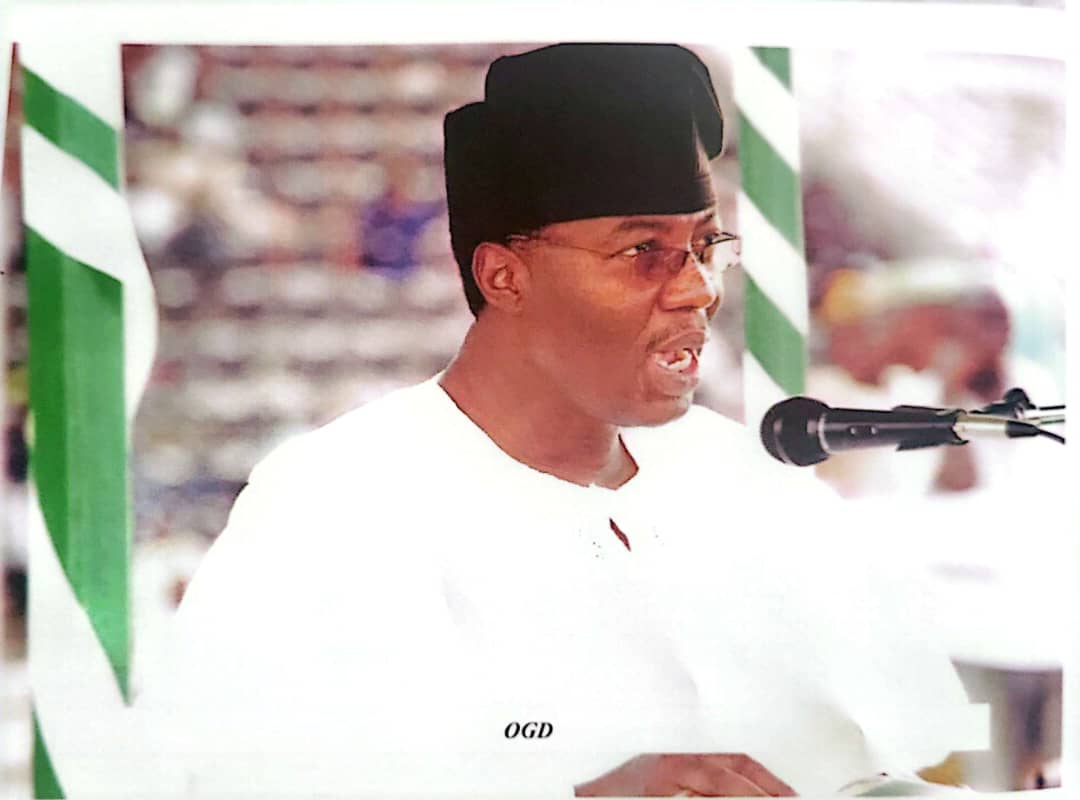
A deep dive into how Otunba Gbenga Daniel transformed Ogun into Nigeria’s “Gateway State” through visionary leadership, industrial expansion, and human development — as captured in a 2008 U.S. diplomatic cable released by WikiLeaks
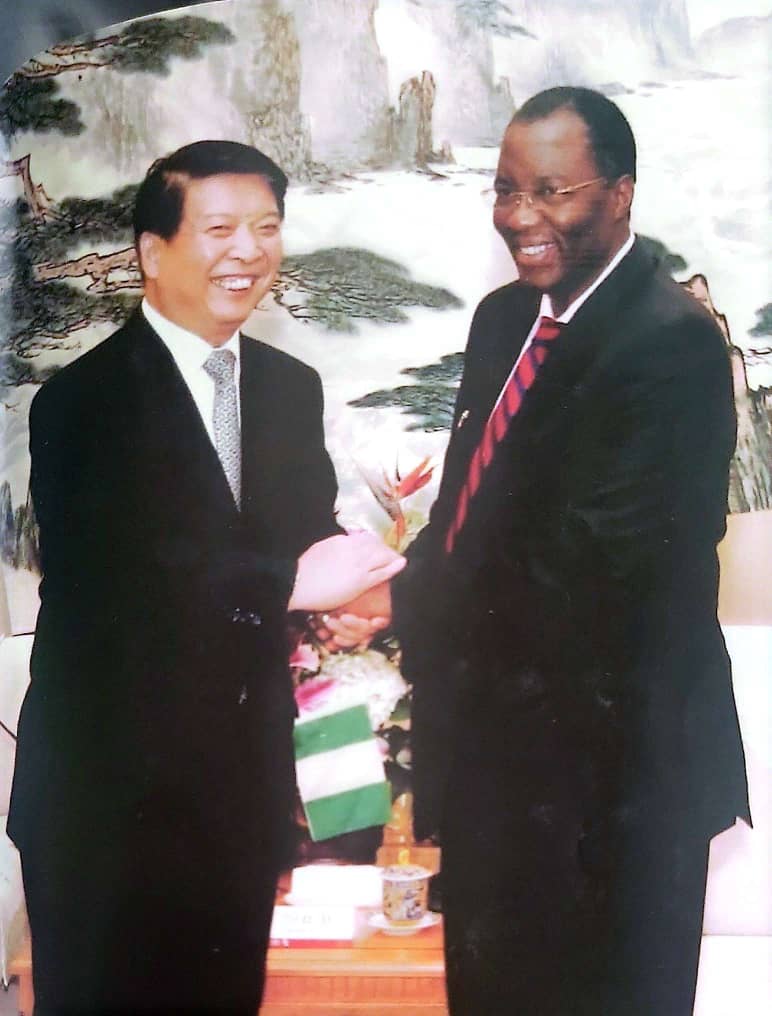
A Total Recall of Gbenga Daniel’s Stewardship: How OGD Branded Ogun as Nigeria’s Gateway to Prosperity —
Source: WikiLeaks (U.S. Diplomatic Cable, 2008)
By Lukman OMIKUNLE
When Otunba Gbenga Daniel assumed office as the Governor of Ogun State in 2003, he inherited a sleepy, civil service-dependent economy with limited industrial presence. By the time he left office in 2011, Ogun had transformed into one of Nigeria’s most attractive destinations for investors — local and foreign alike.
A confidential U.S. diplomatic cable, later released by WikiLeaks, titled “Nigeria: Ogun State Attracts Businesses with Land, Labor, and Leadership”, captures in vivid detail how Daniel’s vision, branding acumen, and hands-on leadership redefined the socio-economic landscape of the Gateway State.
Branding a State: “The Gateway to Prosperity”
Otunba Gbenga Daniel’s first masterstroke was branding Ogun as “The Gateway State” — a slogan that became more than a tagline. It was a promise of access, opportunity, and growth. Under his leadership, the state leveraged its geographical advantage — bordering Lagos, Nigeria’s commercial capital — to attract industries seeking affordable land, labour, and logistics.
Before Daniel’s emergence, Ogun’s economy was sustained almost entirely by civil service wages, with over 90 percent of its revenue spent on recurrent expenditure. But between 2003 and 2008, internally generated revenue (IGR) grew eightfold — from ₦100 million to over ₦800 million monthly, according to the leaked U.S. cable.
In the words of Yosola Akinbi, then Economic Adviser to the Governor, “Before 2003, Ogun had no industries. By 2006, over 100 factories had opened.”
This surge was not accidental. It was a result of Daniel’s calculated efforts to make Ogun the next frontier for industrialization.
Infrastructure and Industrial Revolution
To make the state more business-friendly, the Daniel administration aggressively pursued major infrastructure projects, including:

• The Olokola Free Trade Zone (FTZ) and Deep Sea Port — home to the planned Olokola LNG project.
• The Kajola Specialized Railway Industrial FTZ, designed to connect industries directly to Nigeria’s major transport corridors.
• The Ogun-Guangdong Free Trade Zone, a bilateral initiative with China that would later become a landmark hub for manufacturing and export.
• A proposed Cargo Airport, strategically envisioned to complement industrial and agricultural growth.
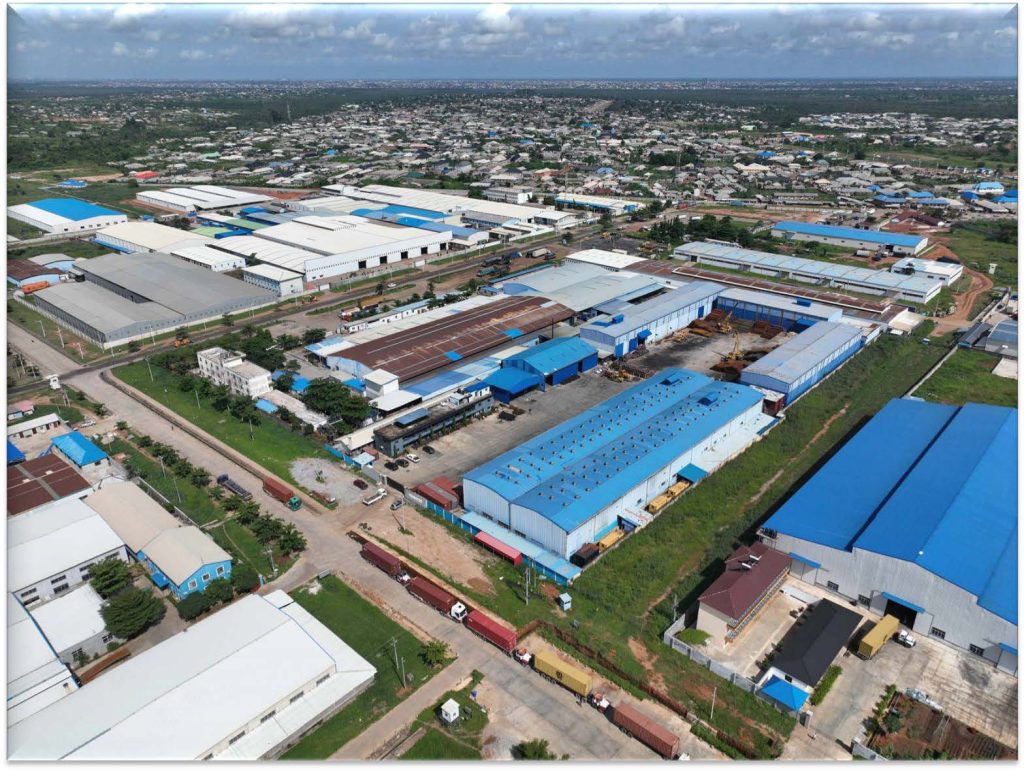
These projects not only redefined Ogun’s industrial landscape but also set the tone for future administrations to view the state as Nigeria’s emerging manufacturing powerhouse.
Land, Labour, and Leadership: The Winning Formula
Daniel’s economic strategy was rooted in three words: land, labour, and leadership.
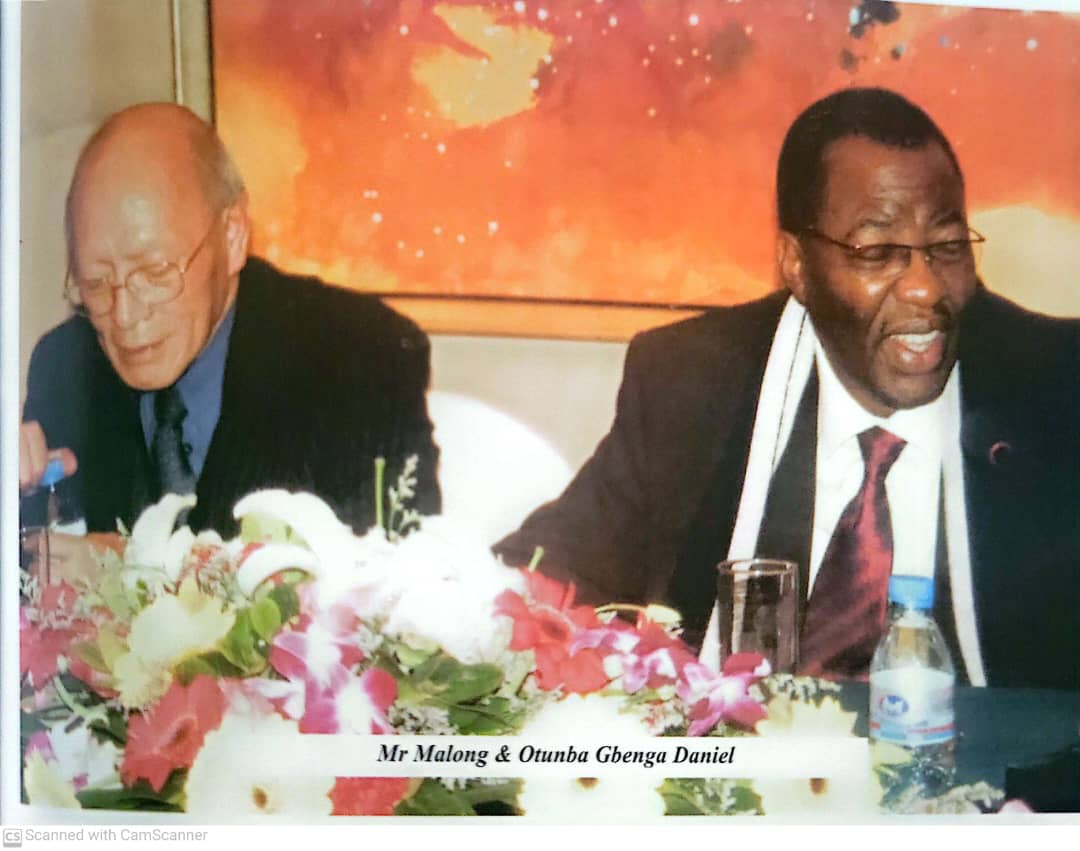
With Lagos becoming congested and increasingly expensive for manufacturing, Ogun offered vast, affordable land — at just 15 percent of Lagos costs. Labour was cheaper, and transportation logistics were easier due to the state’s proximity to Lagos ports and markets.
However, what truly set Ogun apart was Daniel’s pro-business leadership.
According to the WikiLeaks cable, investors like Dimeji Owofemi of Multi-Trex Investment Ltd. and Ade Popoola of Reals Confectioneries Ltd. credited Governor Daniel’s “direct engagement and genuine commitment” as decisive factors in their investment choices.
“Daniel meets directly with investors, attends factory openings, and follows up on challenges,” the report noted. “His effort alone has transformed Ogun into an investor-friendly state.”
Powering Progress: The Energy Infrastructure Drive
Recognizing that no industry could thrive without reliable power, Daniel’s administration initiated three Independent Power Projects (IPPs) for the state.
Plans were laid for Ogun to establish a public-private power distribution company to manage electricity generated from these IPPs — ensuring that industries and communities would no longer depend solely on the unreliable national grid.
In partnership with Shell Nigeria Gas, the state connected over 40 industrial customers to a new gas distribution network — a move that drastically reduced operational costs and improved industrial output.
Transformers were procured to service schools, hospitals, and communities — a clear reflection of Daniel’s balance between human and infrastructural development.
Human Development and Local Empowerment

Beyond factories and free trade zones, Daniel’s government placed a premium on local content and job creation.
The Ogun State Government signed agreements mandating that 40 percent of mid-skilled and 70 percent of low-skilled jobs in its free trade zones must go to Nigerians. This ensured that development projects translated into real employment opportunities for the local population.
In the words of Economic Adviser Akinbi, “Unlike other states, Ogun believes stipulations can be negotiated to protect local communities and generate jobs.”
Sustainability, Legacy, and the OGD Touch
As the cable noted, Daniel’s urgency was palpable: with less than three years left in office by 2008, he pushed to ensure his projects would survive future political transitions.
“Daniel is working hard to turn Ogun’s comparative advantage into jobs for its citizens,” the U.S. Embassy’s concluding note read. “It remains to be seen how far he can develop the state before handing over to his successor.”
That observation, written in 2008, would later prove prescient. By the end of his tenure in 2011, Ogun State had become one of Nigeria’s top three investment destinations — a transformation rooted in Daniel’s foresight and relentless pursuit of development.
A Legacy Etched in Growth
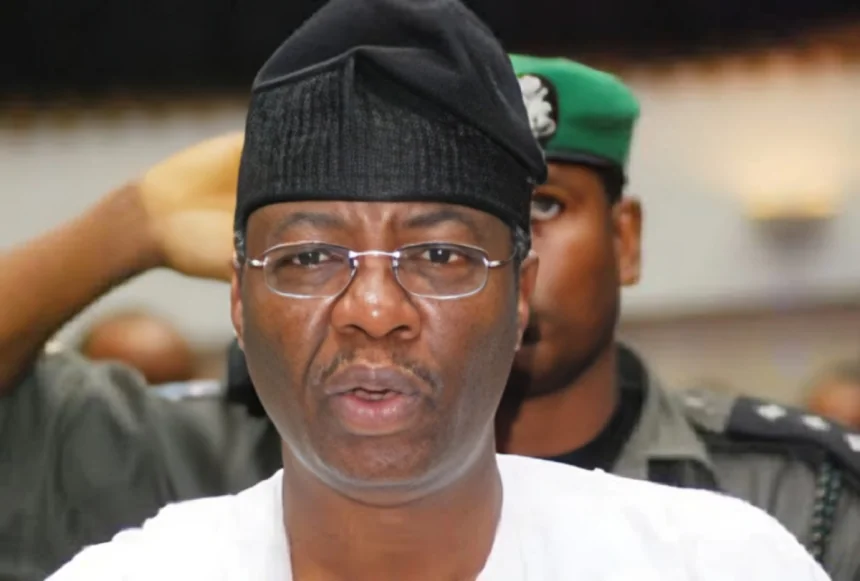
Today, more than a decade later, many of the industrial estates, trade zones, and energy infrastructures initiated under Gbenga Daniel’s administration continue to define Ogun’s economic identity.
From an agrarian state to a diversified industrial hub, Daniel’s stewardship stands as a model in subnational governance — one where branding, leadership, and human development combined to create lasting prosperity.
Indeed, as the WikiLeaks cable aptly captured, the secret of Ogun’s success lay not just in its land and labour, but in Daniel’s leadership — visionary, inclusive, and undeniably transformative. Read More