


A cross-section of Muslim leaders and organisations across Nigeria have expressed dissatisfaction with the decision of the Independent National Electoral Commission (INEC) to schedule the 2027 general elections for February 20 and March 6, dates expected to fall within the holy month of Ramadan.
Ramadan, a sacred period in Islam marked by fasting from dawn to sunset, is projected to begin in early February and end in March 2027.
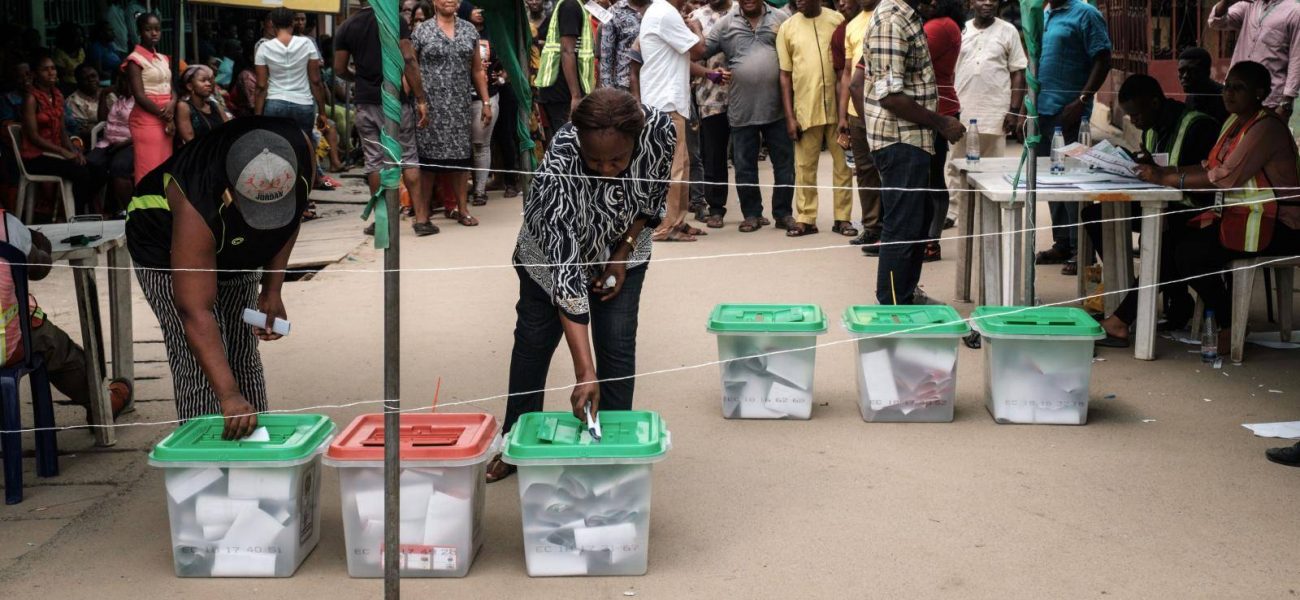
Stakeholders who spoke on the development warned that conducting nationwide elections during Ramadan could create challenges for millions of Muslim voters, ad hoc staff and security personnel who would be observing the fast.
They argued that the physical demands of fasting, combined with long hours under the sun at polling units, could discourage voter turnout and participation in election duties.
‘Decision Is Insensitive’ — Ansar-Ud-Deen
National Missioner of the Ansar-Ud-Deen Society of Nigeria, Sheikh AbdurRahman Ahmad, described the election dates as insensitive to the Muslim Ummah.
He urged INEC to shift the polls outside Ramadan, noting that election timetables have been adjusted in the past due to security and logistical concerns.
“Elections are national exercises that should encourage the broadest participation. Fixing the polls during Ramadan may disenfranchise or discourage the active engagement of many Muslims,” he said.
Call for Wider Consultation
Similarly, the National Amir (President) of The Companion, Imam Nojeem Jimoh, appealed to INEC to reconsider the dates in the interest of inclusivity and national cohesion.
He recalled that adjustments were made during the administration of former President Goodluck Jonathan, arguing that reviewing the timetable would not be unprecedented.
Jimoh also called for broader consultations with religious and community leaders before finalising election schedules, stressing that greater sensitivity to religious obligations would strengthen public confidence in the electoral process.
“We are major stakeholders in mobilising Muslims for civic duties. We should be consulted before decisions affecting millions are taken,” he said.
The development adds a new dimension to debates surrounding the 2027 election timetable, as stakeholders weigh religious considerations against constitutional and administrative timelines.