



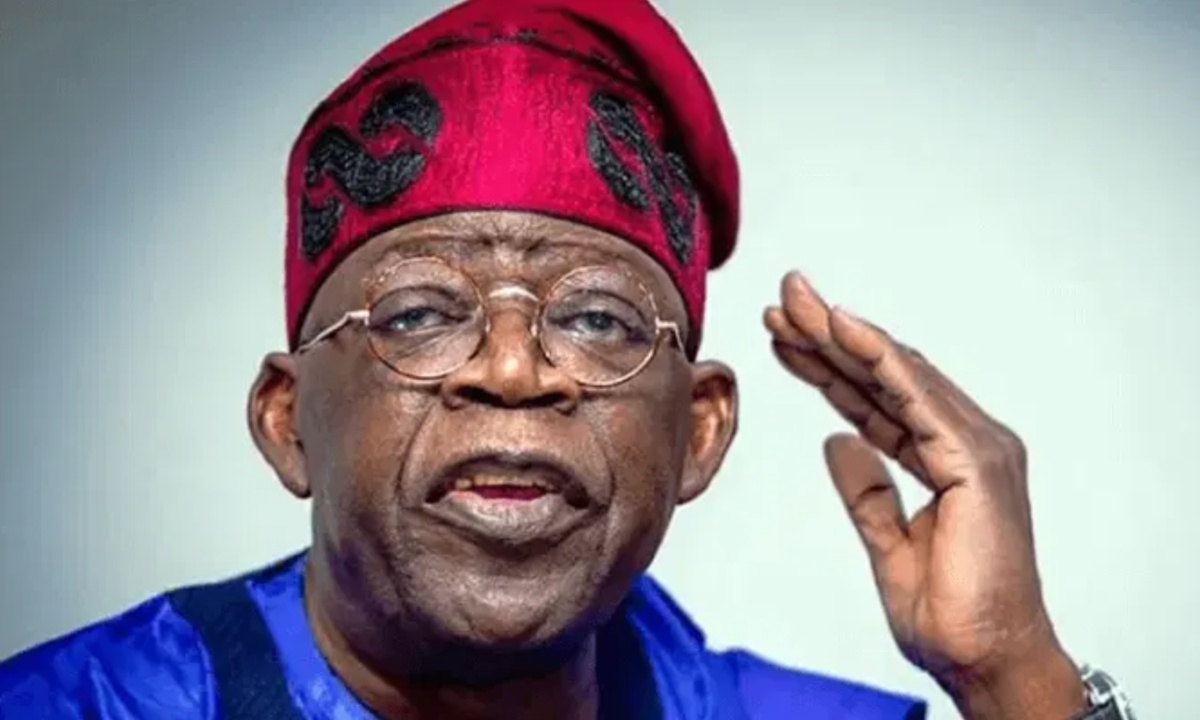
As Nigerians commemorate Democracy Day, political analysts have expressed sharply contrasting views on the state of insecurity under President Bola Tinubu’s administration, highlighting a growing debate over one of the country’s most pressing challenges.
The security situation has remained a dominant issue in national discourse, with concerns mounting over its implications for governance and the political landscape ahead of the 2027 general elections.
Speaking in an exclusive interview with DAILY POST, political analyst Kabiru Ojo argued that insecurity has deteriorated significantly over the past three years, spreading beyond its traditional strongholds to affect nearly every region of the country.
According to Ojo, criminal activities such as kidnapping and banditry, once largely associated with parts of the North-West and North-East, have expanded into new areas, including the Federal Capital Territory (FCT).
“The security situation has gone from bad to worse. It is worsening by the day,” he said.
Ojo cited recent cases of abductions involving students and residents in Abuja, Kogi and Kwara states as evidence of the growing threat. He also expressed concern over the impact on rural communities, where many residents have reportedly fled their homes due to persistent attacks.
He further criticised the Federal Government’s approach to tackling insecurity, arguing that the appointment of former Zamfara State Governor Bello Matawalle as Minister of State for Defence raised questions about the administration’s commitment to addressing the crisis.
According to him, Matawalle’s tenure in Zamfara was marked by severe security challenges, making his appointment controversial in the eyes of many Nigerians.
Ojo maintained that the government has not demonstrated enough urgency in confronting insecurity and accused political leaders of prioritising political calculations over meaningful security reforms.
“If the same energy being used for politics is channelled toward tackling insecurity, Nigeria would be much safer,” he stated.
Assessing the administration’s performance, Ojo gave the government a score of two out of ten on security, describing its efforts as largely ineffective.
He also warned that insecurity has evolved into a more organised and lucrative criminal enterprise, making it increasingly difficult to eradicate. While he acknowledged that some progress could still be made before the end of Tinubu’s tenure, he expressed doubts that the country would witness a significant turnaround in the near future.
However, activist and political commentator Muhammad B. Keshinro offered a more optimistic assessment of the administration’s security efforts.
In a separate interview with DAILY POST, Keshinro acknowledged that insecurity remains a major challenge but argued that the government has recorded notable gains, particularly in the speed of rescue operations following major kidnapping incidents.
“After three years in office, insecurity has been considerably contained, though not completely eliminated,” he said.
Keshinro pointed to the rescue of 137 schoolchildren abducted in Kuriga, Kaduna State, in March 2024 as a key example. He noted that security agencies, acting on President Tinubu’s directive, secured the release of the victims within weeks.
He also highlighted the rescue of Almajiri pupils in Sokoto State, worshippers abducted in Kwara State and schoolgirls kidnapped in Kebbi State as evidence of improved operational responses by security agencies.
According to him, the military has also achieved successes in broader counterinsurgency operations, including the rescue of hundreds of persons held captive by terrorist groups in the North-East.
Drawing comparisons with the administration of former President Muhammadu Buhari, Keshinro said both governments recorded achievements in the fight against insecurity, but argued that rescue operations under Tinubu have generally been carried out more swiftly.
“Security challenges remain and kidnappings have not disappeared, but several major abductions have been followed by relatively rapid rescue operations,” he said.
Despite his positive assessment, Keshinro stressed that insecurity continues to pose a serious threat to national stability and requires sustained attention from government and security agencies.
The differing perspectives underscore the ongoing debate over the effectiveness of the Tinubu administration’s security strategy as Nigerians mark another Democracy Day and reflect on the nation’s democratic journey.