

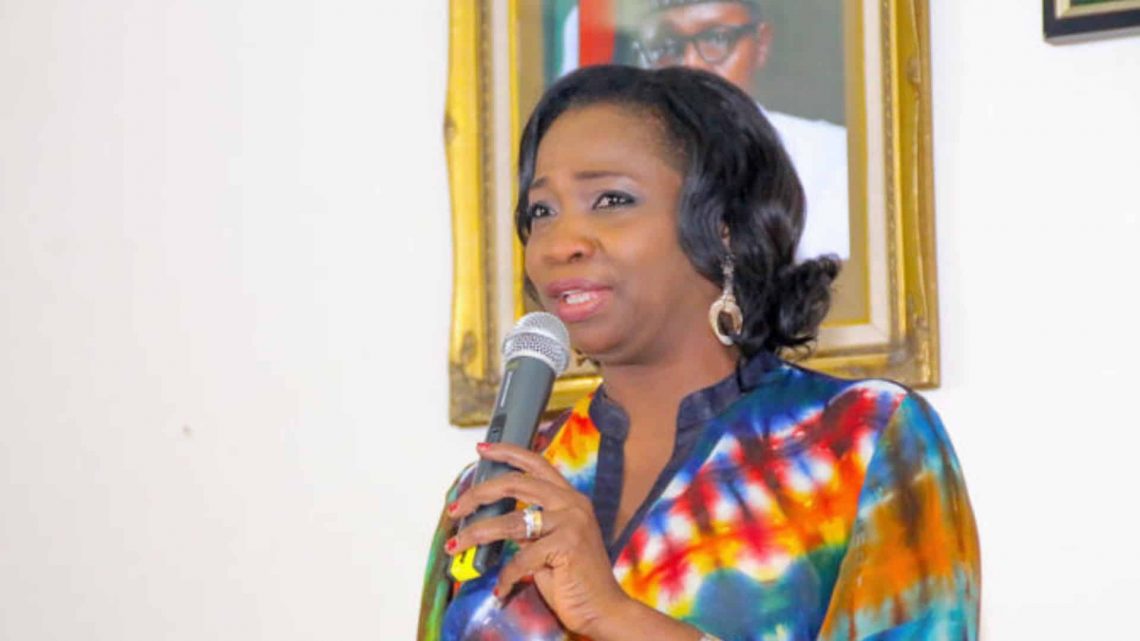


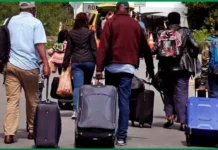
The Chairperson of the Nigerians in Diaspora Commission (NiDCOM), Abike Dabiri-Erewa, has strongly criticised the treatment of Nigerians in South Africa, describing the experiences of recently evacuated citizens as painful, disappointing, and unacceptable.
Speaking during a programme on Thursday after the arrival of the first batch of 258 Nigerians evacuated from South Africa, Dabiri-Erewa said the returnees had committed no offences and were unfairly targeted because of their identity.
According to her, the evacuees were victims of discrimination and prejudice rather than criminal wrongdoing.
“Those 258 that came in, none of them committed any crime. The only crime they committed was the colour of their skin; they are black migrants in South Africa,” she said.
Dabiri-Erewa stressed that criminal acts should be addressed on an individual basis rather than being used to stigmatise entire communities.
“If one person commits a crime, get that person and deal with that person. You cannot generalise, and their government is looking the other way, and that is the sad part,” she added.
The NiDCOM boss noted that diplomatic engagements between Nigeria and South Africa remain ongoing, with discussions being handled through official channels.
She said the Federal Government would determine the next course of action regarding bilateral relations, with further directives expected from the Minister of Foreign Affairs and the Presidency.
“Enough is enough; enough really has to be enough. Whatever will be done, we will hear from the higher authorities,” she stated.
Dabiri-Erewa also revealed that more Nigerians are expected to return from South Africa in the coming days as evacuation efforts continue.
“Our diplomatic engagement is still going on. Diplomacy is always about having a conversation,” she said.
“The Minister of Foreign Affairs is still engaging his counterparts, and I’m sure the two presidents will continue discussions on this matter. We are glad this first batch is home, and we are expecting between three and five additional batches.”
The first group of evacuees arrived at Murtala Muhammed International Airport in Lagos on Wednesday.
Several returnees recounted experiences of discrimination, segregation, and degrading treatment during their stay in South Africa. One evacuee alleged that migrants were treated “like slaves,” claiming that migrant families were isolated and their children separated from others.
The latest development has reignited concerns over xenophobia in South Africa, where foreign nationals from countries such as Nigeria, Ghana, Zimbabwe and Mozambique have repeatedly faced anti-immigrant hostility.
South Africa has experienced multiple outbreaks of xenophobic violence since 2008, often fuelled by allegations that foreign nationals contribute to crime, unemployment, and pressure on public services. The attacks have led to deaths, injuries, displacement, and the destruction of businesses owned by migrants.
Nigeria has consistently condemned such incidents and continues to engage South African authorities through diplomatic channels while calling for stronger protections for African migrants living in the country.