

President Tinubu recalls driving a taxi in the US to fund his university education as he highlights ₦372bn in student loans and other education reforms
Tinubu Recalls US Taxi Job, Highlights ₦372bn Student Loans
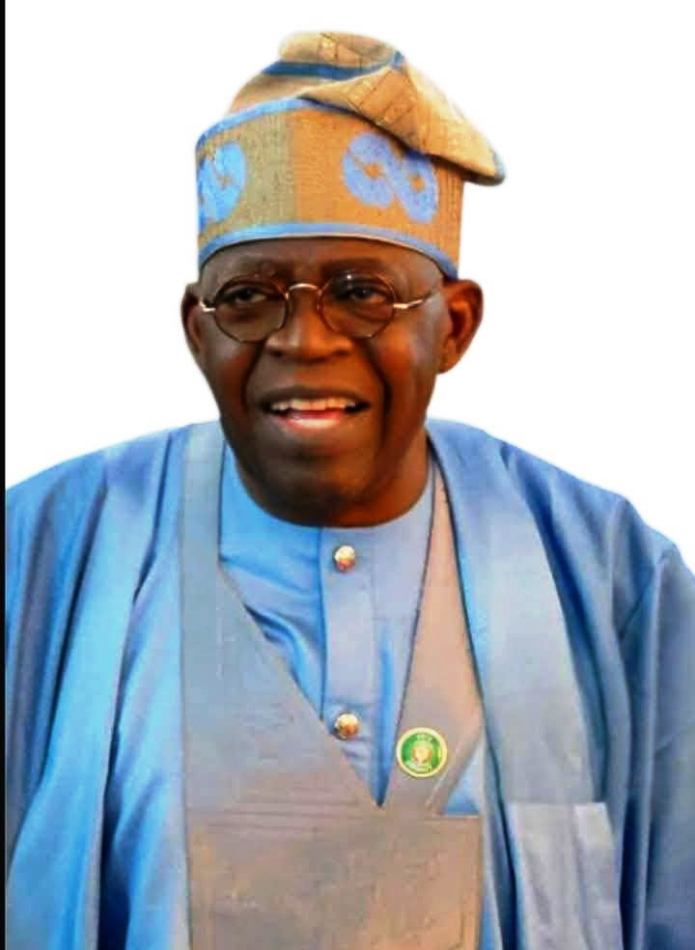
President Bola Tinubu has recalled how he worked as a taxi driver in the United States and postponed starting university for several months because of financial difficulties, saying the experience strengthened his resolve to ensure poverty does not prevent Nigerian children from accessing quality education.
Tinubu shared the experience in a post on his verified X handle, @officialABAT, on Wednesday, November 4, 2026, where he linked his personal struggles as a student to his administration’s education reforms, particularly programmes aimed at supporting children from disadvantaged backgrounds.
The President said he understood the financial pressures students face, including paying tuition fees, securing accommodation and meeting daily expenses, adding that a child’s future should not be determined by the financial circumstances of their parents.
“When I first arrived in the United States as a young man, I drove a taxi to earn money for my education. I even had to postpone starting school for several months to save enough.
“When I eventually got to Chicago, I worked different jobs to support myself and pay my way through university. I know what it means to worry about tuition, accommodation and how to make ends meet while pursuing an education.
“Those experiences have stayed with me”, he said.
Tinubu said his experience reinforced his belief that education remains one of the most effective ways to transform lives and expand opportunities.
“I know what education made possible in my own life, and I believe every Nigerian child deserves that same opportunity, regardless of where they are born or what their parents can afford”, he declared.
Highlighting the Federal Government’s interventions, the President said more than ₦372bn had been provided through the Nigerian Education Loan Fund to support students with institutional fees and upkeep allowances.
He said the loan scheme was intended to prevent financial difficulties from forcing young Nigerians to abandon their studies.
Tinubu also disclosed that the Federal Government’s Technical and Vocational Education and Training programme had received more than 2.8 million applications, while 38 technical colleges had been rehabilitated.
According to him, students in federal and selected state technical colleges now benefit from free tuition, boarding, textbooks and uniforms as part of efforts to expand skills acquisition and improve employability.
On university education, the President said his administration had reached a new agreement with the Academic Staff Union of Universities, providing for a 40 per cent increase in lecturers’ remuneration and measures to promote stability in the university system.
He said prolonged disruptions to academic activities should become a thing of the past, declaring, “A four-year course must take four years. Our young people deserve to complete their education on time and get on with their lives. Promise made, Promise Kept”.
Tinubu also announced that the Federal Government was investing ₦110bn in the rehabilitation of 24 medical schools and the expansion of the country’s capacity to train healthcare professionals.
He said annual nursing enrolment had increased from 28,000 to 115,000, while enrolment in medical and dental programmes had risen from 5,000 to 12,000.
“Nigeria needs more doctors, nurses and other healthcare professionals, and we must build the capacity to train them here at home”, he stated.
The President further said more than one million children who were previously out of school had been returned to classrooms, alongside renewed investments in teacher development and expanded educational opportunities for girls.
He added that the government was implementing a revised national curriculum that had restored Nigerian History to classrooms, arguing that children needed to understand the country’s past and their responsibilities towards its future.
“Our children must know where we have come from, understand the country they belong to, and be prepared to take responsibility for its future”, he said.
Tinubu commended the Minister of Education, Dr Tunji Alausa, the Minister of State for Education, Professor Suwaiba Sa’id Ahmad, and other officials of the ministry for their roles in advancing the administration’s education reforms.
He also welcomed the development of an interactive A–Z platform for the Nigeria Education Sector Renewal Initiative, which provides information on government programmes, reforms, achievements and available opportunities.
The President urged parents, students and teachers to visit edu4pbat.ng to obtain information about the initiatives and identify programmes relevant to their needs.
He also called on Nigerians to report shortcomings in the implementation of education policies, saying public feedback would help the government identify gaps and address problems.
“If something is not working as it should in your community, I want to hear about it. Your feedback will help us identify problems and address them”, he said.
Tinubu said the country’s transition from economic reforms to shared prosperity must be anchored in investment in human capital, particularly through wider access to education.
“Our journey from reform to opportunities and shared prosperity must begin with education.
“The circumstances of a child’s birth should never determine the limits of their ambition. Our responsibility is to give every Nigerian child a fair chance to fulfil their potential.
“We have more work to do, and I am determined to see it through”, Tinubu declared.