Tony Elumelu Hails Afreximbank as a Beacon of Africapitalism, Urges African-Led Development
Renowned entrepreneur and philanthropist, Tony Elumelu, has hailed the African Export-Import Bank (Afreximbank) as a powerful symbol of Africapitalism and proof that African institutions can deliver transformational change when driven by purpose and collaboration.
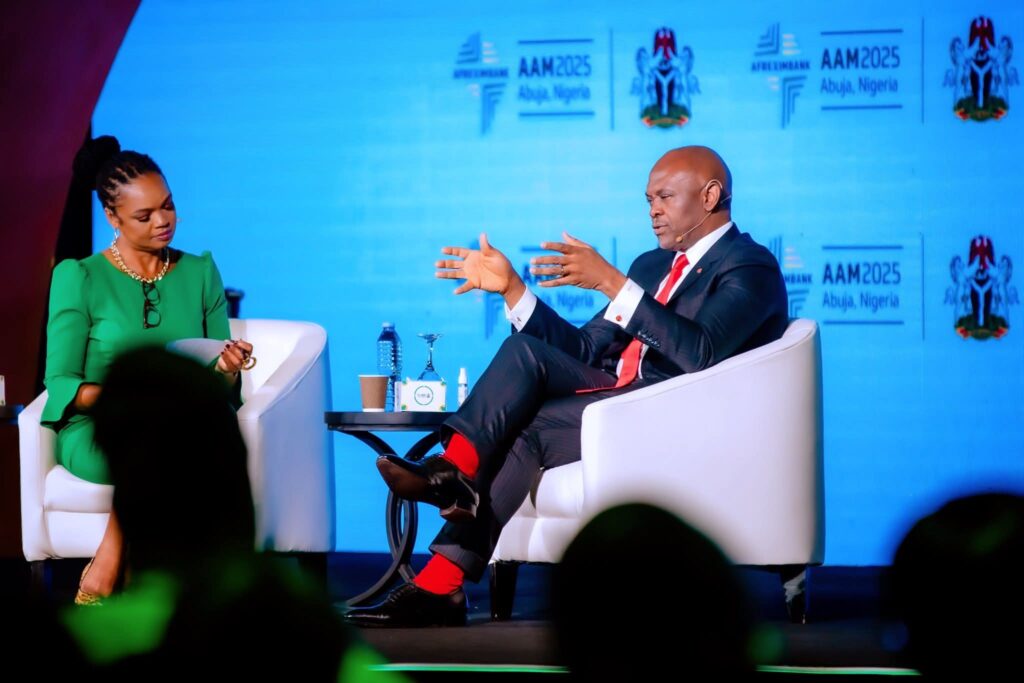
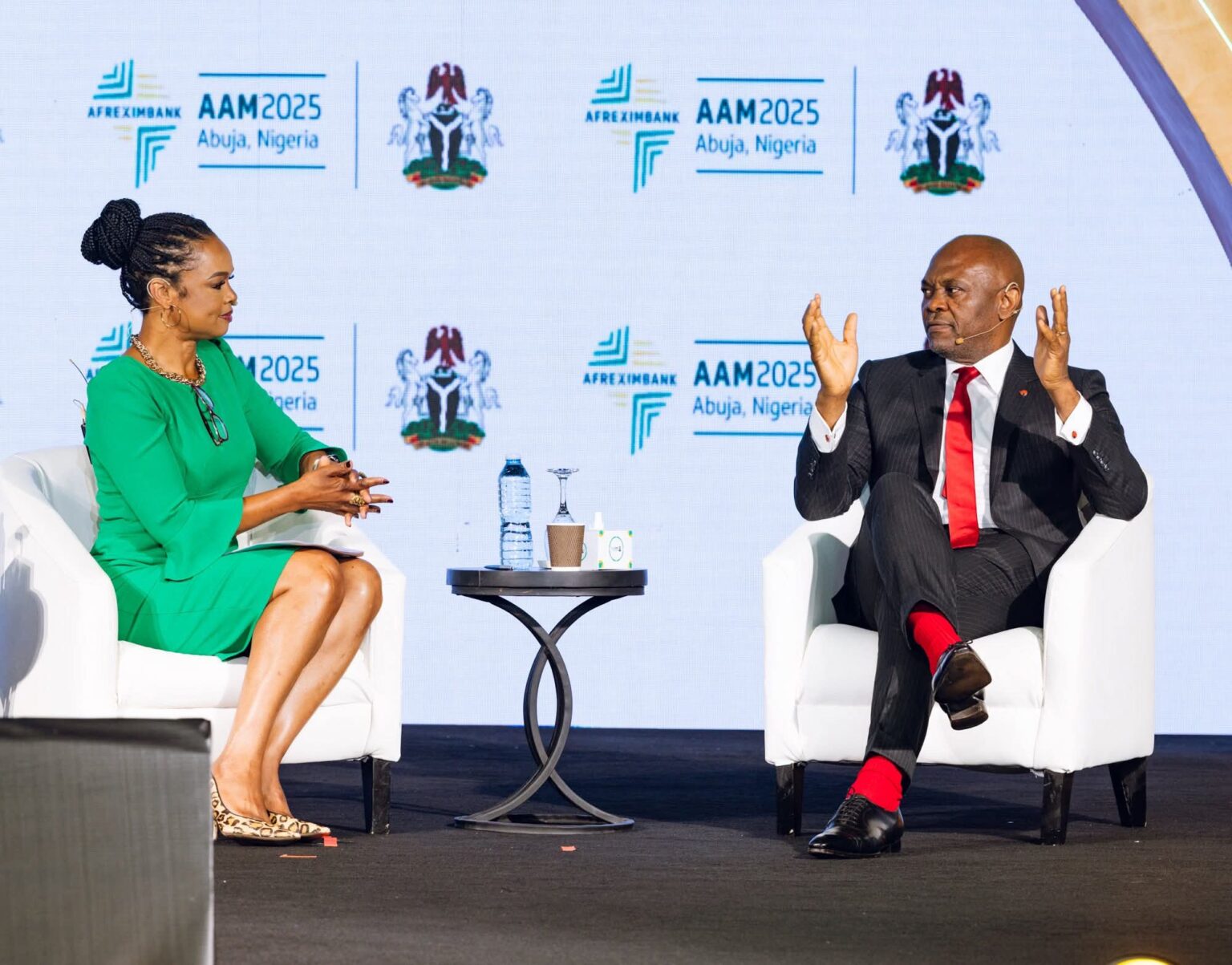
Speaking during the 32nd anniversary celebration of Afreximbank, held at the 5,000-capacity Transcorp Event Centre in Abuja, Elumelu, Chairman of Heirs Holdings, emphasized the bank’s legacy in shaping Africa’s trade, financing, and development trajectory.
Africapitalism, a philosophy championed by Elumelu, positions the private sector—and particularly African entrepreneurs—as key drivers of the continent’s social and economic transformation.
“The success and legacy of Afreximbank demonstrate the power of Africapitalism in transforming the African continent,” Elumelu said, describing the anniversary as a milestone in African excellence and self-reliance.
The event also honored the impact of Afreximbank’s outgoing President, Professor Benedict Oramah.
“I was there to support Afrexim – and salute the impact and legacy of retiring President Professor Benedict Oramah,” Elumelu stated.
During a fireside chat titled “Decades of Delivering on a Shared Aspiration: The Transformational Collaboration between Afreximbank and African Multinational Corporations and Banks,” Elumelu shared insights on how partnerships between financial institutions and responsible African businesses have led to monumental successes.
“As an investor active in 20 African countries, I have seen firsthand what happens when institutions like Afreximbank and responsible African businesses work together. The results are powerful and transformational,” he said.
One notable example, he said, was the $2.5 billion acquisition of strategic oil assets from Shell, which led to the creation of Heirs Energies, Africa’s largest integrated energy platform.
“With their backing, our acquisition in the energy sector, through Heirs Energies, did not just empower us as investors, it empowered Nigeria’s oil industry, creating jobs, and strengthening national capacity.”
Elumelu described the landmark deal as “Africapitalism in action”, demonstrating how African capital and institutions can jointly power the continent’s industrialisation and economic advancement.
He also stressed the urgent need to fix fundamental infrastructure, especially in the power sector, arguing that electricity remains the bedrock for broader development.
“We cannot develop Africa without reliable electricity. Power is the foundation of everything,” he said.
“While the world is racing toward AI and the Fourth Industrial Revolution, we are held back by the basics – electricity, broadband access, and digital infrastructure. We must fix these foundational issues if we are serious about development.”
Elumelu highlighted the importance of capital, trust, and responsibility, stating that entrepreneurs must uphold integrity and accountability when supported by financial institutions.
“When financial institutions take a chance on you, you must honour your obligations, repay your loans, and deliver on your promise, not just to your shareholders, but to your community.”
He advocated for the empowerment of development banks like Afreximbank to increase their support for African entrepreneurs, while also calling on those entrepreneurs to operate with discipline, excellence, and integrity.
Citing the work of the Tony Elumelu Foundation, he revealed that over 24,000 young African entrepreneurs across all 54 countries have been empowered, leading to the creation of over 400,000 jobs.
“Why do we do this? Because we believe that poverty anywhere is a threat to all of us everywhere.”
Elumelu also emphasized the need to intentionally include Africa’s youth and women in economic development.
“We must not climb and take the ladder away. We must deliberately and consistently create access and open doors, so that the next generation can thrive.”
In his closing remarks, Elumelu praised Professor Oramah for his transformative leadership at Afreximbank.
“None of this would be possible without visionary African leadership,” he said.
“He has shown that African-led institutions can deliver global impact, and his legacy will continue to inspire.”
He concluded by affirming that the story of Afreximbank reflects what is possible when African vision, capital, and collaboration come together with shared purpose and long-term commitment. Read More