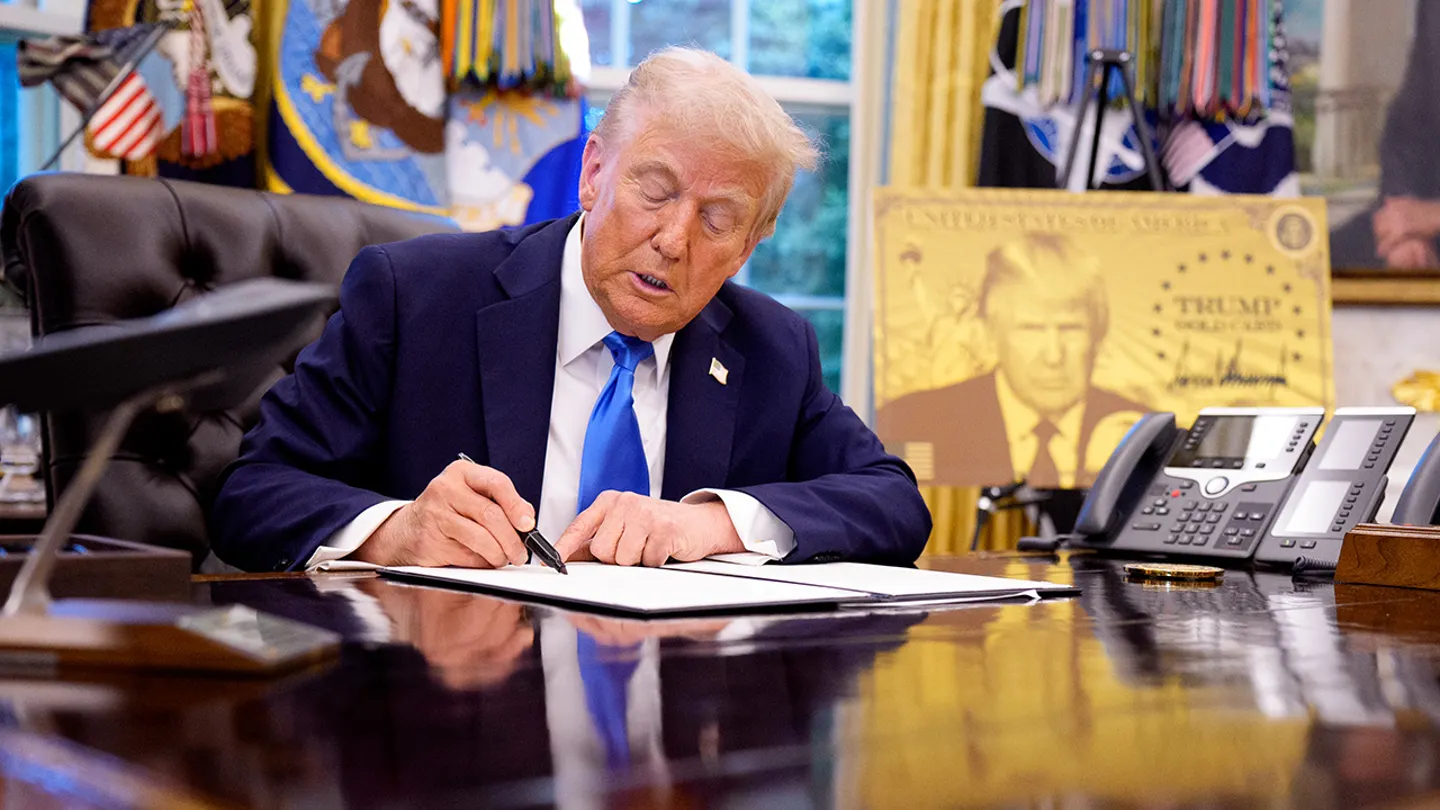
The Trump administration has announced sweeping U.S. immigration reforms, including changes to H-1B visas, expanded facial recognition, social media screening, a $1m Gold Card residency plan, and a tougher citizenship test
Trump Tightens US Immigration Rules: H-1B Visa Shake-Up, Facial Recognition, $1m Gold Card Unveiled
The Trump administration has unveiled a sweeping set of immigration reforms that could significantly reshape how foreign workers, visitors and prospective citizens enter and remain in the United States, touching everything from H-1B visas and border surveillance to a newly introduced $1 million “Trump Gold Card.”
H-1B Visa Rules Tightened
In September, the administration proposed changes to how H-1B visas are awarded, a programme that has become a cornerstone of the U.S. tech industry by enabling companies to hire highly skilled foreign professionals, including software engineers and data scientists.
Issued by the Department of Homeland Security (DHS), the proposal seeks to move away from the existing lottery-based selection process and instead prioritise higher-paying and more specialised roles.
The rule change, formally published in the Federal Register, followed President Donald Trump’s proclamation introducing a $100,000 application fee for H-1B petitions.
According to DHS, the reforms—scheduled to take effect in February—are intended to “better protect the wages, working conditions, and job opportunities for American workers.”
U.S. Citizenship and Immigration Services spokesman Matthew Tragesser said the previous system had been abused.
“The existing random selection process of H-1B registrations was exploited and abused by U.S. employers who were primarily seeking to import foreign workers at lower wages than they would pay American workers,” he said.
Facial Recognition Expanded at US Borders
As part of broader border security measures, DHS on December 26, 2025, implemented a new rule expanding facial recognition technology for non-citizens entering and exiting the United States.
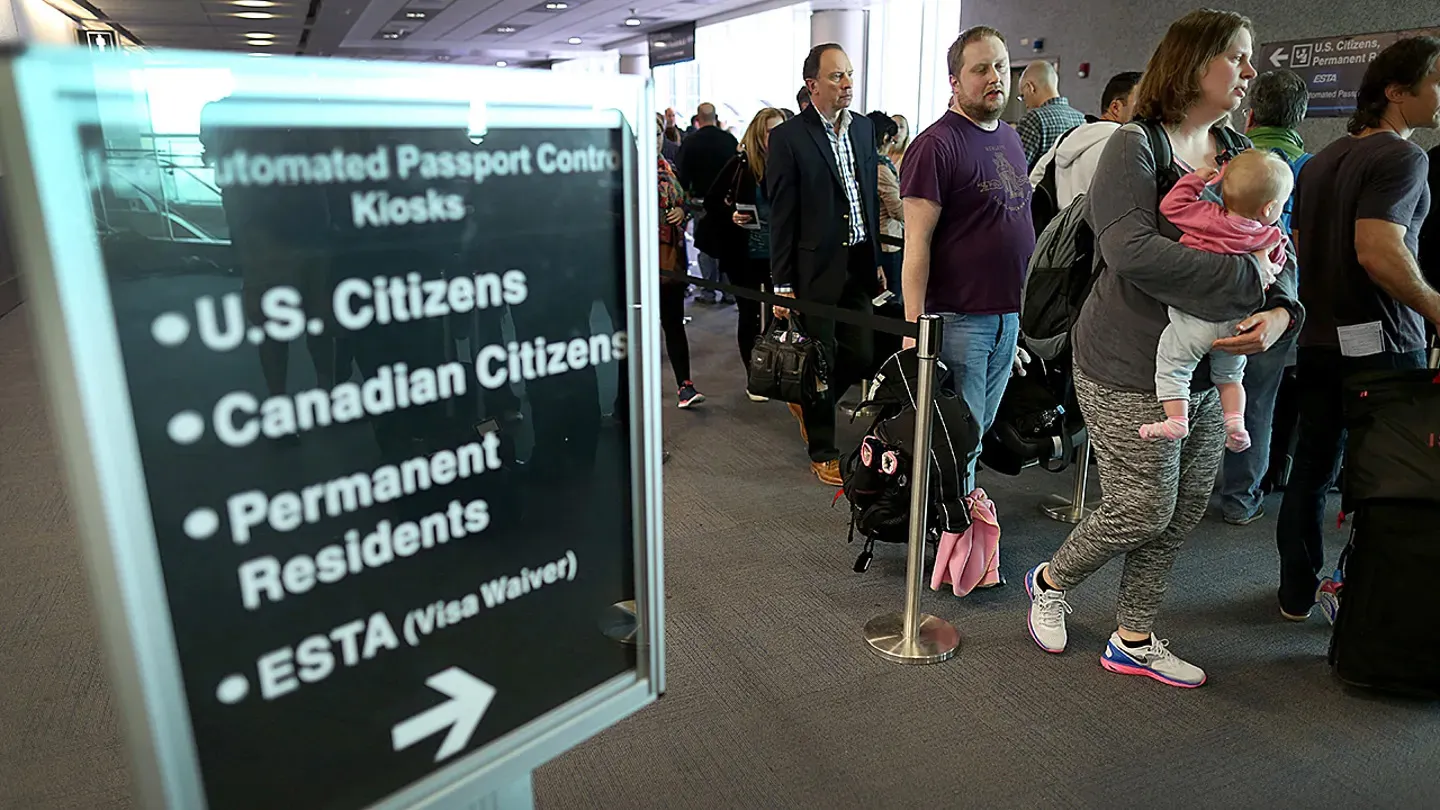
According to DHS, the rule authorises U.S. Customs and Border Protection (CBP) to collect facial biometrics from all non-U.S. citizens at airports, land borders, seaports and other approved departure points.
The regulation applies to green card holders and other legally resident non-citizens.
“Although U.S. citizens are not covered by this rule, they may continue to voluntarily participate in the facial biometrics process at entry and exit,” DHS said.
Social Media Screening for Travellers
The administration is also moving toward mandatory scrutiny of social media histories for certain foreign travellers.
In a notice published in the Federal Register in December, CBP announced that social media disclosure would become compulsory for applicants under the Electronic System for Travel Authorization (ESTA).
“In order to comply with the January 2025 Executive Order 14161 (Protecting the United States From Foreign Terrorists and Other National Security and Public Safety Threats), CBP is adding social media as a mandatory data element for an ESTA application,” the notice stated.
Applicants will be required to submit their social media activity from the past five years.
DHS describes ESTA as an automated system used to determine whether travellers under the Visa Waiver Program pose any security or law-enforcement risk.
Trump Launches $1m ‘Gold Card’ for Residency
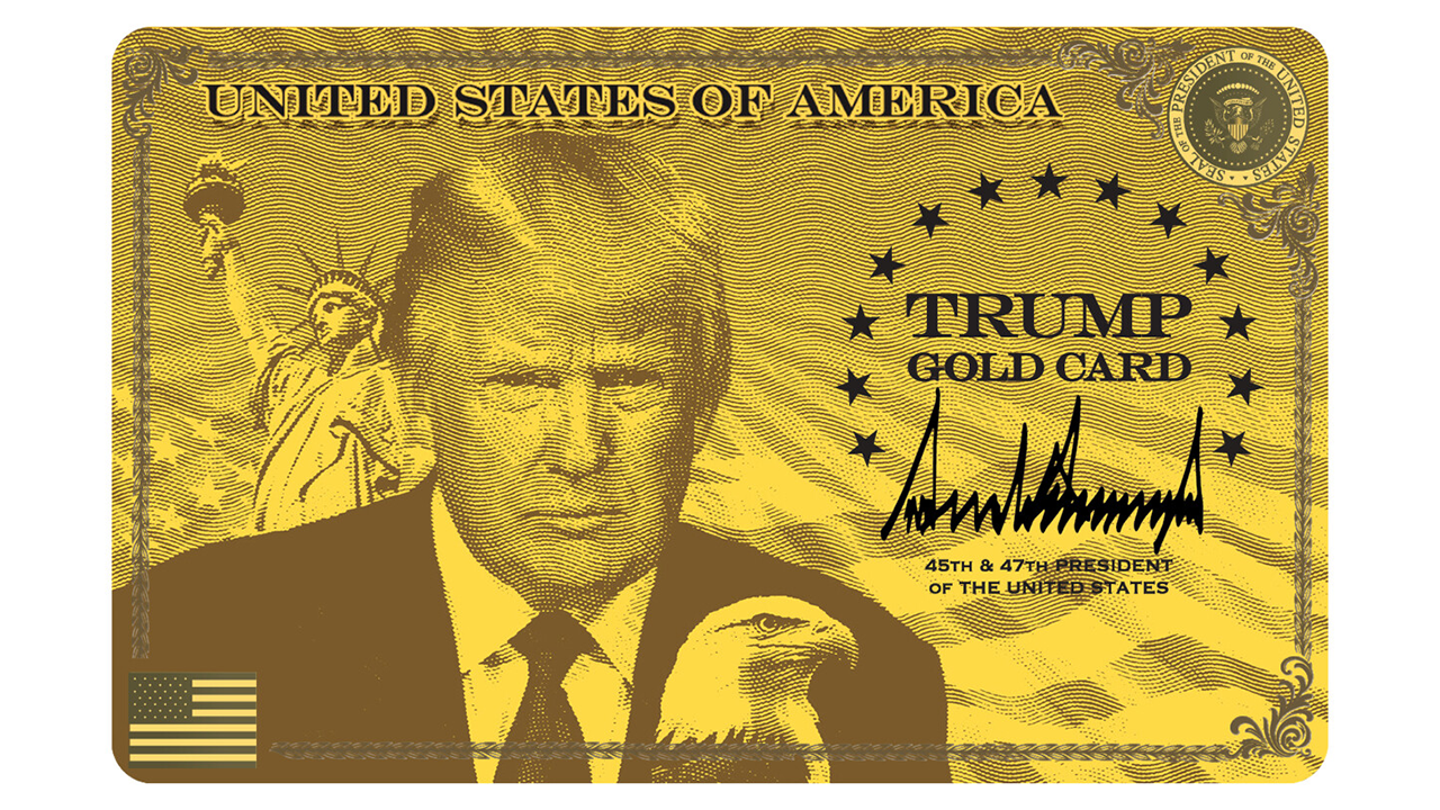
In December, President Trump announced the launch of the much-publicised “Trump Gold Card,” a premium immigration pathway designed to provide a streamlined route to U.S. residency and eventual citizenship.
Priced from $1 million, the gold-themed card features the president’s portrait, the Statue of Liberty, and the American flag.
“We anticipate THE TRUMP GOLD CARD will generate well over $100 Billion Dollars very quickly,” Trump wrote on Truth Social.
“This money will be used for reducing Taxes, Pro Growth Projects, and paying down our Debt.”
Applications are processed through trumpcard.gov, where candidates submit documentation and pay a non-refundable processing fee, triggering an accelerated review by USCIS.
Successful applicants receive lawful permanent resident status under EB-1 or EB-2 visa categories, granting nationwide residency rights across all 50 states.
New, Tougher US Citizenship Test Introduced
In another major shift, the administration has rolled out a revamped U.S. citizenship test, significantly raising the bar for naturalisation.
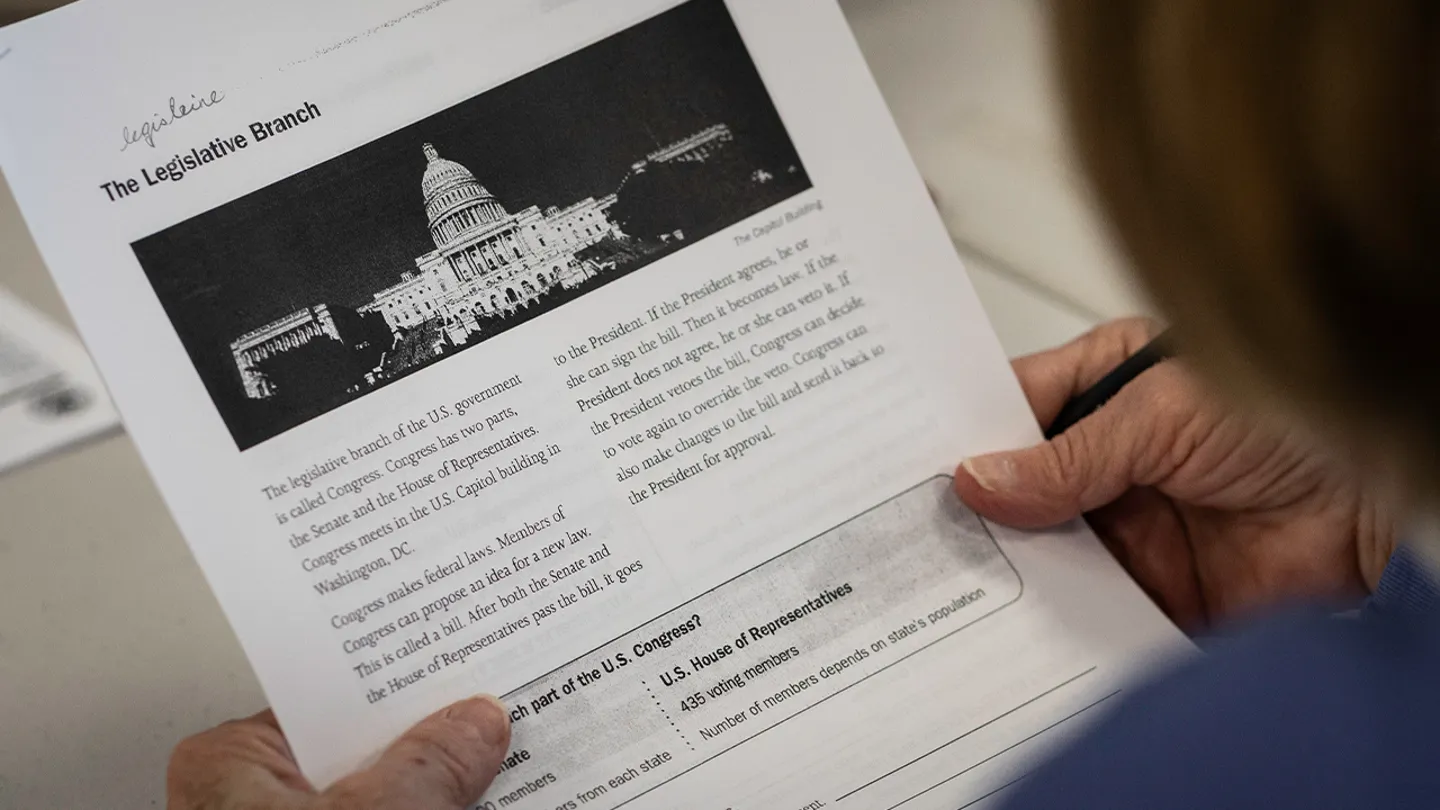
Under the 2025 naturalization civics test, applicants must answer 20 oral questions selected from a pool of 128, double the previous number.
“You must answer 12 questions correctly [60%] to pass the 2025 test. You will fail the test if you answer 9 of the 20 questions incorrectly,” USCIS explained.
The revised test removes geographical questions and now requires applicants to correctly name all three branches of government, rather than just one.
Defending the changes, USCIS spokesman Matthew Tragesser said:
“American citizenship is the most sacred citizenship in the world and should only be reserved for aliens who will fully embrace our values and principles as a nation.
By ensuring only those aliens who meet all eligibility requirements… are able to naturalize, the American people can be assured that those joining us as fellow citizens are fully assimilated and will contribute to America’s greatness.” Read More
📌 Source: Fox News